The idea of patent pools such as the COVID-19 Technology Access Pool (C-TAP) created by the World Health Organization a few months ago has drawn a lot of support from low- and middle-income countries and a handful of wealthier ones, but not so much from industry.
As of Aug. 13, more than 90,000 patients hospitalized in the U.S. with COVID-19 already had been given access to convalescent plasma through a national expanded use protocol (EAP) sponsored by the Mayo Clinic. The FDA’s decision Sunday to grant emergency use authorization (EUA) for the potential therapy will further expand access to convalescent plasma for hospitalized patients throughout the country at a time when fully approved COVID-19 treatments are nonexistent and even EUAs are few and far between.
Regulatory snapshots, including global drug submissions and approvals, clinical trial approvals and other regulatory decisions and designations: Amneal, Capricor, EMD Serono, Gyroscope, Imara, Knight, Metacrine, Regenxbio, Sarepta, Therapeuticsmd.
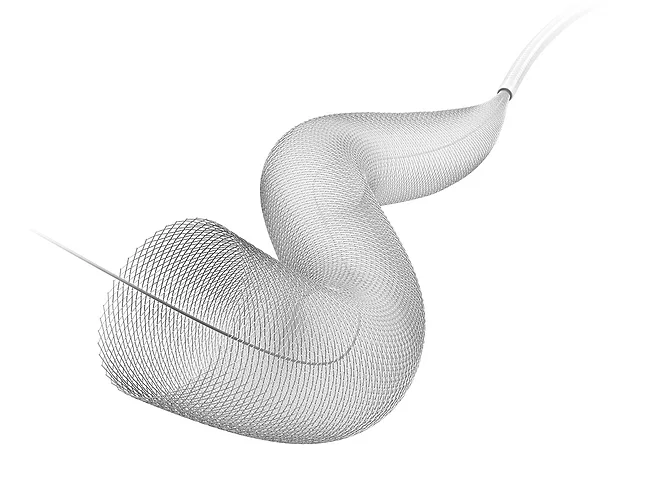
Stryker Corp. has launched its Surpass Evolve flow diverter following an earlier U.S. FDA approval. According to the company, it is the first 64-wire cobalt chromium flow diverter in the U.S. designed to redirect blood flow and promote aneurysm healing. Ajay Wakhloo, the first physician to complete a commercial case in the U.S., noted that the offering builds on Stryker’s Surpass Streamline. “By increasing the braid angle, the novel 64-wire device delivers excellent flow diversion and a highly flexible implant for enhanced vessel wall contact. The higher mesh density of Surpass Evolve vs. traditional 48-wire flow diverters may lead to faster aneurysm occlusion for patients," Wakhloo said.
The U.S. Administrative Procedures Act (APA) has proven controversial for device makers in that the associated requirements for rulemaking have been the subject of regulatory end-runs, by some accounts. The Department of Justice (DOJ) said in an Aug. 11 statement, however, that it is time to update the APA because the it has ossified in the 74 years since passage, while an attached report estimated that government regulation adds as much as $2 trillion in compliance costs to the economy every year.
Regulatory snapshots, including global submissions and approvals, clinical trial approvals and other regulatory decisions and designations: Brainsway, Guardant Health, Helixbind.
Tricida Inc. executives were not surprised when the FDA issued a complete response letter for veverimer to treat chronic metabolic acidosis. Despite an Aug. 22 PDUFA date, the company had received an FDA notification on July 16 that there were deficiencies that would preclude discussion of labeling and postmarketing requirements and commitments.

 RSS
RSS