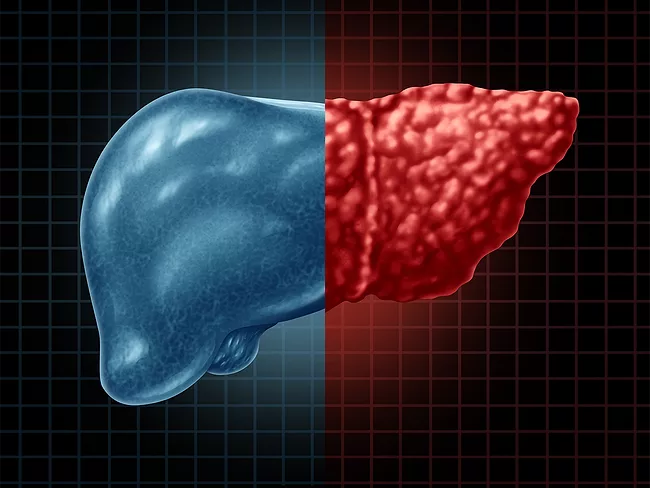
Tangram Therapeutics plc has submitted a clinical trial application (CTA) to the U.K.’s Medicines and Healthcare products Regulatory Agency (MHRA) to initiate a phase I/II trial of TGM-312 for metabolic dysfunction-associated steatohepatitis (MASH).
The U.S. FDA said postmarketing reports of neutralizing antibodies to ADAMTS13, including one reported patient death, have prompted an investigation into Takeda Pharmaceutical Ltd.’s Adzynma (apadamtase alfa), a recombinant protein product approved in 2023 for use in adults and pediatric patients with congenital thrombotic thrombocytopenic purpura.
Otsuka Pharmaceutical Co. Ltd. filed an NDA with the U.S. FDA for centanafadine (formerly EB-1020), a new nonstimulant therapy for treating attention-deficit hyperactivity disorder (ADHD) in children, adolescents and adults. Centanafadine is a norepinephrine, dopamine and serotonin reuptake inhibito formulated as a once-daily extended-release capsule.
More than six years after Novartis AG’s Zolgensma was approved for children under 2 with spinal muscular atrophy (SMA) with biallelic mutations in the survival motor neuron 1 gene, the U.S. FDA cleared a new version, under the brand name Itvisma (onasemnogene abeparvovec), for those 2 and older, including teens and adults with the same mutation.
Gemma Biotherapeutics Inc.’s GB-221, a novel gene therapy for spinal muscular atrophy type 1 (SMA1), has received clinical trial clearance from ANVISA, Brazil’s health regulatory agency.
Peptidream Inc. has submitted IND applications to the FDA to initiate phase I studies of [225Ac]PD-32766, as a potential radiotherapeutic, and [64Cu]PD-32766, as the radiodiagnostic pair, for patients with clear cell renal cell carcinoma (ccRCC).
Novo Nordisk A/S’ wild card bet that its GLP-1 receptor agonist semaglutide could be used to treat Alzheimer’s disease has not paid off, with the company reporting two phase III trials have shown no effect on slowing disease progression.
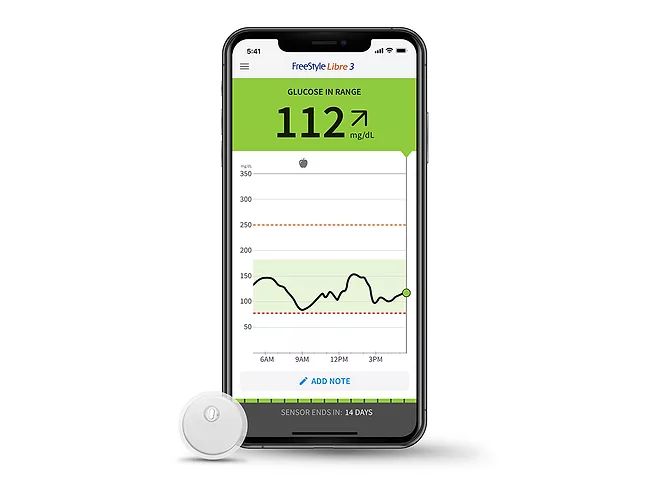
Abbott Laboratories announced a recall of Freestyle Libre 3 and Libre 3 Plus sensors used in continuous glucose monitors after receiving reports of more than 700 injuries and seven fatalities that may be associated with the sensor malfunction. The company did not describe the nature of the malfunction let alone a root cause, but said the affected product comes from only one of three production lines, and thus it expects no shortages associated with the recall.
The U.S. Centers for Medicare & Medicaid Services released the 1657-page final rule for inpatient payment for calendar year 2026, a document chock full of important policy decisions including a renewed call for elimination of the inpatient-only list.
Changes to a U.S. CDC website regarding autism and vaccines has sparked a backlash from numerous scientific and other groups, placing HHS Secretary Robert F. Kennedy Jr. (RFK) in the spotlight once again for appearing to break promises made earlier this year to secure his nomination.
 RSS
RSS