The resolution of the budget impasse between Democrats and Republicans on Capitol Hill sidestepped a number of problems, including some cuts to Medicare payment rates for clinical laboratory testing services. However, that pause is only in effect through the end of January 2026, leaving operators of these labs with a fiscal sword of Damocles to manage.
The U.K. Medicines and Healthcare products Regulatory Agency is calling for unified standards to harmonize microbiome research, after revealing major inconsistencies in the results when labs around the world analyzed identical reference samples of gut bacteria.
The U.K. Medicines and Healthcare products Regulatory Agency is calling for unified standards to harmonize microbiome research, after revealing major inconsistencies in the results when labs around the world analyzed identical reference samples of gut bacteria.
In a verbal sparring over who can deliver the lowest drug prices in the U.S., several Senate Democrats are urging President Donald Trump to immediately release the list of second-round Medicare-negotiated drug prices, instead of doing what they characterize as “ambiguous” and “opaque” pricing deals with individual biopharma companies.
The European Commission posted a series of proposed legislative updates, including the AI Act, which might not come into force for the med tech industry until August 2028 under the terms of this proposal.
Radiopharm Theranostics Ltd. has been granted Bellberry Human Research Ethics Committee (HREC) approval in Australia to initiate a first-in-human phase I trial of its KLK3-targeting radiotherapeutic, RAD-402, for the treatment of metastatic or locally advanced prostate cancer.
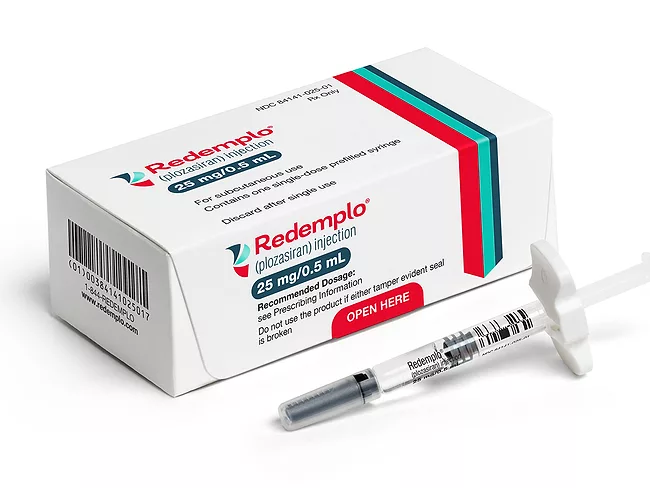
Arrowhead Pharmaceuticals Inc. won U.S. FDA approval of plozasiran in familial chylomicronemia syndrome (FCS), the second drug to gain clearance for use in the rare genetic disease following the late 2024 nod for Ionis Pharmaceuticals Inc.’s Tryngolza (olezarsen), setting up a battle in the marketplace even as the firms wage a patent dispute regarding the two RNA-based therapies.
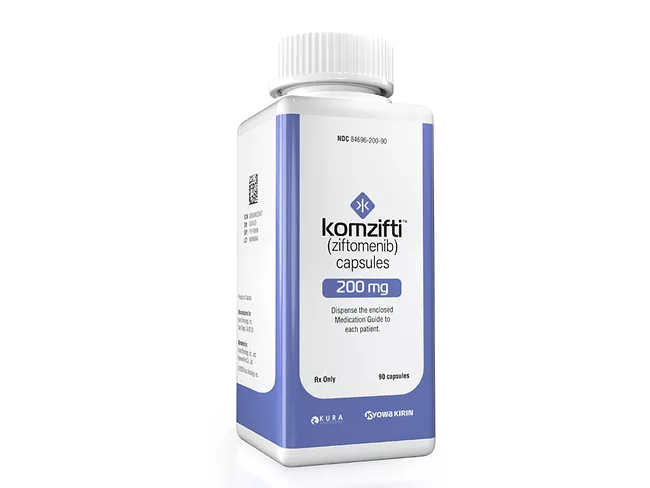
The U.S. FDA gave the thumbs up to Kura Oncology Inc./Kyowa Kirin Co. Ltd.’s selective oral menin inhibitor, ziftomenib, to treat relapsed, refractory (r/r) nucleophosmin1 (NMP1)-mutant acute myeloid leukemia (AML). The approval of the drug, branded Komzifti, came more than two weeks ahead of the Nov. 30 PDUFA date.
Shanghai Henlius Biotech Inc. and Organon & Co. announced Nov. 17 that the U.S. FDA cleared Poherdy (pertuzumab-dpzb) as the first and only interchangeable biosimilar to Perjeta (pertuzumab, Genentech Inc./Roche Holding AG).
Top-line results from a midstage study of Vanda Pharmaceuticals Inc.’s tradipitant hit its primary endpoint by preventing the nausea and vomiting that can be caused by the GLP-1 receptor agonist Wegovy (tirzepatide, Eli Lilly and Co.) in overweight and obese adults. The positive phase II study data prompted Vanda to look at a phase III study of the oral neurokinin-1 receptor antagonist next year.
 RSS
RSS