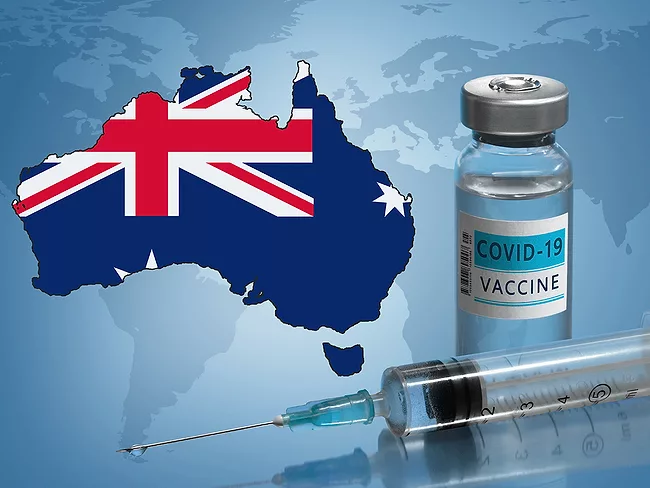
PERTH, Australia – In preparation for easing COVID-19 restrictions and opening its international borders, Australia has added a new vaccine and two new oral antiviral therapies to its arsenal to fight the omicron variant of the SARS-CoV-2 virus that is sweeping the globe. Australia’s Therapeutic Goods Administration granted provisional approval on Jan. 20 to Biocelect Pty Ltd. (on behalf of Novavax Inc.) for its COVID-19 vaccine, Nuvaxovid, as well as two oral antiviral treatments.
Regulatory snapshots, including global drug submissions and approvals, clinical trial approvals and other regulatory decisions and designations: Algernon, Bioinvent, Chemocentryx, Cytomx, Galapagos, Gamida, Kinnate, Neurophth, Numinus, Regeneron, Revance, Yumanity.
The U.K. Medicines and Health Care Products Regulatory Agency (MHRA) unveiled a proposal to overhaul its requirements for clinical trials for drugs and devices, just one of several significant regulatory proposals in recent months. One of the proposed changes would be to require more patient engagement in the design of trials, while another feature would allow sponsors to go through the MHRA process and an ethics review in a single application, thus potentially streamlining the up-front work required for these studies.
At least one biopharma company is under the magnifying glass in a U.S. Senate Finance Committee investigation into large multinational corporations that shift profits overseas to avoid U.S. taxes.
The U.S. Drug Enforcement Administration (DEA) needs to stop ignoring the 2018 Right to Try Act and stop blocking terminally ill patients’ access to psilocybin, an investigational drug that may provide relief from debilitating anxiety and depression, a bipartisan group of House members said.
With an eye on promoting innovation in complex innovative trial designs, the U.S. FDA published a series of case study examples Jan. 18 from its CID Pilot Meeting Program.
Regulatory snapshots, including global submissions and approvals, clinical trial approvals and other regulatory decisions and designations: Nevro, Sensydia, Venus Concept.
With U.S. merger filings more than doubling between 2020 and 2021, the Federal Trade Commission (FTC) and the U.S. Department of Justice’s (DoJ) Antitrust Division are seeking public input as they begin to modernize federal merger guidelines to better detect and prevent what they consider illegal, anticompetitive deals.
Regulatory snapshots, including global drug submissions and approvals, clinical trial approvals and other regulatory decisions and designations: Abbvie, Akeso, Antares, Ascletis, Astrazeneca, Biolinerx, Bionanosim, Canbridge, CASI, Celcuity, Daiichi Sankyo, Dyne, Egetis, Evaxion, Hookipa, Jacobio, Levo, Medivir, Pfizer, Polarity, Recbio, Shanghai Green Valley, Sparx, Sorrento, Vera.
South Korea’s Ministry of Food and Drug Safety (MFDS) has greenlighted Novavax Inc.’s Nuvaxovid, making it the first protein-based COVID-19 vaccine to be approved for commercial use in the country. The regulatory win for Novavax adds to emergency use authorizations (EUA) for the product, also known as NVX-CoV2373, in India, Indonesia and the Philippines, as well as an emergency use listing from the World Health Organization. On Jan. 12, the company said it expects to submit an EUA request to the FDA after one month.
 RSS
RSS