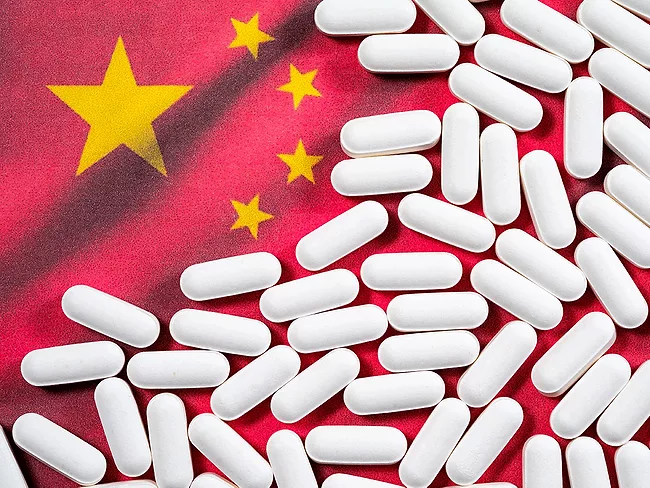
In China, 2021 saw a number of regulatory efforts aimed at encouraging companies developing novel drugs. As a result, analysts expect that impact investment and investors would allocate capital to “truly innovative oncology drugs” so 2022 could see a more supportive ecosystem for the development of rare disease treatments in China. Meanwhile, they believe that me-too and me-worse drugs, which have accounted for a large portion of China’s drug market, would have a more difficult time getting marketing approval.
PERTH, Australia – Australia attracted international attention in July when a Federal Court ruled that artificial intelligence can be named as the inventor of a patent. In Thaler v. Commissioner of Patents, Federal Court Justice Jonathan Beach ruled that under Australian patent law, inventors don’t necessarily have to be human. The decision challenges the assumption that only human beings can be inventors. Beach did rule, however, that an AI system cannot apply for a patent or receive a patent.
Regulatory snapshots, including global submissions and approvals, clinical trial approvals and other regulatory decisions and designations: Bridge to Life, Healthtrackrx, Klox, Medtronic, Roche.
Regulatory snapshots, including global drug submissions and approvals, clinical trial approvals and other regulatory decisions and designations: Astrazeneca, Biohaven, Cellular Biomedicine, Egetis, Enlivex, Genmab, Janssen, Novavax, Nurix, Nuvation, Pfizer, Therapeuticsmd, Veru.
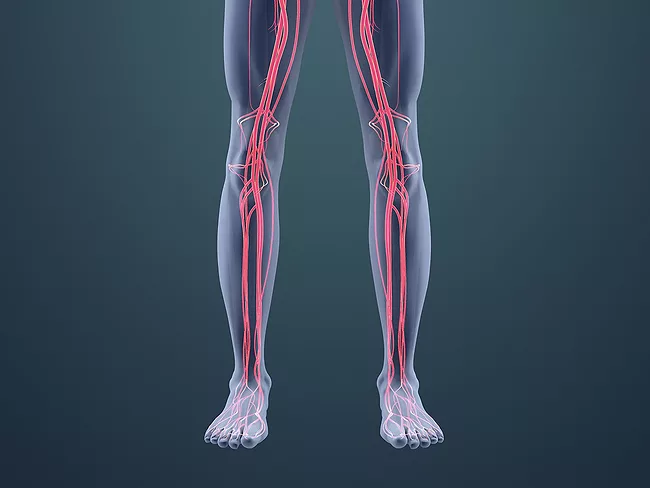
Intervene Inc. received breakthrough device designation from the FDA for its treatment for chronic venous insufficiency (CVI), Blueleaf endovenous valve formation system, which makes new venous valves in the leg using the patient’s own vein tissue. The catheter-based system splits and stretches the vein wall to create a new leaflet. In a recently published study, 14 patients underwent the procedure, of which 13 successfully had at least one new valve created. No patients experienced adverse events during the procedure and no deep venous thromboses developed through a one-year follow up period.
At long last, the FDA has released information on a potential regulatory framework for 3D device printing at the point of care (POC), just the first step in the implicit guidance development process. The document highlights several potential tripwires for device manufacturers and operators of health care facilities, but the large number of complex questions posed by the paper suggests that a final guidance is not likely to arrive any time soon.
U.S. regulators continued to be plagued in 2021 with accusations of politicization, most of which revolved around the expansion of the COVID-19 vaccine. Despite the Biden administration’s avowed commitment to follow the science in regulatory decision-making, the White House COVID-19 Response Team appeared to jump ahead of the science Aug. 18 when it announced the Sept. 20 rollout of a nationwide booster program for all adults. The program called for boosters to be administered eight months after the final dose of the vaccine. But just a few days earlier, government health officials had stressed that boosters were only needed for people who were immunocompromised.
LONDON – The confluence of Brexit and pandemic has hit regulators in Europe hard this year, with the workload of assessing COVID-19 vaccines and antivirals made all the more onerous by the loss of expertise suffered by both the EMA and the U.K. Medicines and Healthcare products Agency (MHRA) as their close relationship was severed.
Regulatory snapshots, including global submissions and approvals, clinical trial approvals and other regulatory decisions and designations: Galderma, Intervene, Urotronic.
Regulatory snapshots, including global drug submissions and approvals, clinical trial approvals and other regulatory decisions and designations: Bioinvent, CASI, Cytokinetics, Junshi.

 RSS
RSS