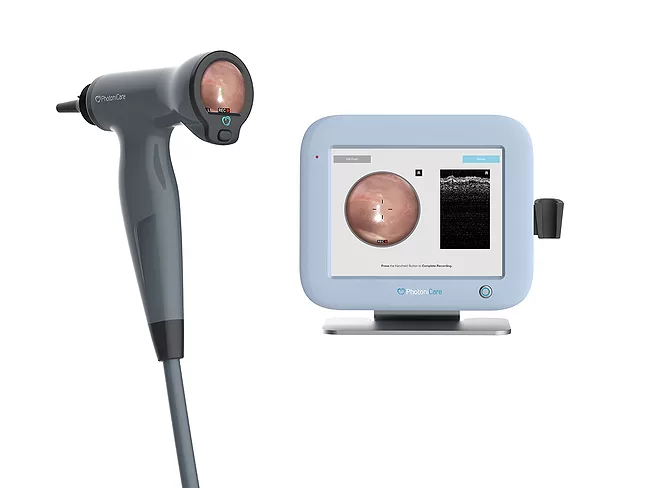
Ear infections are a common occurrence in kids, causing pain, fever and, in worst cases, hearing loss. Yet up to half of all cases are misdiagnosed, due to doctors’ inability to look deep into the middle ear where infections reside. Now, the U.S. FDA has cleared the Tomi Scope, a first-in-class technology from Photonicare Inc., of Champaign, Ill., that allows doctors to not only detect the presence or absence of fluid in the middle ear but characterize the type of fluid they see.
PERTH, Australia – Australia’s Therapeutic Goods Administration is putting in place a number of opioid reforms to clamp down on the use of opioids to deal with increasing deaths and hospitalizations from the use of those drugs.
Neovasc Inc., of Richmond, British Columbia, has submitted a premarket approval application to the U.S. FDA for its Neovasc Reducer. The minimally invasive stent, which was granted breakthrough status in October 2018, is used to treat refractory angina.
TORONTO – One year ago, medical device companies were threatening to leave Canada over a new mandatory audit program they felt was too onerous and expensive. Ottawa vowed to crack down on faulty implants which it said had helped kill more than 14,000 Canadians the previous decade.
HONG KONG – Chinese med-tech regulators said in December that conditional approvals are now available to medical devices after the government created speedy review channels for devices that the country needs.
 RSS
RSS