The FDA has cleared Royal Philips NV’s latest Philips Capsule Surveillance system, setting the stage for deployment in the U.S. Designed to stream data from almost any connected medical device, Philips Capsule Surveillance aggregates patient data, analyzes it to generate actionable insights and alerts and relays timely notifications to patients’ caregivers so they can intervene before further deterioration occurs.
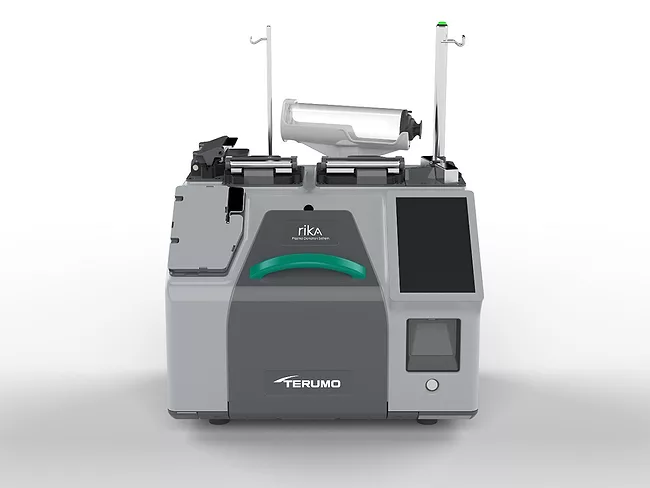
The FDA has cleared a plasma collection device developed by Terumo Blood and Cell Technologies (Terumo BCT) and plasma collection network CSL Plasma. The companies, which are subsidiaries of Terumo Corp. and CSL Ltd., signed a collaboration deal in 2021 to develop the new Rika device for CSL Plasma collection centers. The automated technology is designed to reduce plasma collection time to 35 minutes or less. According to the Red Cross, plasma donations currently take on average about 1 hour and 15 minutes.
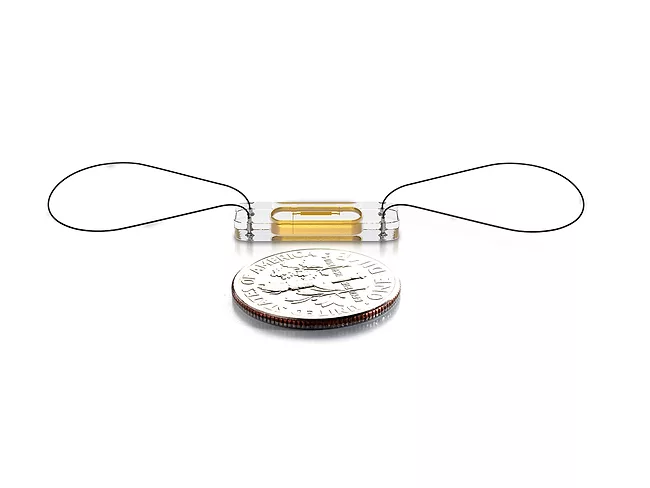
Abbott Laboratories’ Cardiomems heart failure (HF) system is open to a larger patient population following an expanded approval from the FDA. Abbott’s system had previously been approved for class III HF patients that had been hospitalized for HF in the past year. A new expanded indication enables the sensor to be utilized by class II (earlier stage) HF patients and those whose blood test show elevated levels of biomarkers known as natriuretic peptides. The FDA based the approval on findings from the GUIDE-HF trial, which suggested class II HF patients and patients with elevated natriuretic peptides had better outcomes when their therapy was guided by pulmonary pressure monitoring, with a 34% and 25% reduction in heart failure hospitalizations and emergency visits, respectively, based on study data adjusted for the impact of COVID-19.
With an FDA 510(k) clearance now in hand, Cloudcath Inc. is planning a phased launch of its remote monitoring platform for peritoneal dialysis (PD) patients. The company will make the system available on a limited basis in second half of 2022 “with broad U.S. availability increasing throughout 2023 and 2024,” Cloudcath CEO Aly ElBadry told BioWorld. The Cloudcath system continuously analyzes the dialysate fluid used in PD to detect early signs that a patient needs evaluation or intervention and then alerts both patients and clinicians.
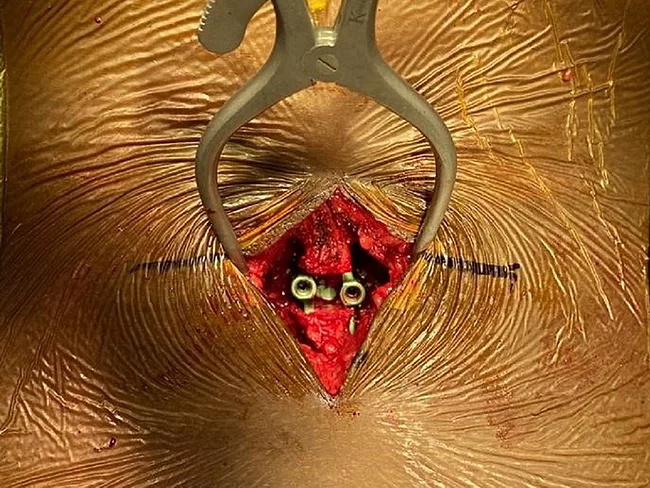
Inspan LLC has won FDA 510(k) clearance for an interspinous fixation system that can now be used to treat lumbar spinal stenosis in non-cervical spine cases of spondylolisthesis, trauma, tumor and degenerative disc disease. According to Aditya Humad, co-founder and CFO of Kicventures Group which counts Inspan among its portfolio companies, FDA clearance represents an expansion in the use of Inspan’s interspinous system into the “highly competitive space” of interventional pain management.
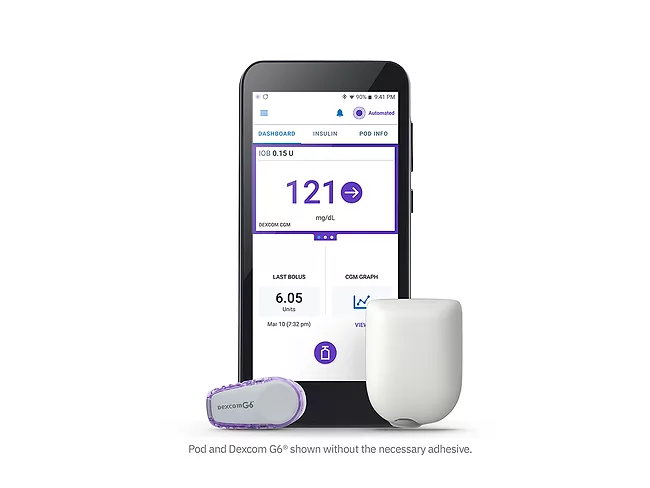
Insulet Corp. received FDA clearance for its Omnipod 5 closed-loop automated insulin delivery (AID) system for patients aged six and older who have type 1 diabetes on Friday, Jan. 28, making it the first tubeless “artificial pancreas” system to get the FDA greenlight. The Omnipod 5 works with Dexcom Inc.’s widely used G6 continuous glucose monitor (CGM) to self-adjust insulin dosing using its Smartadjust algorithm.
Abbott Laboratories received FDA 510(k) clearance for the Ensite X EP system with Ensite omnipolar technology, the company’s cardiac mapping platform. The system, which is used to identify and treat abnormal heart rhythms such as atrial fibrillation, produces detailed three-dimensional maps of the heart to guide physicians performing ablation procedures.
Glaukos Corp. received a green light from the FDA for its Iprime device for the delivery of viscoelastic fluid during ophthalmic surgery, which could help the company to recover some of the revenue lost by cuts to reimbursement for its minimally invasive glaucoma surgery (MIGS) product, Istent. A launch date has not been announced.
Bioventus Inc. has received FDA 510(k) clearance for a device that enables surgeons to remove bone in hard-to-work spaces during minimally invasive surgery. It acquired the company that developed the tool, Great Neck, N.Y.-based Misonix Inc., in October.
The FDA granted 510(k) clearance to Neuronetics Inc.’s MT Cap technology for the company’s transcranial magnetic stimulation system, Neurostar Advanced Therapy for Mental Health. The MT Cap speeds the process used to determine the dose and motor threshold for treatment with the Neurostar system for major depressive disorder (MDD). The company expects to begin a limited introduction of the product within weeks, with national rollout to follow in the first quarter of 2022.
 RSS
RSS