Medtronic plc received U.S. FDA approval for the expanded redo TAVR indication of the Evolut transcatheter aortic valve replacement system. The approval allows for valve-in-valve implantation of a new Evolut valve inside a failed previously implanted TAV made by any manufacturer in patients with severe aortic stenosis considered high-risk for open-heart surgery.
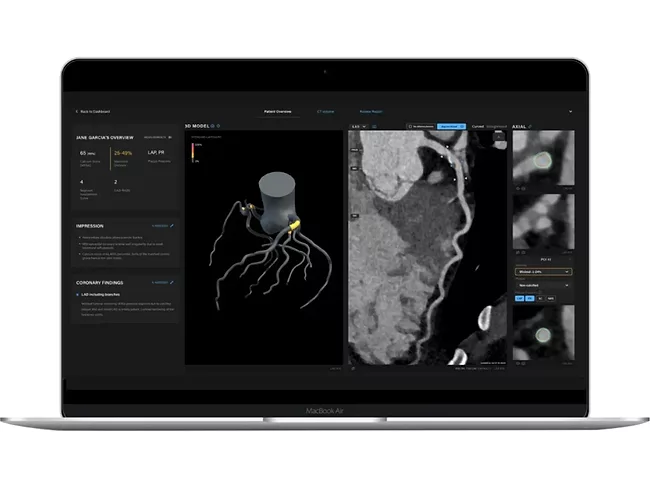
The U.S. FDA has cleared Artrya Ltd.’s 510(k) for its Salix coronary plaque (SCP) module that is a bolt-on module to the company’s Salix coronary anatomy platform.
Neuroone Medical Technologies Corp. expanded into treatment of chronic pain with a new U.S. FDA clearance for use of its Onerf system to treat trigeminal nerve pain. The system uses radiofrequency ablation to disrupt pain signals from the nerve to the brain.
Eleven pages is relatively short for a modern U.S. FDA draft guidance, but two trade associations nonetheless had questions about the FDA draft for transfers of 510(k) devices, such as how the agency defines the holder of the 510(k).
Olympus Corp.’s “active investment” in endoluminal robotics has materialized in a new joint venture med-tech called Swan Endosurgical Inc., with Revival Healthcare Capital LLC.
Caranx Medical SAS secured clearance from the U.S. FDA for Tavipilot Soft, its AI-powered software which provides real-time intraoperative guidance during transcatheter heart valve replacement (TAVR) procedures. The software, which tracks anatomical and instrumental landmarks in real-time to enable precise and accurate heart valve positioning and delivery, will allow a broader number of cardiologists to perform this complex procedure.
Synchrony Medical Ltd. received the greenlight from the U.S. FDA for its Libairty airway clearance system which is expected to transform the lives of people with chronic lung diseases. The company is now looking to raise $5 million in series A funding to support the launch of the product in the U.S. later this year.
Boston Scientific Corp. gained a second U.S. FDA approval for its Farapulse pulsed field ablation catheter, expanding its use into drug-refractory, symptomatic persistent atrial fibrillation (AF) in addition to its existing approval for paroxysmal AF. The expanded indication marks the first of several regulatory approvals the company expects in the coming months.
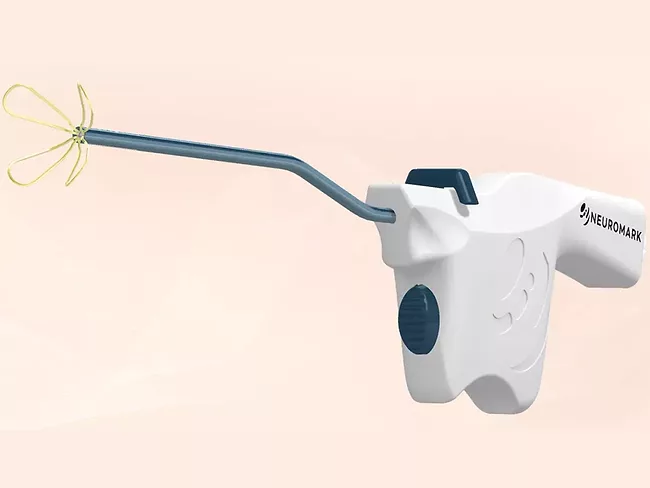
Amid rising demand for its Neuromark system, Neurent Medical Ltd. opened a new manufacturing facility in Ireland, which will serve as the central hub for the production of the device which treats chronic rhinitis.
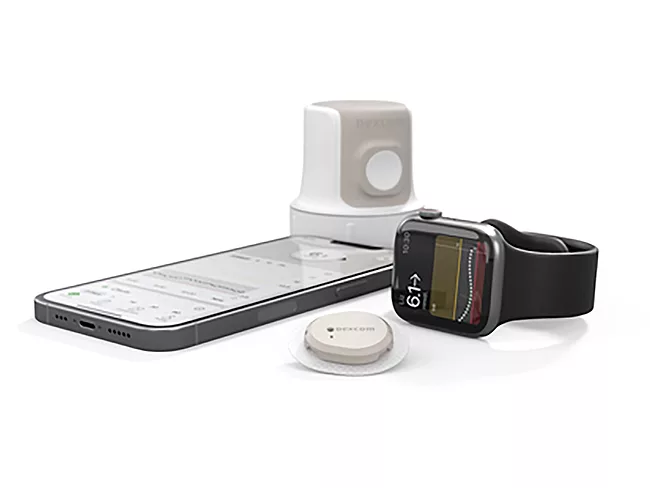
The battle to claim the continuous glucose monitor with the longest wear time continues with Dexcom Inc.’s G7 15 Day continuous glucose monitor gaining U.S. FDA clearance on April 10 for adults with diabetes. The company said it now takes the lead with the 15-day duration, but Abbott Laboratories also offers 15 days of useful life for its Freestyle Libre 3 plus.
 RSS
RSS