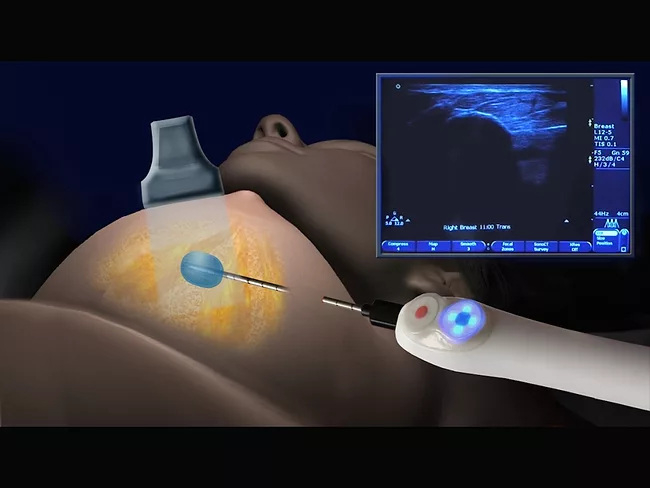
Icecure Medical Ltd. reported that the U.S. FDA has granted marketing authorization to Icecure's de novo application for the Prosense cryoablation system for the local treatment of breast cancer in patients 70 years of age or older with biologically low-risk tumors. The authorized indication includes patients that are not suitable for surgery for breast cancer treatment.
The U.S. FDA released another series of regulations for de novo devices, but the attendant regulation is not always available for these de novo devices.
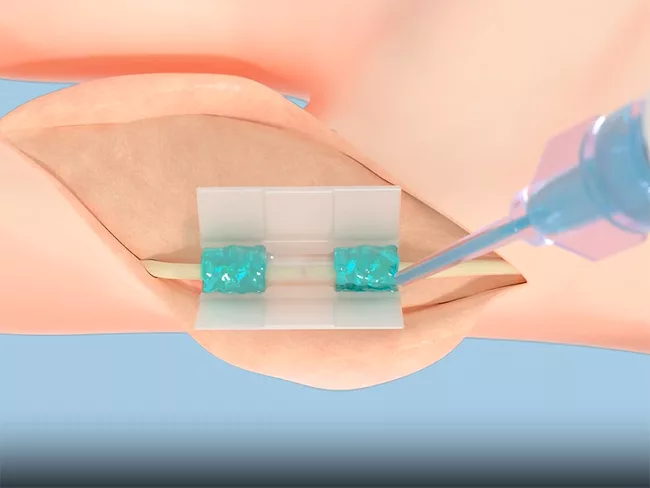
Could the U.S. FDA’s de novo marketing authorization for Tissium SA’s Coaptium Connect, an atraumatic sutureless solution for peripheral nerve repair, signal a transformative shift away from sutures in nerve surgery? Only time will tell.
It appears the U.S. FDA believes it’s never a bad time to release regulatory information about devices granted market access via the de novo program. The agency recently posted information on the vintage de novo granted in 2018 to Imagen Technologies Inc. for the company’s Osteo Detect algorithm.
Johnson & Johnson’s Medtech division reported the completion of the first cases in the clinical trial for the Ottava robotic surgical system. The cases mark the first clinical experience with the Ottava system, which has been a long time in development.
The U.S. FDA posted a series of de novo decisions Sept. 9, including a digital diagnostic for chronic kidney disease progression by Renalytix AI Inc., of New York, and a digital therapy device for management of fibromyalgia symptoms by Swing Therapeutics Inc., of San Francisco.
The U.S. FDA is accused of dragging its feet on making public the devices for which it granted market access under the de novo program, and the agency recently been scrambling to bring these decision summaries to light.
The U.S. FDA granted Scopio Labs Ltd. de novo clearance for its artificial intelligence (AI)-powered software which analyzes bone marrow. Scopio’s Full-Field Bone Marrow Aspirate (FF-BMA) system aims to improve patient care by standardizing bone marrow aspirate analysis and elevating diagnostic precision.
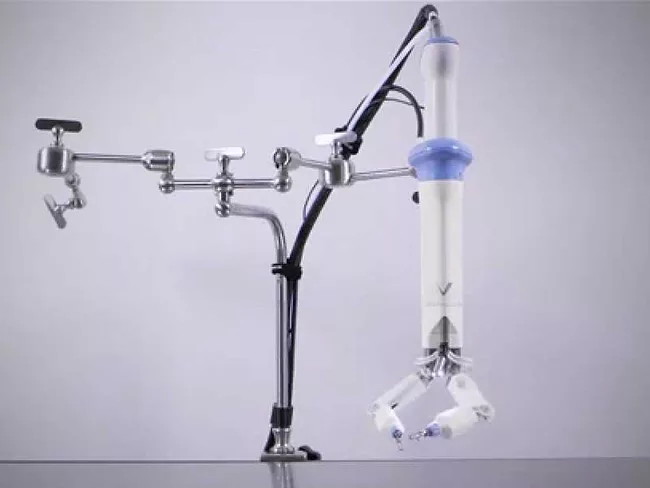
The U.S. FDA granted Virtual Incision Corp. de novo marketing authorization for its miniaturized in vivo robotic assistant for use in colectomy procedures in adults. The two-pound device offers portability and quick setup, eliminating the need for specialized operating rooms or arrangements to accommodate robotics.
 RSS
RSS