Niagen Bioscience Inc.’s proprietary lead small-molecule drug candidate, NB-4168, has been awarded European orphan drug designation and U.S. rare pediatric disease designation for the treatment of ataxia telangiectasia.
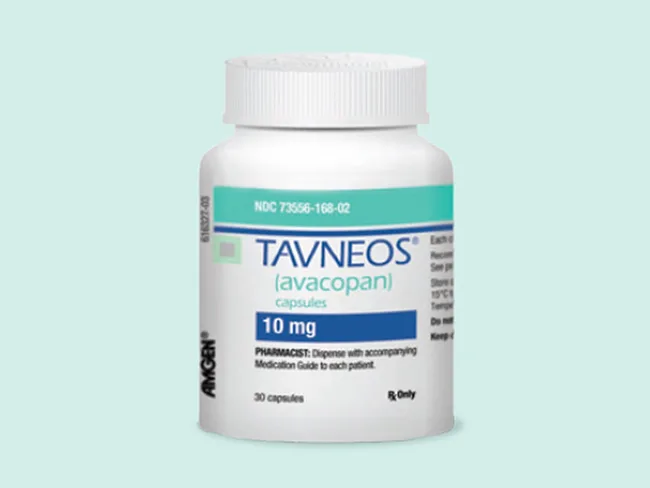
The EMA is recommending withdrawing Amgen Inc.’s complement inhibitor Tavneos (avacopan) from the market in Europe, saying data provided at the time it assessed the MAA “were found to be incorrect and misleading and could no longer be relied upon for demonstrating Tavneos’ effectiveness.”
The EMA’s 2025 annual report highlights the pressure it is under to streamline and simplify assessment processes, and the expanded – and explicit – role the agency now has in boosting the competitive position of the EU in the development and manufacturing of drugs.
Multiple updates on TROP2-directed antibody-drug conjugates (ADCs) for lung and breast cancers highlight both progress made and opportunities for improvement for the targeted class of cancer therapeutics.
Multiple updates on TROP2-directed antibody-drug conjugates (ADCs) for lung and breast cancers highlight both progress made and opportunities for improvement for the targeted class of cancer therapeutics.
There are initial signs that President Donald Trump’s most-favored nation (MFN) policy may be further delaying access to new drugs in Europe, as companies hold off commercializing in these countries to avoid lower European prices being referenced in the U.S.
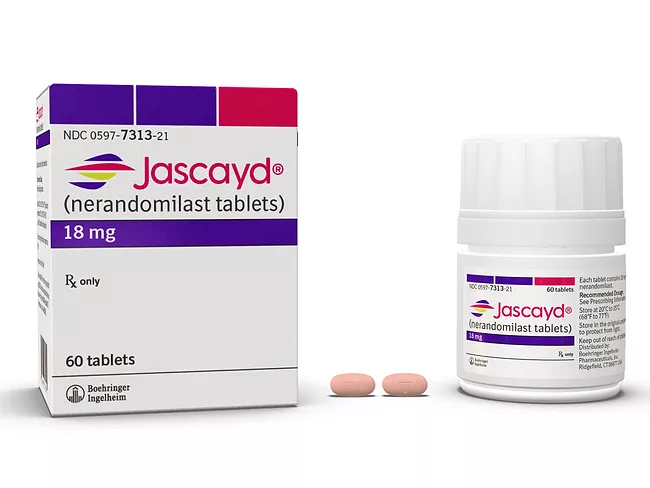
As generic versions of its blockbuster drug Ofev (nintedanib) start to hit the market, Boehringer Ingelheim GmbH looks to have swerved the patent cliff, with European and Japanese regulators both approving a potential replacement, Jascayd (nerandomilast), this week. At its monthly meeting, the EMA’s Committee for Medicinal Products for Human Use also recommended Novartis AG’s Vijoice (alpelisib) be given conditional approval in the treatment of PIK3CA-related overgrowth spectrum disorders.
In further fallout from the COVID-19 pandemic, the EU has now reached agreement on the Critical Medicines Act, which aims to boost European manufacturing capacity for drugs and their active ingredients, and enable member states to organize joint procurement to improve access to orphan drugs.
The European Medicines Agency (EMA) has launched a pilot program to fast track breakthrough medical devices in the EU and get lifesaving technologies to patients sooner. The program will allow for companies to obtain scientific advice from the expert panels intended to support evidence generation and clinical development of their devices.
Four months after receiving a complete response letter from the U.S. FDA for tolebrutinib to treat non-relapsing secondary progressive multiple sclerosis, Sanofi SA received a positive opinion recommending approval in the EU.
 RSS
RSS