Roche Holding AG is making good on its promise to try and convince the EMA of the benefits of Elevidys (delandistrogene moxeparvovec), announcing a further global phase III trial of the Duchenne muscular dystrophy gene therapy.
The EMA has given initial endorsement to a new approach to early toxicity testing in which live animals will be replaced by virtual counterparts. The virtual control groups will be derived from data generated in animals that have been used as controls in previous studies. The historical database has been brought together in an EU-funded project to which 20 pharma and crop sciences companies contributed. While limited in scope, this is the first time the EMA has formally endorsed the use of a new approach methodology (NAM) to generate data that could eventually be included in an application for marketing approval.
Once again, Amgen Inc.’s Tavneos (avacopan) is under U.S. FDA scrutiny, as the agency alerted patients and doctors March 31 about 76 cases of drug-induced liver injury, including eight deaths, with “reasonable evidence of a causal association” with the drug.
As expected, the EMA is recommending withdrawal of the mpox indication for Siga Technologies Inc.’s tecovirimat, whilst maintaining its approval as a treatment for smallpox, cowpox and adverse reactions to vaccinia vaccines.
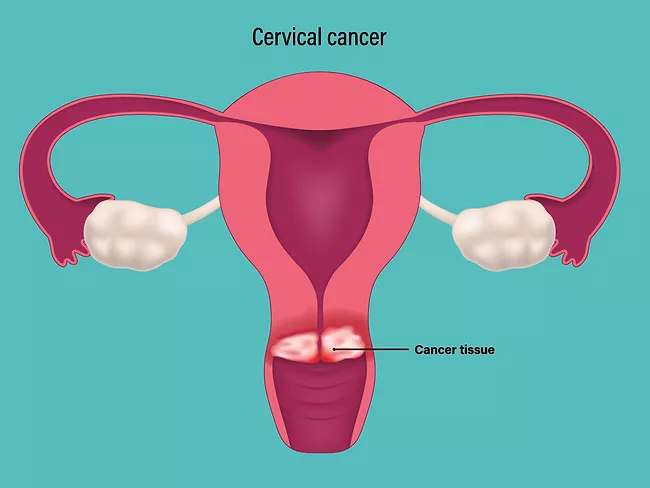
Cbio A/S has received European regulatory clearance to begin a first-in-human trial of novoleucel, the company’s next-generation T-cell therapy, in late-stage cervical cancer. The phase I/IIa study will enroll patients with persistent or recurrent cervical cancer at Karolinska University Hospital.
The EMA’s Committee for Medicinal Products for Human Use recommended approval of Moderna Inc.’s Mcombriax (mRNA-1083), positioning it to potentially become the world’s first combination vaccine for both seasonal influenza and COVID-19.
The pressure to replace animal testing with human-relevant assays that are more predictive of human-drug responses has now reached a tipping point, and there is a movement toward greater acceptance of these potentially more translatable tests.
The EMA has started a review of Amgen Inc.’s Tavneos (avacopan) after questions were raised about the integrity of the data in the Advocate study that the agency assessed when granting approval of the vasculitis treatment in January 2022.
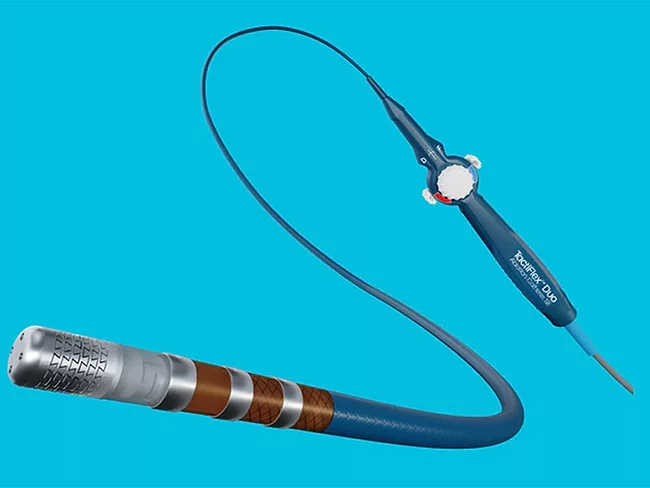
Abbott Laboratories received CE mark in Europe for the Tactiflex Duo ablation catheter to treat patients with atrial fibrillation. The first commercial cases using Tactiflex Duo, a dual energy device, were completed in the EU this week.
 RSS
RSS