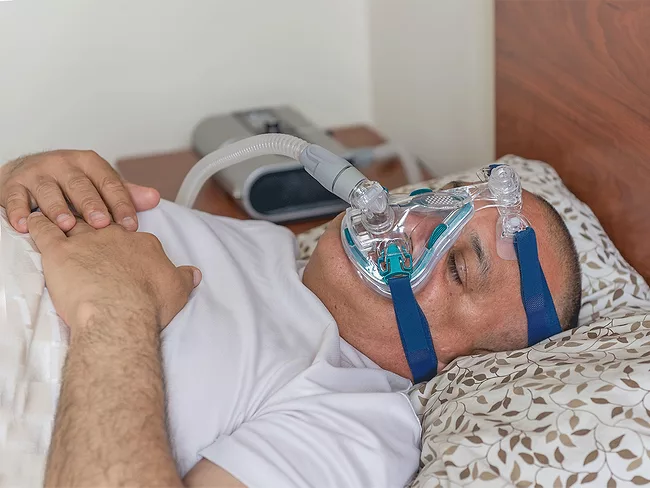
The U.S. FDA caught up with four makers of CPAP cleaning machines in the form of warning letters advising the manufacturers that the claims made for their systems fall under the definition of a regulated medical device. In two of these warning letters, the FDA said it had been in touch with the manufacturer for at least two years, indicating that the agency has been steadily working on enforcement activities in this space for some time.
Suven Life Sciences Ltd. has received IND approval from the FDA allowing it to initiate a first-in-human phase I study of SUVN-I6107, a muscarinic M1 receptor positive allosteric modulator (PAM) as a potential new treatment to address the dementia market.
Telix Pharmaceuticals Ltd. filed an NDA with the U.S. FDA for its radiopharmaceutical glioma imaging product, TLX-101-CDx (Pixclara, 18F-floretyrosine, 18F-FET), for the characterization of progressive or recurrent glioma from treatment-related changes in both adult and pediatric patients.
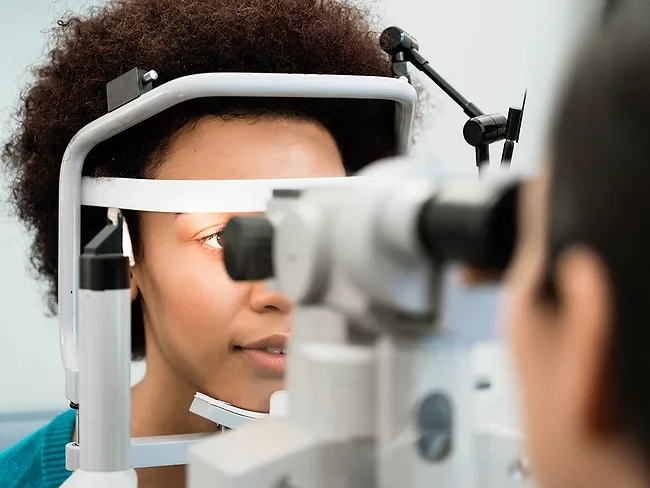
Find Therapeutics Inc. has obtained FDA clearance of its IND application for FTX-101, a first-in-class remyelinating agent that aims to restore vision in people with chronic optic neuropathy.
Drug and device sponsors conducting clinical trials in China to support U.S. FDA approval may want to reconsider their choice of trial sites, as trials conducted at hospitals and clinics affiliated with China’s military or in the Xinjiang Uyghur Autonomous Region could be in for increased scrutiny.
The clearance by the U.S. FDA of Healthccsng V2.0, an artificial intelligence cardiac solution developed by Nano-x Imaging Ltd.’s (Nanox) subsidiary, Nanox.AI, is highly “significant” for the company and will offer “substantial” benefits to cardiology departments by significantly enhancing the detection of coronary artery calcification, Erez Meltzer, Nanox CEO told BioWorld.
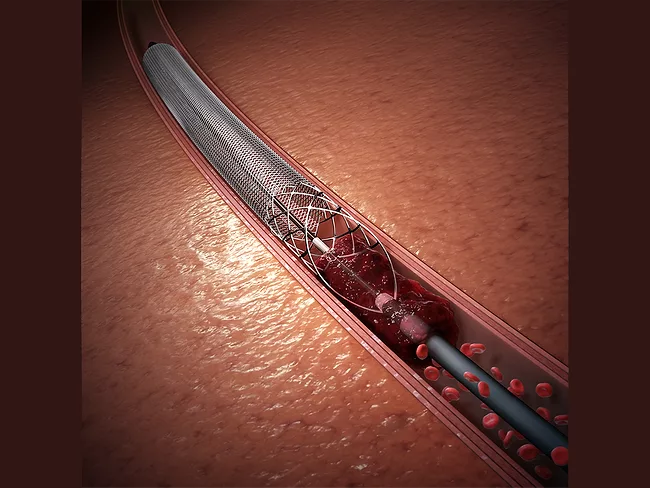
The U.S. FDA recently announced that Inari Medical Inc. issued a recall that corrects the instructions for use for roughly 2,500 units of the Clottriever XL catheter due to reports of device entrapment in the lung.
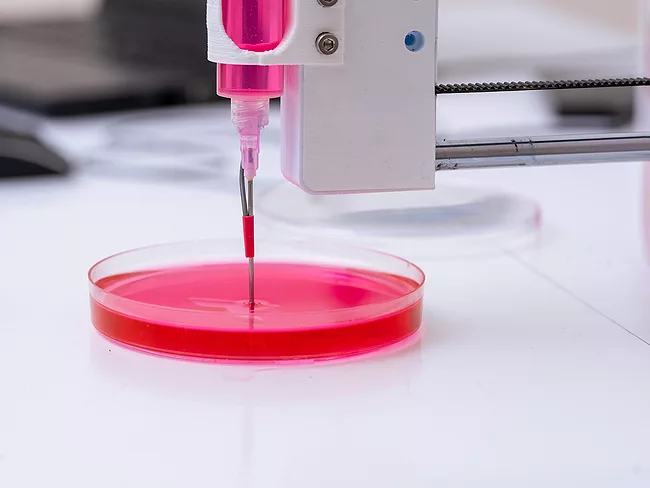
Additive manufacturing at the point-of-care (POC) might seem to open the world of medical device litigation to new theories of liability, but that isn’t likely in part because hospitals are wary of assuming the elevated legal risk associated with taking ownership of POC manufacturing activities.
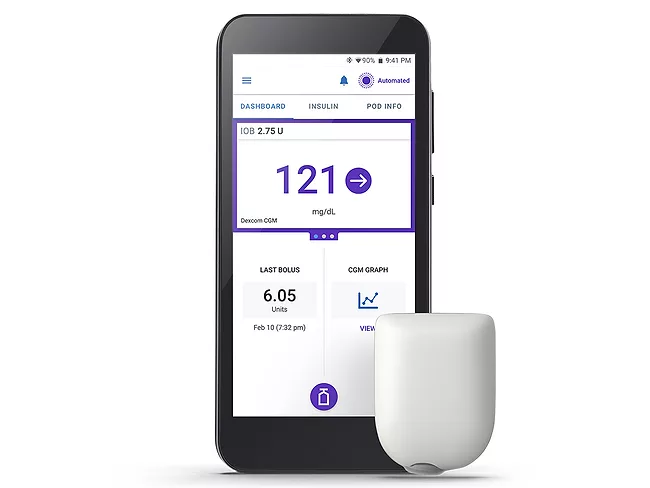
Insulet Corp.’s Omnipod 5 automated insulin delivery system has been cleared by the US FDA for the indication of type 2 diabetes, making it the first automated insulin delivery system cleared for both type 1 and type 2 diabetes management.
About two months after Astrazeneca plc said its application for sipavibart (AZD-3152) had been accepted by the EMA for pre-exposure prophylaxis (PrEP) against COVID-19 in immunocompromised people, Invivyd Inc. unveiled positive 180-day exploratory efficacy data from the company’s ongoing Canopy phase III trial with Pemgarda (pemivibart) in the same indication – and made known less happy news from regulators on the other side of the pond.
 RSS
RSS