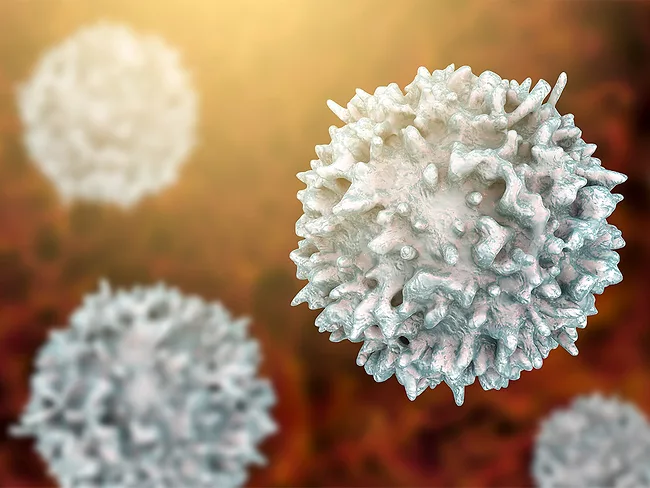
Cullinan Therapeutics Inc. has submitted an IND application to the FDA to evaluate its CD19 x CD3 bispecific T-cell engager, CLN-978, for the treatment of systemic lupus erythematosus (SLE).
Intercept Pharmaceuticals Inc. lost its uphill battle to convince the U.S. FDA’s Gastrointestinal Drugs Advisory Committee that the risks of its second-line primary biliary cholangitis drug outweigh the benefits. The committee overwhelmingly said the data in the follow-up studies of treating the rare disease with Ocaliva (obeticholic acid), which has accelerated approval from the FDA, was insufficient.
The U.S. FDA approved Apple Inc.’s Airpods Pro 2 as an over-the-counter assistive hearing device for adults with mild-to-moderate hearing loss, making the ubiquitous devices the first assistive hearing technology to receive this designation.
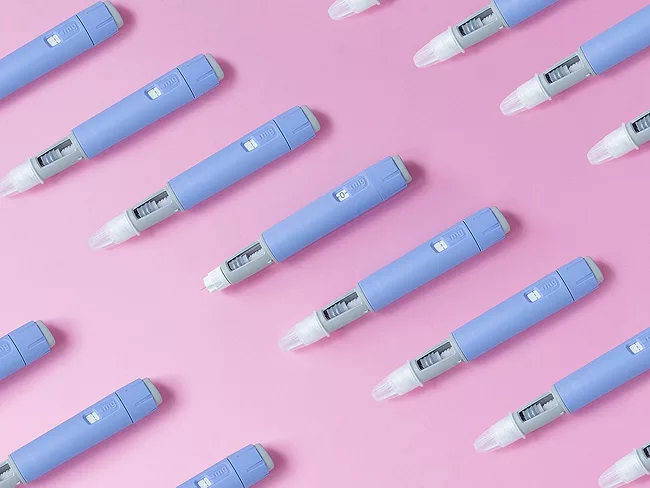
Chinese pharmaceutical and biotech companies are leading development of glucagon-like peptide-1 receptor agonists as Novo Nordisk A/S and Eli Lilly and Co. edge closer to launching blockbuster therapies in China. At the heart of the GLP-1 boom is a nationwide obesity problem driven by a confluence of factors, including the rise of a modern, sedentary lifestyle, according to Clarivate. Despite the rising prevalence of obesity and type 2 diabetes, the gap in obesity therapeutics is “substantial and leaves a solid market opportunity for weight loss drugs,” Karan Verma, principal analyst of healthcare research & data analytics at Clarivate, said.
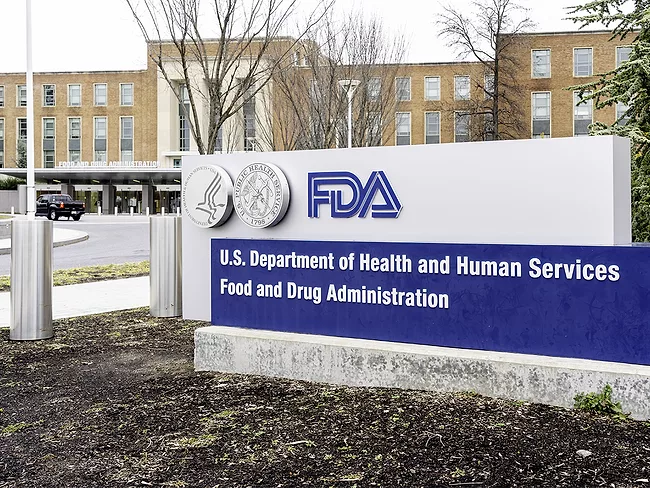
The U.S. FDA issued warning letters to a pair of non-clinical testing labs located in China for violations of good laboratory practices, but the fall-out may reach existing marketing authorizations.
Two leading glucagon-like peptide-1 (GLP-1) receptor agonists for obesity and type 2 diabetes – Novo Nordisk A/S’s semaglutide (Wegovy/Ozempic) and Eli Lilly and Co.’s tirzepatide (Mounjaro/Zepbound) – are advancing in China after taking the U.S. market by storm. China represents the world’s largest population of diabetes and obesity patients. Its GLP-1 market, valued at about $1.7 billion in 2023 according to Clarivate, is expected to grow as the number of obesity patients is projected to exceed 500 million by 2033.
Friday the 13th could be a make-or-break day in the U.S. for Intercept Pharmaceuticals Inc.’s Ocaliva (obeticholic acid). That’s the day the company will make its case before the FDA’s Gastrointestinal Drugs Advisory Committee for turning an 8-year-old accelerated approval into traditional approval.
The FDA’s Sept. 5, 2024, draft guidance for the use of patient preference information (PPI) over the total product life cycle represents a new set of requirements for device makers when obtaining such information. Going forward, device makers may be required to provide more detail about patient heterogeneity, including when the benefit-risk calculation varies by subpopulation.
The U.S. FDA on Sept. 6 granted fast track designation to MM-II – a novel, non-opioid injectable candidate for knee osteoarthritis (OA) co-developed by Sun Pharmaceutical Industries Ltd. and Moebius Medical Ltd. Mumbai, India-based Sun and Tel Aviv, Israel-based Moebius agreed, under undisclosed terms, to co-develop the novel liposomal non-opioid pain therapy in an exclusive global licensing deal in 2016.
The U.S. FDA posted a series of de novo decisions Sept. 9, including a digital diagnostic for chronic kidney disease progression by Renalytix AI Inc., of New York, and a digital therapy device for management of fibromyalgia symptoms by Swing Therapeutics Inc., of San Francisco.
 RSS
RSS