Investors reading into the U.S. FDA’s decision to skip an advisory committee meeting to discuss the NDA for Applied Therapeutics Inc.’s govorestat, seeking approval as the first therapy for treating classic galactosemia, clearly saw reasons for optimism, as shares of Applied (NASDAQ:APLT) jumped 69% to close Sept. 18 at $7.85.
Roivant Sciences Ltd. has sold another company, this time offering up Dermavant Sciences Ltd. to Organon & Co. for $1.2 billion. The deal brings Organon into a crowded market for plaque psoriasis treatments. The massive amount comprises an up-front $175 million payment, along with a potential $75 million regulatory milestone and up to $950 million in commercial milestones. In the deal, Organon brings in Vtama (tapinarof) cream, a topical, aryl hydrocarbon receptor agonist for mild, moderate and severe plaque psoriasis in adults.
Artificial intelligence is beginning to make its way into the world of medical device design, but Gregg Van Citters, senior consultant at Medicept, told BioWorld that there are both opportunities and tripwires on the road ahead.
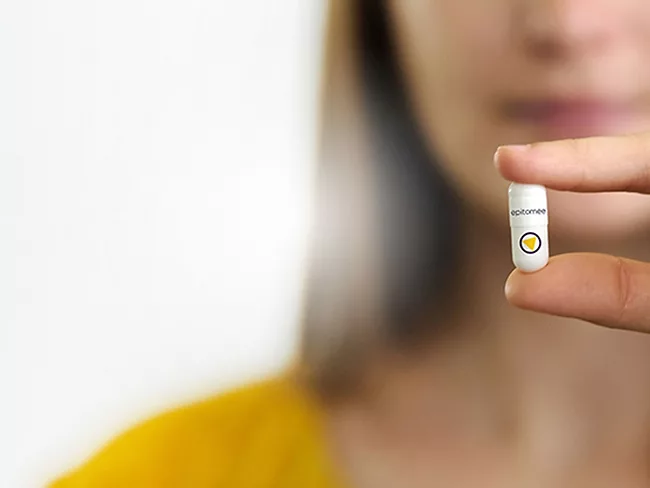
Epitomee Ltd. happily swallowed the news of U.S. FDA clearance for its capsule for weight management, an ingestible medical device for adults who are overweight or obese. Designed for use along with diet and exercise, the capsule expands in the stomach to create a feeling of fullness that lasts up to six hours.
Papillon Therapeutics Inc.’s PPL-001 has been awarded orphan drug designation by the FDA for Friedreich’s ataxia. PPL-001 is an experimental gene-corrected CD34+ hematopoietic stem and progenitor cell (HSPC) therapy.
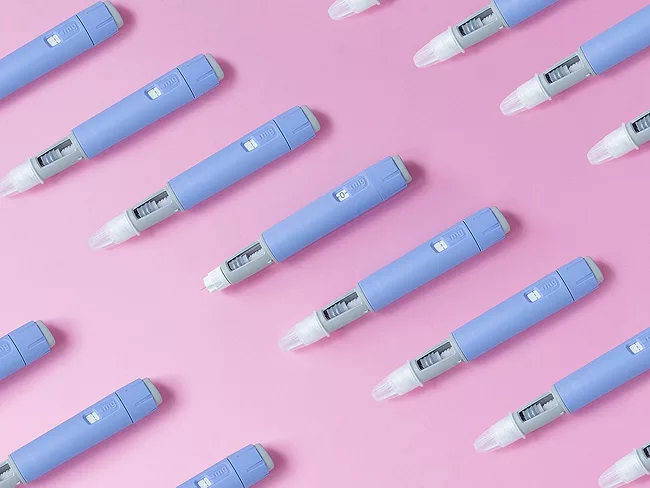
Two leading glucagon-like peptide-1 (GLP-1) receptor agonists for obesity and type 2 diabetes – Novo Nordisk A/S’s semaglutide (Wegovy/Ozempic) and Eli Lilly and Co.’s tirzepatide (Mounjaro/Zepbound) – are advancing in China after taking the U.S. market by storm.
Capricor Therapeutics Inc. has expanded its commercialization and distribution deal with Nippon Shinyaku Co. Ltd. to include the EU and the U.K. for deramiocel, Capricor’s lead asset, in treating Duchenne muscular dystrophy (DMD). In the new agreement, Capricor will receive an up-front payment of $20 million. Capricor will handle development and manufacturing duties for deramiocel while Nippon Shinyaku will be responsible for the sales and distribution.
The U.S. FDA cleared Senseonic Holdings Inc.’s Eversense 365, the first continuous glucose monitor to last a full year with a single sensor rather than the 10 days to two weeks typical for wearable sensors such as those offered by Abbott Laboratories and Dexcom Inc.
Chinese pharmaceutical and biotech companies are leading development of glucagon-like peptide-1 receptor agonists as Novo Nordisk A/S and Eli Lilly and Co. edge closer to launching blockbuster therapies in China. At the heart of the GLP-1 boom is a nationwide obesity problem driven by a confluence of factors, including the rise of a modern, sedentary lifestyle, according to Clarivate. Despite the rising prevalence of obesity and type 2 diabetes, the gap in obesity therapeutics is “substantial and leaves a solid market opportunity for weight loss drugs,” Karan Verma, principal analyst of healthcare research & data analytics at Clarivate, said.
The U.S. FDA cleared Senseonic Holdings Inc.’s Eversense 365, the first continuous glucose monitor to last a full year with a single sensor rather than the 10 days to two weeks typical for wearable sensors such as those offered by Abbott Laboratories and Dexcom Inc.

 RSS
RSS