The recall of CPAP, BiPAP and ventilator devices made by Philips Respironics Inc., of Murrysville, Pa., is now in its second year, but the rate of reported adverse events was exceedingly low prior to the onset of the June 2021 recall. Those numbers continued to climb in May, June and July of 2022, however, reaching 48,000 medical device reports and 44 deaths said to be associated with the recalled devices, a pace that would easily overwhelm the volume of reports seen in the 12 months ending April 30, 2022.
Valentine’s Day is a great day for creating that tingly feeling, but Abbott Park, Ill.-based Abbott Laboratories believes that this is not a good sensation for patients who are in search of pain relief via spinal cord stimulation (SCS) devices. Thus, the company touts its Proclaim Plus as a system that delivers a tightly titrated charge to multiple sites on the spinal cord to generate an analgesic effect without that tingling sensation, an outcome the company said is preferred by 87% of those in need of SCS for pain relief.
Additional deaths believed to be associated with one of Foghorn Therapeutics Inc.'s lead candidates led the U.S. FDA to put a full clinical hold on its phase I study in relapsed and/or refractory acute myelogenous leukemia and myelodysplastic syndrome.
While other COVID-19 vaccine makers are developing bivalent boosters comprising the original SARS-CoV-2 strain and an omicron variant, Russia’s Gamaleya National Research Center of Epidemiology and Microbiology is trekking a different course. Leaving behind the ancestral strain, Gamaleya’s next generation of the Sputnik V vaccine has been specifically adapted against delta and omicron variants of the coronavirus.
In the six years since the U.S. FDA issued its final guidance on charging for drugs used under an investigational new drug (IND) application for clinical trials or expanded access, the agency has received several questions about how it is implementing regulations on the matters. To answer those questions, the FDA released a revised draft guidance that, when finalized, will replace the guidance issued in 2016.
Shares of Pharvaris NV (NASDAQ:PHVS) fell 34% Aug. 22 to close at $12.15 after the company reported the U.S. FDA placed a clinical hold on PHA-121, its oral bradykinin B2-receptor antagonist for hereditary angioedema (HAE), citing a review of nonclinical data. PHA-121, which goes after the same target as well-established injectable HAE drug Firazyr (icatibant, Takeda Pharmaceutical Co. Ltd.), is the active ingredient in Pharvaris’ two lead programs: PHVS-416, a softgel capsule formulation, and PHVS-719, an extended-release tablet formulation.
It’s a step forward and a step back at Pfizer Inc. Even as Pfizer and its partner Biontech SE finished filing an emergency use authorization application with the U.S. FDA seeking to field an updated booster dose of their omicron COVID vaccine, the regulator has made a request of its own, for more data on the company's oral antiviral, Paxlovid (nirmatrelvir + ritonavir), for treating COVID-19. An Aug. 5, 2022, letter from the FDA stipulates post-EUA requirements for Paxlovid, including that Pfizer conduct a trial in patients with a relapse of COVID symptoms, longhand for a “rebound,” after an initial Paxlovid treatment course.
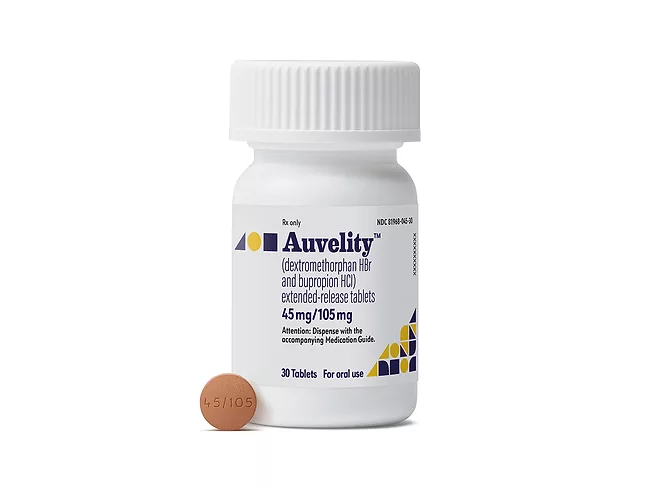
A year from the U.S. FDA’s August 2021 citation of deficiencies in the labeling for Axsome Therapeutics Inc.’s major depressive disorder therapy, Auvelity (dextromethorphan + bupropion), the agency has approved the drug for use by adults. The New York-based company’s stock (NASDAQ:AXSM) took flight on the news, with shares rising 40% to close at $59.55 Aug. 19, surpassing their previous 52-week high of $48.82 and starkly contrasting with a same-period low of $19.38.
An Emergent Biosolutions Inc. facility in Baltimore is under U.S. FDA scrutiny after a February 2022 inspection revealed manufacturing problems, some of which resulted in multiple customer complaints.
The U.S. FDA has approved the first cell-based gene therapy for treating adult and pediatric patients with beta-thalassemia requiring frequent red blood cell transfusions. The $2.8 million wholesale acquisition cost for the one-time I.V. infusion will make it one of the most expensive drugs in the U.S.
 RSS
RSS