The FDA has cleared Immusoft Corp.'s IND for ISP-001 (iduronicrin genleukocel-T) for the treatment of mucopolysaccharidosis type I (MPS I), allowing initiation of a phase I trial.
The U.S. FDA’s formation of the Digital Health Center of Excellence (DHCoE) was heralded as a key enabler of digital health technologies, but the news hasn’t necessarily had the expected effect. The agency’s December 2021 draft guidance on the use of digital health technologies to assist in the conduct of clinical trials is still in regulatory drydock.
Regulation of advanced therapies has come under scrutiny at a conference in London, as activity in the sector heats up amid Europe’s root and branch review of pharmaceutical legislation.
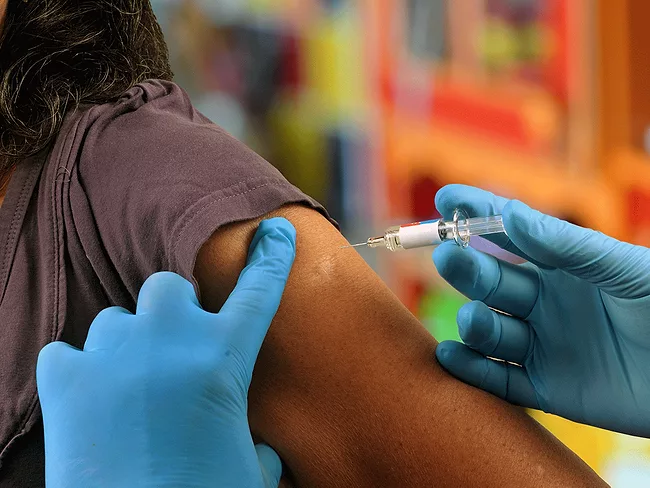
In the hope of preventing thousands of hospitalizations and deaths over the next few months, the U.S. CDC’s Advisory Committee on Immunization Practice (ACIP) voted 13-1 Sept. 1 to recommend the use of Moderna Inc.’s and Pfizer Inc.-Biontech SE’s updated vaccines that contain components of both the original SARS-CoV-2 virus and the omicron BA.4/5 subvariants as boosters.
Five months after winning its first approval in Japan, Sanofi SA’s enzyme replacement therapy, Xenpozyme (olipudase alfa), earned a U.S. FDA nod for use in pediatric and adult patients with acid sphingomyelinase deficiency (ASMD), becoming the first medication designed to treat symptoms not related to the central nervous system.
Right on cue, the U.S. FDA authorized bivalent COVID-19 vaccines from Moderna Inc. and Pfizer Inc.-Biontech SE to be given as boosters at least two months following a primary vaccine series or a previous booster. “These updated boosters present us with an opportunity to get ahead of the next wave of COVID-19,” FDA Commissioner Robert Califf said, following the Aug. 31 announcement.
Stemcyte Inc. has received IND approval from the FDA for a phase II trial using umbilical cord blood stem cell therapy for post-COVID syndrome, or long COVID.
The FDA has cleared Inhibikase Therapeutics Inc.'s IND application for IkT-001Pro for the treatment of chronic myelogenous leukemia (CML). IkT-001Pro is a prodrug formulation of imatinib mesylate and has been developed to improve the safety of the first FDA-approved Abelson (Abl) kinase inhibitor, Gleevec (imatinib).
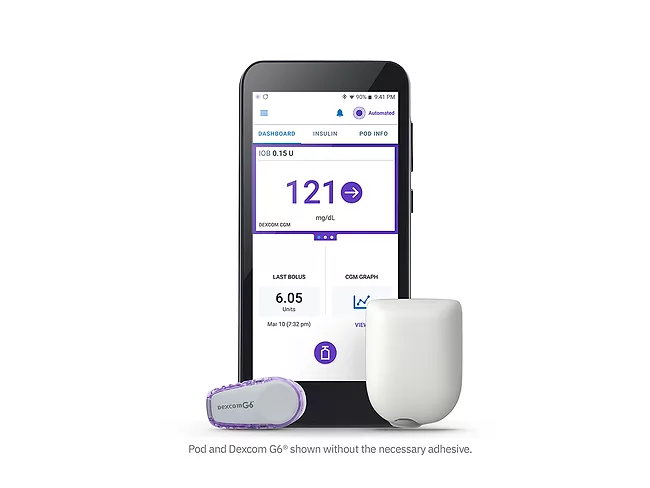
Insulet Corp. got the U.S. FDA’s nod to extend use of its Omnipod 5 automated insulin pump to children aged 2 years and up with type 1 diabetes. The expanded indication, just seven months after FDA cleared Omnipod 5 for patients 6 years and older, represents the first time a tubeless automated insulin delivery (AID) system has been authorized for use in children this young.
Moderna Inc.’s and Pfizer Inc.-Biontech SE’s COVID-19 bivalent boosters could be coming to the U.S. in the first week or so of September – even though the U.S. FDA just received the completed emergency use authorization (EUA) requests for the vaccines this week. The CDC is already taking pre-orders from providers, states and other jurisdictions for the yet-to-be authorized booster doses as part of its fall-winter booster campaign strategy. It also scheduled a Sept. 1-2 meeting of its Advisory Committee for Immunization Practices, signaling that it expects the FDA to grant the EUAs by the end of August.

 RSS
RSS