Teleradiology company Nines Inc. won 510(k) clearance from the FDA for Ninesmeasure, an artificial intelligence (AI)-powered tool for measuring lung nodules. The Palo Alto, Calif.-based company says the new tool can help speed the diagnosis of certain respiratory diseases, resulting in better patient outcomes.
The latest global regulatory news, changes and updates affecting medical devices and technologies, including: Endologix, other stent graft products in line for FDA panel safety probe; New conditions imposed on vaccine authorization; MRNA vaccine efficacy holds in real world; STIs on the rise in U.S.
The FDA approved the world's first non-surgical heart valve to treat severe pulmonary valve regurgitation, which often affects individuals with congenital heart disease. Medtronic plc’s Harmony transcatheter pulmonary valve system (TPV) improves blood flow to the lungs without open-heart surgery. The device could extend the time before an individual born with heart disease needs open-heart surgery and the total number of such surgeries they have to endure over their lifetime.
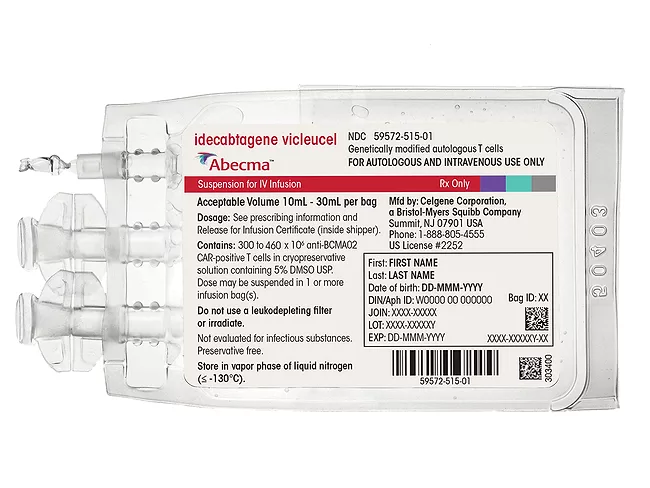
The first BCMA-targeted CAR T therapy, idecabtagene vicleucel, cleared FDA approval for use in adults with multiple myeloma (MM) who have received four or more prior lines of therapy. Developed by partners Bluebird Bio Inc. and Bristol Myers Squibb Co., the drug, branded Abecma, is also the first CAR T drug indicated for MM. It is designed for use as a one-time infusion, with a recommended dose range of 300 to 460 x 106 CAR-positive T cells. The personalized therapy will be produced at BMS’ cellular manufacturing facility in Summit, N.J. Bluebird developed the lentiviral vector used in Abecma.
South San Francsico-based Twist Bioscience Corp. and Biotia Inc., of New York, received the first FDA emergency use authorization (EUA) for a capture-based next-generation sequencing (NGS) assay for the coronavirus that causes COVID-19. The technique reduces the likelihood of misdiagnosing or failing to identify mutations compared to standard sequencing.
The latest global regulatory news, changes and updates affecting medical devices and technologies, including: FDA approves Harmony device to treat patients with congenital heart disease.
The use of dermal fillers has spiked in recent years for a number of reasons, but so have the associated adverse events. An FDA advisory committee made several associated recommendations, including that a patient’s vision be prospectively evaluated prior to any peri-ocular treatment with fillers, but this could be a simple count-the-fingers check, something that should not appreciably increase procedure times or affect the volume of procedures.
The latest global regulatory news, changes and updates affecting medical devices and technologies, including: FDA seeks nominations for blood products advisory panel; Massachusetts hospital hit for HIPAA access non-compliance; No reports recorded for Medtronic recall; Tillis, Cotton eye patent examiner practice for Section 101 problem.
If the March 25 vote from a joint FDA advisory committee meeting is anything to go by, the long and bumpy development road for Pfizer Inc.’s tanezumab, a nonopioid pain drug, may have just gotten longer and bumpier. In what was nearly a unanimous vote, the Arthritis Advisory Committee and Drug Safety and Risk Management Advisory Committee said the sponsor’s proposed risk evaluation and mitigation strategy (REMS) was not adequate to ensure the benefits of tanezumab in alleviating osteoarthritis pain outweigh its risks, which include further joint deterioration.
The rapidly expanding field artificial intelligence (AI)-aided image analysis received a boost with the FDA 510(k) clearance for Optellum Ltd.’s Virtual Nodule Clinic, which helps clinicians evaluate small, potentially malignant lung lesions or nodules. The action makes Optellum’s system the first cleared radiomic application for early lung cancer, an area of active research for the last five years.
 RSS
RSS