More than a decade after first approving Actemra (tocilizumab) for the treatment of rheumatoid arthritis, the FDA has added a sixth use to its label: slowing the rate of decline in pulmonary function in adult patients with systemic sclerosis-associated interstitial lung disease.
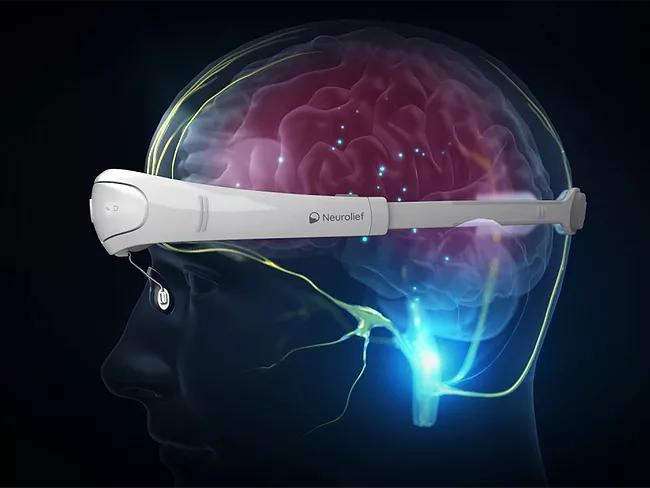
Neurolief Ltd. received FDA clearance for its Relivion system for home treatment of acute migraine. The noninvasive multichannel brain neuromodulation system, worn as a headset, stimulates the occipital and trigeminal nerves.
From the time it paused inspections of drug manufacturing sites a year ago due to the COVID-19 pandemic, the FDA conducted only three foreign “mission-critical” inspections in fiscal 2020. Those were in Canada, Germany and India, according to a new U.S. Government Accountability Office report.
The latest global regulatory news, changes and updates affecting medical devices and technologies, including: GAO reviews FEMA's pandemic supply chain management efforts; Testing lab owner sentenced to three years; Health Canada renews interim order for importation of devices; FDA: claims of registration certificates may be misleading; MDCG issues gap guidance pending Eudamed completion; FDA seeking nominations for advisory committee.
A new once-daily attention deficit hyperactive disorder (ADHD) drug developed by prodrug specialist Kempharm Inc. has won FDA approval under the brand name Azstarys. The medicine combines serdexmethylphenidate, Kempharm's prodrug of the CNS stimulant dexmethylphenidate, with immediate-release d-MPH, the core medicine in the now off-patent product Focalin, a refined formulation of Ritalin.
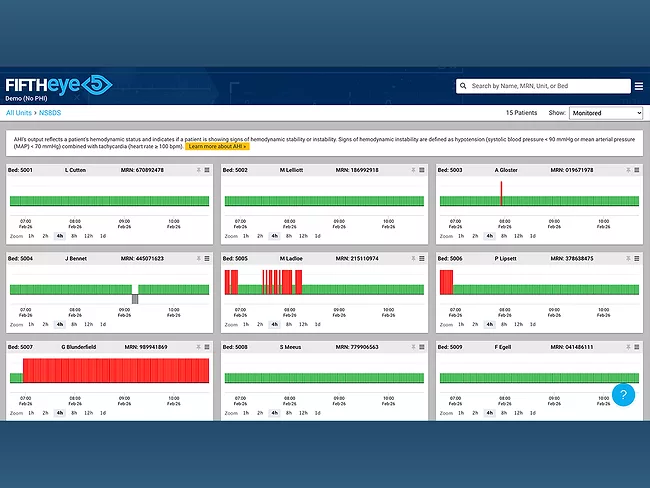
The FDA has granted de novo authorization to Fifth Eye Inc. for its Analytic for Hemodynamic Instability (AHI), a machine learning (ML)-based, real-time indicator of patient deterioration. Commercialization of the software device, which continuously monitors patients with an electrocardiogram (ECG) for signs of deterioration, got underway on March 1.
The latest global regulatory news, changes and updates affecting medical devices and technologies, including: FDA updates recognized standards list; Advisory hearing scheduled for Transmedics’ OCS; GAO said ‘no’ to Spartan Medical appeal; CDC posts updates on SARS sequencing.
Non-clinical testing for the SARS-CoV-2 virus has been a major goal for regulators across the globe for months. Emergency use authorization (EUA) was just granted by the FDA is for the Quidel Quickvue COVID-19 test, an at-home antigen test with a turnaround time of 10 minutes. It’s the latest in a series of approvals of home tests and collection kits that promises to help control the pandemic.
Molybdenum cofactor deficiency (MoCD) type A, an ultra-rare metabolic disorder causing intractable seizures, brain injury and death, now has a world-first treatment in Nulibry (fosdenopterin), a new I.V. therapy developed by Bridgebio Pharma Inc. subsidiary Origin Biosciences Inc. The agency's priority review, supported by its orphan, breakthrough and rare pediatric disease programs, also yielded a priority review voucher (PRV) for Origin.
In a move that caught analysts and investors by surprise, the FDA rejected Athenex Inc.’s NDA for Oraxol, its oral version of paclitaxel, for use in metastatic breast cancer, citing safety risks and questioning the reliability of the clinical data supporting the application.

 RSS
RSS