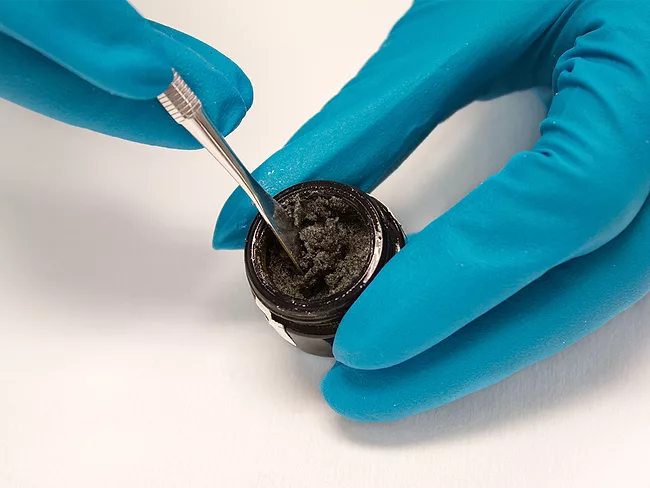
Carmell Therapeutics Corp., of Pittsburgh, received fast track designation from the U.S. FDA for its first product, CT-101, a bone healing accelerant. Carmell is gearing up for a phase III study of the plasma-based bioactive accelerant as part of its pursuit of a biologic license application.
Carmell Therapeutics Corp., of Pittsburgh, received fast track designation from the U.S. FDA for its first product, CT-101, a bone healing accelerant. Carmell is gearing up for a phase III study of the plasma-based bioactive accelerant as part of its pursuit of a biologic license application.
The FDA’s 15-day deadline for responses to warning letters has long been a sore spot for device makers, who might argue that some of the more complex regulatory findings require more than 15 days to analyze and address. That same timeline was found in both the draft and final versions of the non-binding feedback guidance for device inspections despite industry’s pleas that such a tight deadline leads to rushed judgment and potentially inadequate responses by managers at the manufacturing site.
Following revelations that a randomized, placebo-controlled study of the Gilead Sciences Inc.’s antiviral, remdesivir, reduced time to recovery for hospitalized patients with "advanced" COVID-19, along with additional data from an open-label phase III trial from its maker, the FDA is "working with Gilead to figure out a mechanism to make this easily available to people who need it," Anthony Fauci, director of the NIH’s National Institute for Allergy and Infectious Diseases (NIAID), said April 29.
Six of six critically ill COVID-19 patients survived after being treated as compassionate care cases with Capricor Therapeutics Inc.’s lead candidate, an off-the-shelf cardiac cell therapy. The success prompted the FDA to review the data and approve the company’s expanded access protocol for treating as many as 20 more COVID-19 patients.
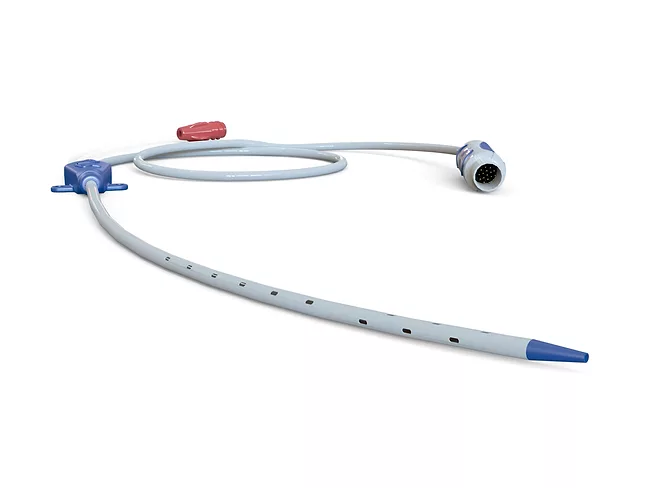
Reports of unusually high death rates for COVID-19 patients on ventilators have raised alarms, and some doctors are looking to reduce reliance on the breathing machines when possible. To advance that goal, Lungpacer Medical Inc., of Vancouver, British Columbia, has obtained an emergency use authorization (EUA) from the U.S. FDA for its Lungpacer diaphragmatic pacing therapy system (DPTS) for immediate use in ventilator patients at high risk of weaning failure, including patients with the novel coronavirus.
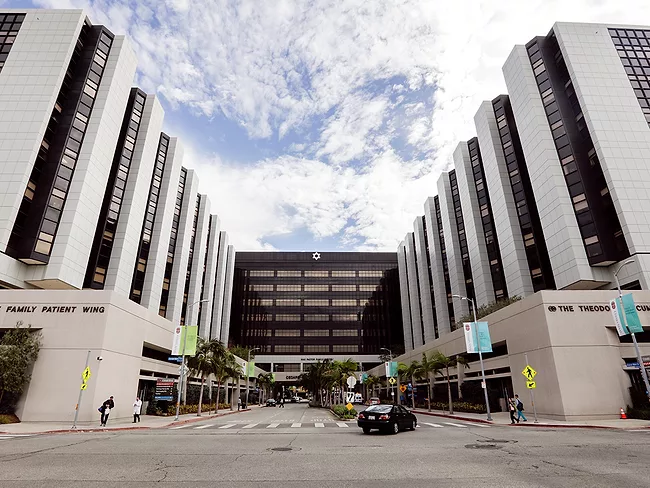
Ultraviolet (UV) light has a long-standing track record in use as an antimicrobial. But the primary limitation to using UV light in relation to the human body is that it can also potentially damage its cells. A group of researchers at the Cedars-Sinai Medical Center in Los Angeles, Calif., known as the Medically Associated Science and Technology (MAST) team, is now researching safe UV technology for use in COVID-19 treatment.
A once-daily add-on therapy for Parkinson's disease (PD) used in Europe for years has now gained clearance in the U.S. with FDA approval of Ongentys (opicapone). The drug, an improvement upon generics in its class, will be sold by Neurocrine Biosciences Inc. The medicine, a catechol-O-methyltransferase (COMT) inhibitor first approved by the EMA in 2016, extends the half-life of levodopa, increasing doses of which are required to achieve motor control as PD progresses. Portugal-based Bial-Portela & Ca SA, from which Neurocrine licensed North American rights to the drug, will receive a $20 million award from its partner. Shares of San Diego-based Neurocrine (NASDAQ:NBIX), a neuroscience company focused on treating movement disorders, rose 3.5% following the approval, closing at $101.67 on April 27.
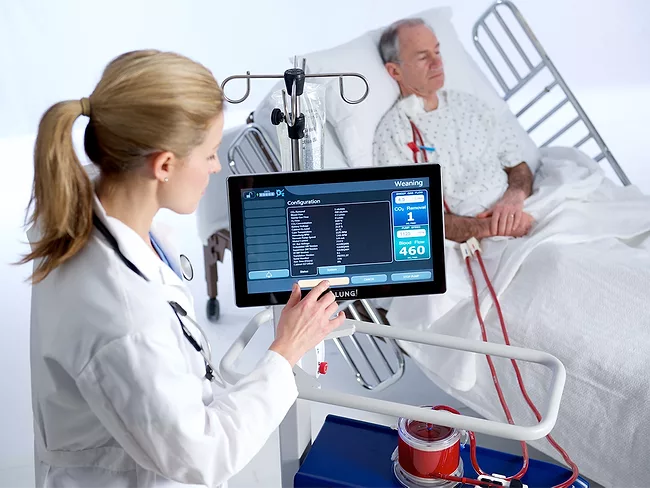
Pittsburgh-based Alung Technologies Inc. has received emergency use authorization from the U.S. FDA for its Hemolung Respiratory Assist System (RAS) to treat lung failure caused by COVID-19. The technology could help to ease demand for ventilators, which have been in short supply in coronavirus hot spots, and provide an alternative for patients who can’t tolerate mechanical ventilation.
Portland, Ore.-based startup Viscardia Inc. has received breakthrough device designation from the FDA for its implantable Visone system to treat moderate to severe heart failure with reduced ejection fraction and preserved ventricular synchrony. The minimally invasive implant works by stimulating a specific portion of the diaphragm.
 RSS
RSS