The U.S. FDA has cleared Actio Biosciences Inc.’s IND application and granted fast track designation to ABS-1230, an expected first-in-class, orally administered small-molecule KCNT1 inhibitor, for the treatment of KCNT1-related epilepsy.
The U.S. Federal Trade Commission announced a $14.6 million grant it received for an upgrade of its IT infrastructure. The same grant mechanism is leveraged by the Department of Justice, which is a clear sign that U.S. enforcement will be more vigorously enabled by sophisticated analytics going forward.
The news that Vinay Prasad has stepped down as CBER director at the U.S. FDA had some biotech stocks literally jumping in joy as the market opened July 30. Meanwhile, Prasad’s decisions regarding vaccine development, as well as actions by Makary and HHS Secretary Robert Kennedy, are coming under fire.
Radiopharm Theranostics Ltd. announced that the U.S. FDA has cleared the IND application for betabart (RV-01), its Lu177-B7H3 monoclonal antibody designed with strong affinity for the 4Ig isoform of B7-H3 that is highly expressed in tumors and not in healthy tissues.
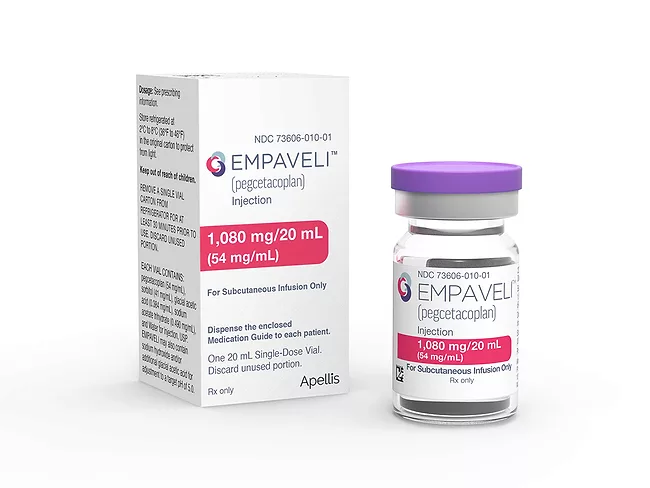
Following a priority review, Apellis Pharmaceuticals Inc. received U.S. FDA approval of a supplemental NDA making pegcetacoplan the second marketed treatment for complement 3 glomerulopathy and the first for primary immune complex membranoproliferative glomerulonephritis.
Sarepta Therapeutics Inc.’s adventure with the Duchenne muscular dystrophy (DMD) AAV-based gene therapy Elevidys (delandistrogene moxeparvovec) continued as the firm said it would restart shipments of the compound for ambulatory patients “imminently,” with the U.S. FDA’s blessing.
With reduced sales and operating expectations for the rest of the year, Novo Nordisk A/S is on the receiving end of a huge stock drop. For a big pharma, where the stock drops are usually more modest, the shares (NASDAQ:NVO) fell off a cliff on July 29, closing 21.8% downward to $53.93 each, the lowest price per share in the past 12 months. Lower U.S. sales of semaglutide blockbusters Wegovy and Ozempic for treating obesity and diabetes are at the heart of the plunge. In May, the Danish company had expected 13% to 21% sales growth but now is looking at only 8% to 14%.
PTC Therapeutics Inc. will be launching its oral phenylketonuria therapy, Sephience (sepiapterin) in both the U.S. and Europe this summer, following the U.S. FDA approval just ahead of its July 29 PDUFA date. Sephience previously gained marketing authorization by the European Commission, roughly three months after a thumbs up from the EMA’s Committee for Medicinal Products for Human Use.
Radiopharm Theranostics Ltd. announced that the U.S. FDA has cleared the IND application for betabart (RV-01), its Lu177-B7H3 monoclonal antibody designed with strong affinity for the 4Ig isoform of B7-H3 that is highly expressed in tumors and not in healthy tissues.
The U.S. FDA has cleared Zymeworks Inc.’s IND application for ZW-251, a novel glypican-3 (GPC3)-targeted antibody-drug conjugate (ADC) incorporating the company’s proprietary topoisomerase 1 (TOPO1) inhibitor payload, ZD-06519, for the treatment of hepatocellular carcinoma (HCC).
 RSS
RSS