Negotiations for the sixth U.S. FDA device user fee agreement (MDUFA VI) are officially underway, and the Aug. 4 meeting highlighted some of the differences between the agency’s and industry’s expectations.
The FDA announced July 17 that Dexcom Inc. recalled a series of continuous glucose monitor receivers for a failure of speakers to issue an alert for out-of-specification blood glucose measures. This is a clear demonstration of the principle that greater device functionality often creates new types of risk.
While inflation in the U.S. is hovering below 3%, increases in some FDA user fees for fiscal 2026 are tripling that rate. PDUFA fees for branded prescription drugs and biological products will see a 9% hike come Oct. 1, and the increase in MDUFA fees will more than double the inflation rate with a 7% hike across the board.
Mabwell (Shanghai) Bioscience Co. Ltd. announced that its Cadherin-17 (CDH17)-targeting antibody-drug conjugate (ADC), 7MW-4911, has received IND clearance to initiate clinical trials from both the U.S. FDA and China's National Medical Products Administration (NMPA).
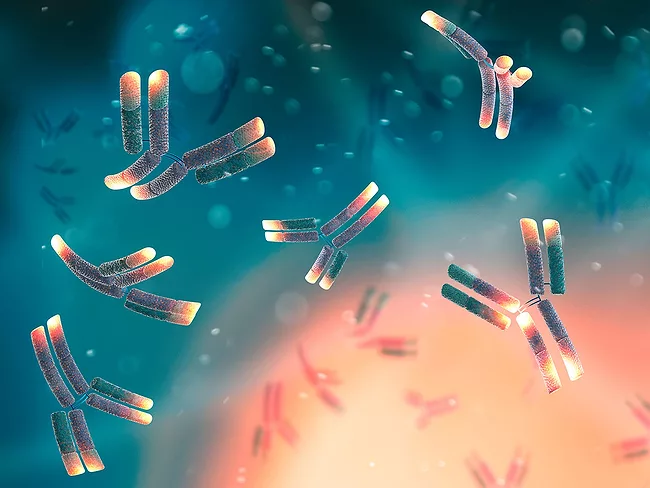
Regeneron Pharmaceuticals Inc. disclosed within a positive second-quarter earnings report that it had received a complete response letter (CRL) two days earlier from the U.S. FDA for its bispecific antibody, odronextamab, for relapsed/refractory follicular lymphoma following two or more lines of systemic therapy.
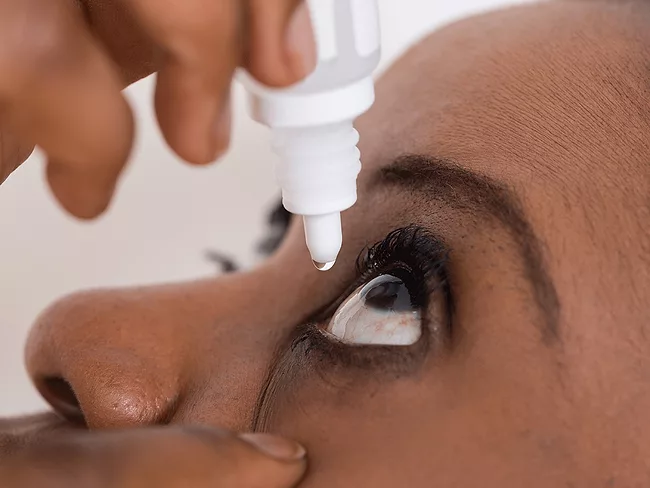
With the U.S. FDA’s approval of Lenz Therapeutics Inc.’s Vizz (aceclidine ophthalmic solution), there is a third eye drop on the market for treating presbyopia. Vizz, however, is the first aceclidine-based eye drop for adults.
The U.S. FDA has cleared Actio Biosciences Inc.’s IND application and granted fast track designation to ABS-1230, an expected first-in-class, orally administered small-molecule KCNT1 inhibitor, for the treatment of KCNT1-related epilepsy.
The U.S. Federal Trade Commission announced a $14.6 million grant it received for an upgrade of its IT infrastructure. The same grant mechanism is leveraged by the Department of Justice, which is a clear sign that U.S. enforcement will be more vigorously enabled by sophisticated analytics going forward.
The news that Vinay Prasad has stepped down as CBER director at the U.S. FDA had some biotech stocks literally jumping in joy as the market opened July 30. Meanwhile, Prasad’s decisions regarding vaccine development, as well as actions by Makary and HHS Secretary Robert Kennedy, are coming under fire.
Radiopharm Theranostics Ltd. announced that the U.S. FDA has cleared the IND application for betabart (RV-01), its Lu177-B7H3 monoclonal antibody designed with strong affinity for the 4Ig isoform of B7-H3 that is highly expressed in tumors and not in healthy tissues.
 RSS
RSS