Erasca Inc. has obtained IND clearance by the FDA for ERAS-4001, an oral selective pan-KRAS inhibitor, for the treatment of patients with KRAS-mutant solid tumors.
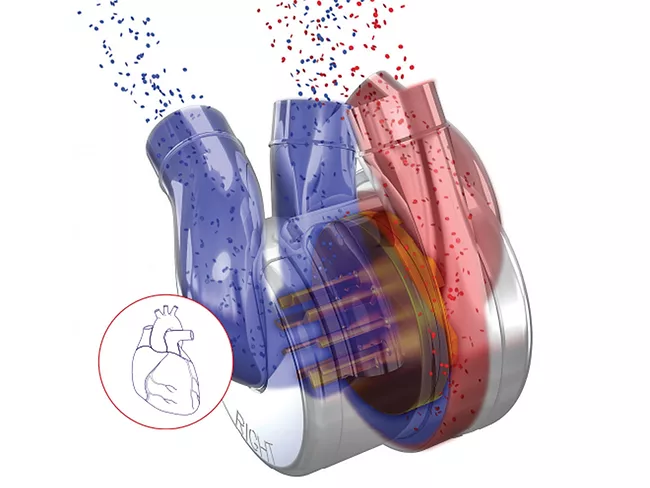
The U.S. FDA’s decision to grant breakthrough device designation for Bivacor Inc.’s titanium total artificial heart (TAH) sent real hearts aflutter at the Huntington, Calif.-based company’s headquarters. While the designation supports use of the TAH as a bridge to transplant for adults with biventricular or univentricular heart failure for whom current options are insufficient or unsuitable, Bivacor hopes its device will eventually serve as a long-term heart replacement.
The Trump administration released its budget proposal for fiscal year 2026, which would chop roughly 40% from the NIH budget over the current fiscal year — a proposal that might not find much support on Capitol Hill.
The U.S. FDA declined to appeal the outcome of a lawsuit eviscerating the agency’s final rule for regulation of lab-developed tests despite a 60-day window to do so.
Shanghai Circode Biomed Co. Ltd. has obtained IND clearance from the FDA for HM-2002 for ischemic heart disease. It previously received IND clearance in China in January this year.
CSPC Pharmaceutical Group Ltd. on May 30 disclosed that the company was engaged in ongoing negotiations with unnamed, independent third parties regarding three license deals and collaborations that could total up to $5 billion combined.
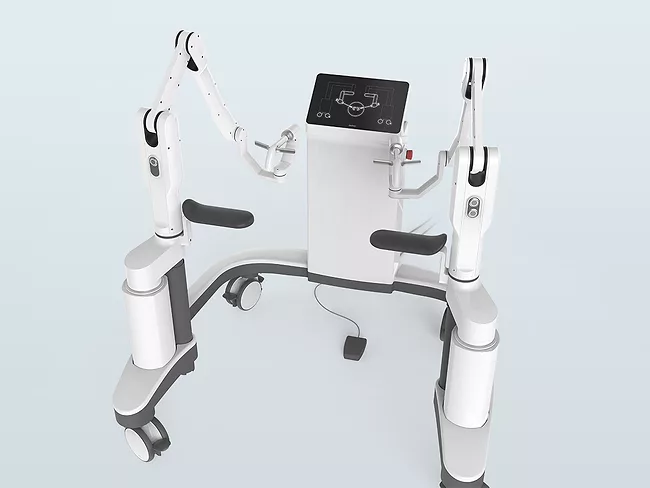
The U.S. FDA granted 510(k) clearance to Distalmotion SA's Dexter, its surgical robotic system, for use in cholecystectomy in adults. The greenlight from the regulatory body is the second nod Dexter has received following de novo clearance granted in 2024 for use in inguinal hernia repair.
The U.S. FDA’s device guidance drought ended with the issuance of one draft and one final guidance, the latter of which deals with the Q-sub program for early interaction with sponsors of device applications. Per a request by industry, the agency indicated it is amenable to including FDA policy staff during these meetings, which may help to avoid surprises in premarket applications.
Daiichi Sankyo Co. Ltd. and Merck & Co. Inc. have voluntarily pulled the BLA for accelerated approval tied to their HER3-directed antibody-drug conjugate (ADC) in treating EGFR-mutated non-small-cell lung cancer. The partnership in the expanding ADC space began nearly two years ago in a $22 billion deal.
Developing a therapy for an ultra-rare condition has its challenges, including finding enough patients for clinical enrollment and convincing regulatory authorities that limited data prove the candidate is safe and effective. For that reason, Stealth Biotherapeutics Inc. has faced numerous roadblocks getting its mitochondria-targeting elamipretide across the finish line for Barth syndrome, a condition that affects about 230 to 250 males worldwide, including fewer than 150 in the U.S.
 RSS
RSS