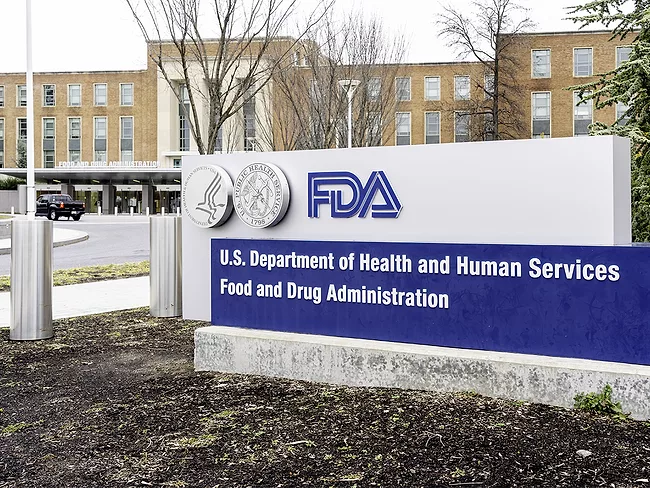
With artificial intelligence (AI) becoming more and more common in drug development since 2016, the U.S. FDA is now issuing its first draft guidance on that use. The “FDA recognizes the increased use of AI throughout the drug product life cycle and across a range of therapeutic areas. In fact, CDER has seen a significant increase in the number of drug application submissions using AI components over the past few years,” a CDER spokesperson told BioWorld. “These submissions traverse the drug product life cycle, which includes nonclinical, clinical, postmarketing and manufacturing phases.”
For more than a decade, HIV remained the only sexually transmitted infection (STI) with U.S. FDA approval of at-home sample collection, but a growing number of tests for sexually transmitted infections have received the regulatory greenlight for patients to swab themselves in the privacy of their own homes in recent years. With STIs reaching levels not seen in decades, regulators and physicians hope that the move will increase diagnostic rates and reduce disease spread by overcoming stigma and access barriers.
Some people may have seen 2024 as the year of artificial intelligence (AI) in med tech, but the FDA is off to a strong start in 2025 with a dual-purpose AI draft guidance. While the draft covers both premarket submissions and life cycle management considerations, the more important consideration is that the FDA’s centers for devices, drugs and biologics have all signed off on the draft, suggesting an agency-wide convergence in thinking about AI.
As investors and industry alike try to read the tea leaves of what the upcoming change in administrations holds for the U.S., speculation abounds about what Trump 2.0 will mean for the biopharma and med-tech spaces.
The device industry is extraordinarily dependent on administrative activity where Medicare coverage is concerned, and this was exceptionally evident in 2024 when software and digital health coverage policies remained bogged down.
2024 was a critical year for the FDA’s Center for Devices and Radiological Health and included a smooth transition in leadership, but it was not without controversy. The agency triggered not one but two lawsuits over the final rule for regulation of lab-developed tests, a problem that promises to distract the agency throughout 2025 and potentially beyond.
The U.S. FDA’s draft guidance for reporting of deviations from clinical study protocols lends some insight as to the definition of a deviation, but the agency highlights some concerns about related compliance activities.
Artificial intelligence (AI) is no novelty for medical technology, but 2024 saw an interesting series of events in this area from across the globe. While some of these developments portend immediate regulatory clarity, some are harbingers of continued regulatory flux in 2025 and beyond.
The U.S. FDA has issued a second report in connection with device software functions, which includes surveillance data for clinical decision support (CDS) tools. While the report lists three events that qualify as adverse events, the FDA offered no information that would provide an adverse event rate for CDS products.
Sequana Medical NV received premarket approval from the U.S. FDA for its Alfapump system to treat recurrent or refractory ascites due to liver cirrhosis. Data from the Poseidon pivotal study showed the implantable device, which removes ascites from the abdomen into the bladder, can eliminate the need for therapeutic paracentesis, improving the quality of life of patients.
 RSS
RSS