An alleged coverup of NIH-funded gain-of-function research at China’s Wuhan Institute of Virology has led to criminal charges against a former career scientist and top aide to Tony Fauci, the head of the National Institute of Allergy and Infectious Diseases in the time of the COVID-19 pandemic.
The U.S. FDA sent out a friendly reminder to more than 2,200 sponsors and researchers, associated with more than 3,000 clinical trials, who may be delinquent in disclosing the results of those studies on clinicaltrials.gov.
A five-year reauthorization of the U.S. Small Business Innovation Research (SBIR) and Small Business Technology Transfer programs is just the president’s signature, or a few days, away.
NIH Director Jay Bhattacharya is being fact-checked on his off-the cuff responses at a Senate Health, Education, Labor and Pensions Committee hearing in February. The fact-checkers are nine Democratic lawmakers from Massachusetts, only one of whom (Sen. Ed Markey) is on the committee and attended the hearing. In fact, seven of those signing the March 17 letter that questioned Bhattacharya’s veracity aren’t senators. They serve in the House.
In what the U.S. FDA has dubbed a milestone move toward fewer animal studies in drug development, the agency published a draft guidance to help sponsors validate new approach methodologies that can bring safe, effective drugs to market sooner based on human-centric data rather than starting off with nonclinical animal pharmacology and toxicology data.
In what the U.S. FDA has dubbed a milestone move toward fewer animal studies in drug development, the agency published a draft guidance to help sponsors validate new approach methodologies that can bring safe, effective drugs to market sooner based on human-centric data rather than starting off with nonclinical animal pharmacology and toxicology data.
Driven by prescription drug prices and oft-repeated claims that nearly every drug developed in the U.S. owes its origins to taxpayer-funded research, watchdog groups and some lawmakers have led demands over the years for price to be considered a “reasonableness” factor in determining whether the government can march in on patents under the Bayh-Dole Act.
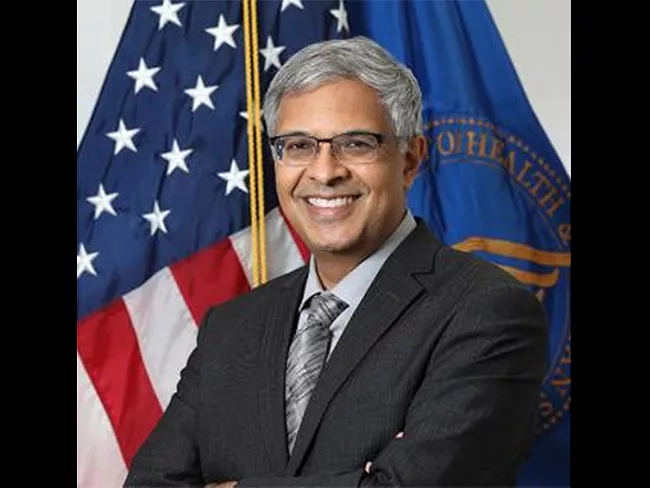
U.S. NIH Director Jay Bhattacharya will be a lot busier in the days and weeks ahead. As if helming the NIH isn’t enough, Bhattacharya has been tapped to also serve as acting director of the CDC, an administration official confirmed to BioWorld.
More than a decade after it was first proposed, the U.S. Precision Medicine Initiative that grew into the NIH’s All of Us dataset has reached its target of collecting genetic and health-related data from 1 million Americans representative of the diversity across the country.
Citing an increase in safety events and evidence of futility, the U.S. NIH stopped an investigational low-dose rivaroxaban arm of its Comparison of Anticoagulation and Antiplatelet Therapies for Intracranial Vascular Atherostenosis (CAPTIVA) trial.

 RSS
RSS