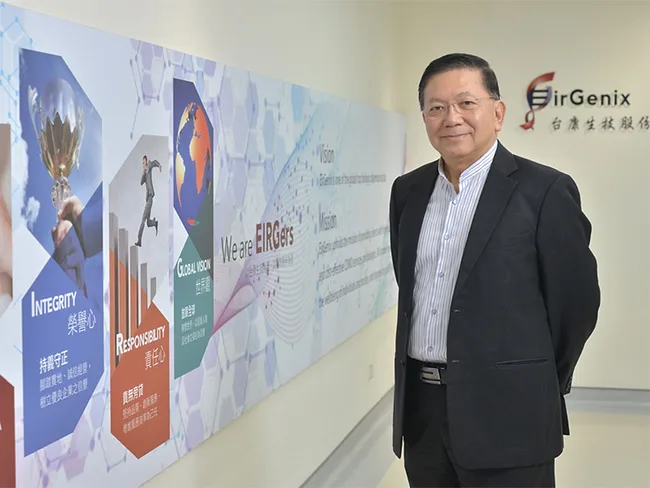
Taiwan’s biotechnology sector was built around domestic health needs, including vaccines and drug manufacturing, but it is increasingly looking outward – to international partnerships, licensing, clinical development and a bigger role in the global biomedical ecosystem.
Taiwan’s biotechnology sector was built around domestic health needs, including vaccines and drug manufacturing, but it is increasingly looking outward – to international partnerships, licensing, clinical development and a bigger role in the global biomedical ecosystem.
In a little more than a month, 17 big biopharma companies will be subject to U.S. President Donald Trump’s long-promised section 232 global biopharma sector tariff. But instead of paying the 100% duty on imported patented drugs and their key ingredients, most of those companies, if not all, will pay much reduced rates or no tariff at all, based on where the imports are coming from, what type of drug is being imported, and whether the companies have signed onshoring and most-favored-nation pricing agreements with the administration.
Of all the issues that could be on the table at the talks between U.S. President Donald Trump and China President Xi Jinping, the life sciences sector is the “sweet spot” for collaboration between the two countries in a way that would benefit the world, Sen. Thom Tillis, R-N.C., said in a Brookings Institution webinar in advance of the two-day summit that starts May 14.
Of all the issues that could be on the table at the talks between U.S. President Donald Trump and China President Xi Jinping, the life sciences sector is the “sweet spot” for collaboration between the two countries in a way that would benefit the world, Sen. Thom Tillis, R-N.C., said in a Brookings Institution webinar in advance of the two-day summit that starts May 14.
It’s a sure bet when the U.S. Trade Representative releases its annual Special 301 Report that Chile, China, India, Indonesia, Russia and Venezuela will be on the Priority Watch List. The 2026 report was no exception.
Companies seeking a break in the soon-to-be-implemented U.S. Section 232 biopharma tariffs have 30 days to apply for a company-specific onshoring agreement with the Department of Commerce, according to the procedures the department laid out in a notice to be published in the May 13 Federal Register.
It’s a sure bet when the U.S. Trade Representative releases its annual Special 301 Report that Chile, China, India, Indonesia, Russia and Venezuela will be on the Priority Watch List. The 2026 report was no exception.
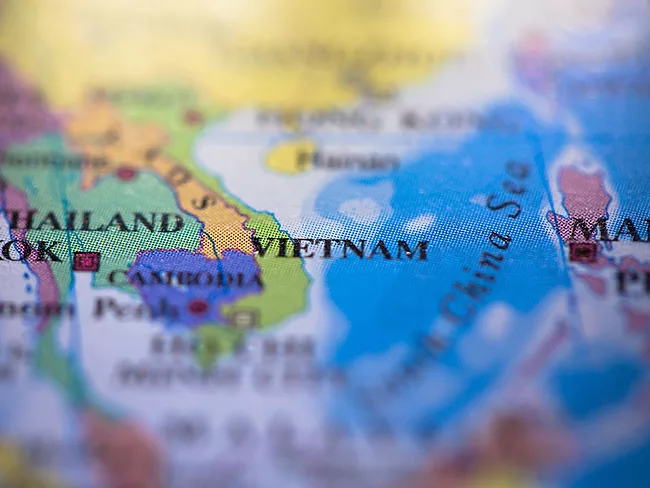
For the first time in 13 years, the U.S. Trade Representative (USTR) singled out one of the U.S. trading partners as the worst of the worst when it named Vietnam as a Priority Foreign Country (PFC) in its newly released Special 301 Report.
Amid calls for transparency on the most-favored nation (MFN) pricing deals U.S. President Donald Trump has reached with 17 biopharma companies, the White House Council of Economic Advisers released a report May 5 detailing how the volunteer MFN policy works and touting the $530 billion-plus in savings it’s projected to deliver over the next 10 years.
 RSS
RSS