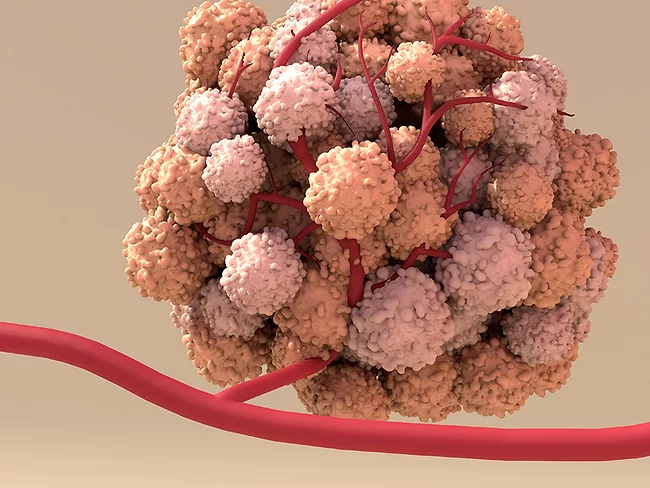
Calidi Biotherapeutics Inc. recently presented data regarding CLD-401 as an immunotherapeutic approach developed using the Redtail gene therapy platform. This platform uses a tumor-specific, replicating enveloped vaccinia virus that expresses a chimeric form of CD55 to allow complement and neutralizing antibody resistance, as well as systemic administration.
Researchers from Specally (Wuhan) Life Technology Co. Ltd. have disclosed the discovery and preclinical profile of WWZ-11-098, a non-palbociclib-based, selective cyclin-dependent kinase 6 (CDK6) degrader in models of leukemia.
STAT3 promotes cancer cell survival and supports microtubule-mediated mitotic processes, making combined STAT3 inhibition and microtubule targeting a rational strategy to suppress tumor growth and overcome therapy resistance.
Researchers from the Innovation Program of Drug Research on Inflammatory and Immune Diseases at NMPA Key (China) and collaborators aimed to further investigate the impact of Src homology phosphatase 2 (SHP2) on breast cancer-induced bone destruction.
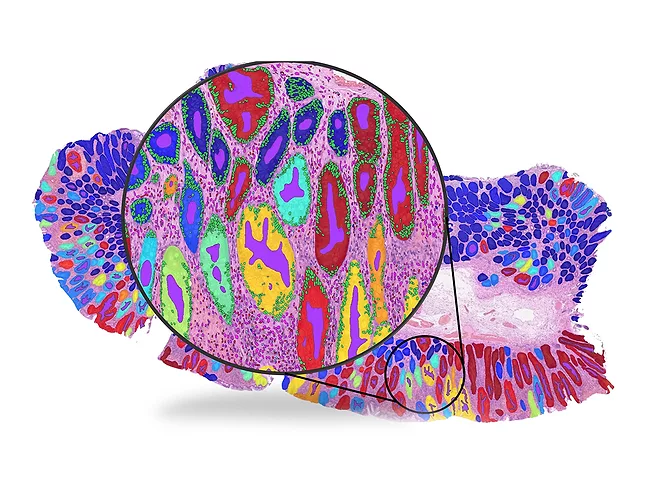
Computational pathology, which assesses molecular-level features of diseases directly from tissue images (rather than testing the tissue via methods such as staining or sequencing) is making rapid strides.
Therapex Co. Ltd. has identified pyrimidine derivatives acting as EGFR (HER1; erbB1) mutant inhibitors described as potentially useful for the treatment of cancer.
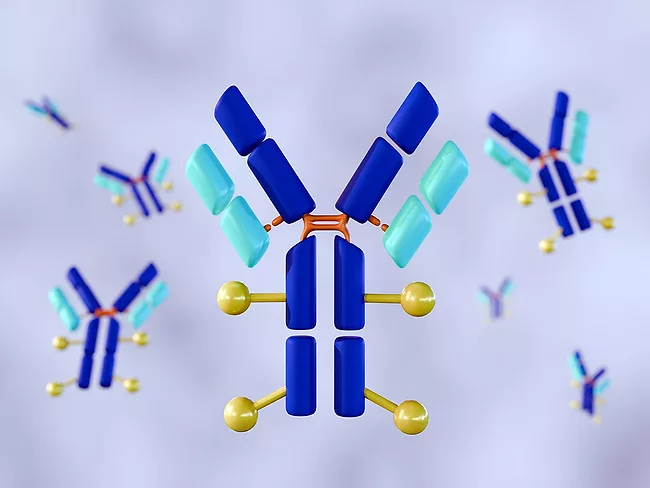
Researchers from Sutro Biopharma Inc. presented data on dual-payload antibody-drug conjugates (ADCs) engineered to overcome drug resistance, demonstrating enhanced cytotoxicity and potential efficacy in resistant cancer models.
Mitogen-activated protein kinase kinase kinase kinase 1 (HPK1) is a serine/threonine protein kinase that is expressed in the hematopoietic compartment, exerting regulatory functions in myeloid and innate immune cells. It has been associated with decreased T-cell activation and proliferation.

 RSS
RSS