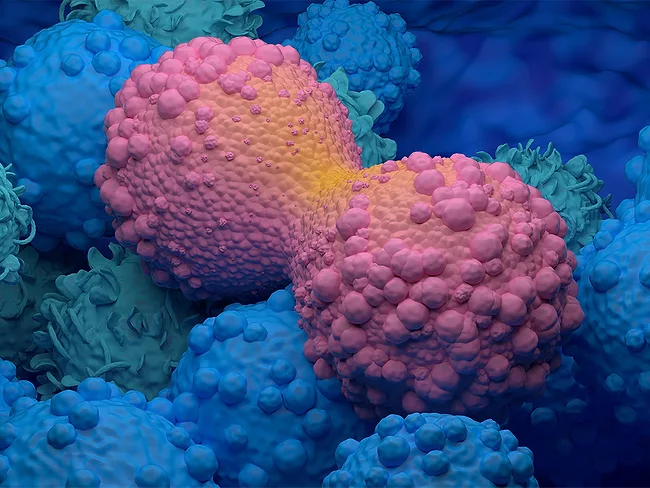
A recent study assessed the applicability of McERV-pseudotyped lentiviral vector particles (McERV-PTLVs) to target cancer cells of glial or neuronal origin.
Augustine Therapeutics NV has divulged thiomethyl carbonyl compounds acting as histone deacetylase 6 (HDAC6) and/or HDAC1 and/or HDAC3 inhibitors. They are reported to be useful for the treatment of inflammatory disorders, autoimmune disease, cancer, neurodegeneration, pain, neuropathy, psychiatric and cardiovascular disorders.
Asieris Pharmaceuticals Co. Ltd. and Shanghai Yahong Meditech Co. Ltd. have discovered new poly(ADP-ribose) glycohydrolase (PARG) inhibitors potentially useful for the treatment of cancer.
Researchers from Jiangsu Ocean University reported the synthesis and preclinical evaluation of novel derivatives of SKF-83566, a selective D1 receptor antagonist widely used in dopamine signaling research.
Almirall SA has nominated LAD-116 as a novel therapy targeting non-melanoma skin cancer for further development in IND-enabling studies. LAD-116 is based on collaborator Etherna Immunotherapies NV’s intratumoral mRNA/lipid nanoparticle (LNP) platform.
CD137 is a potent immune costimulatory receptor that promotes T-cell activation and enhances antitumor immune responses. However, systemic activation of CD137 can result in excessive immune stimulation and associated safety risks, such as hepatotoxicity, limiting its clinical use.
Apmonia Therapeutics SAS, the Centre National de la Recherche Scientifique and the Université de Reims Champagne Ardenne have disclosed LRP1-derived polypeptides acting as cathepsin D (CTSD) inhibitors.
In a recent study, researchers from Stony Brook University Renaissance School of Medicine and Cold Spring Harbor Laboratory investigated whether in vivo targeting of gastrointestinal tissues via foodborne delivery of Lm-based cancer vaccines could control tumor growth in murine models of colorectal cancer.
 RSS
RSS