Mabwell (Shanghai) Bioscience Co. Ltd.’s has announced IND acceptance by China’s National Medical Products Administration (NMPA) for the company’s LILRB4/CD3 T-cell engager bispecific antibody 6MW5311. The drug candidate is being developed for hematologic malignancies, specifically acute myeloid leukemia (AML), chronic myelomonocytic leukemia and multiple myeloma.
BMAL1 expression is tied to important cellular processes, including cell proliferation, migration, cell cycle and DNA damage repairing. There is increasing evidence that it regulates the expression of various oncogenes and tumor-suppressor genes in cancer cells. Researchers hypothesized that modulating BMAL1 expression could be a new therapeutic approach for treating cancer, such as triple-negative breast cancer (TNBC).
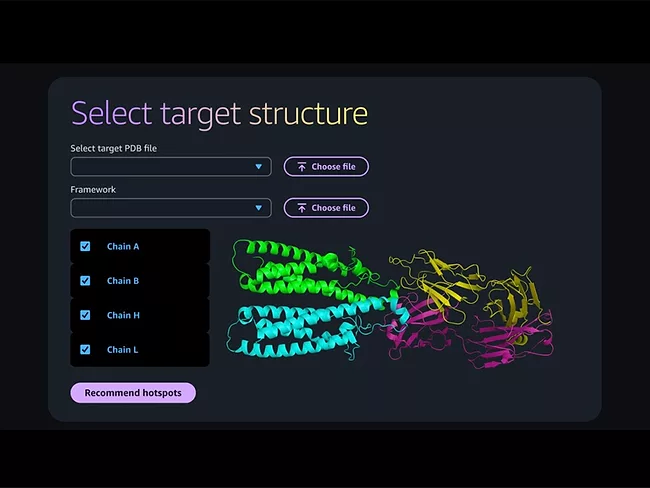
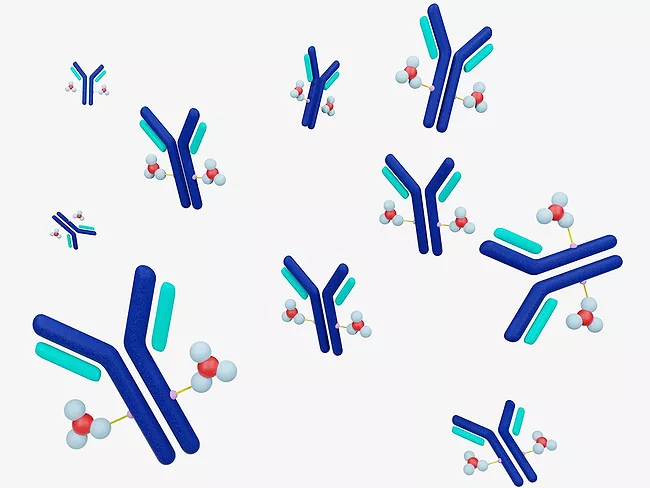
Amazon is extending the reach of its “everything store” into drug R&D with the launch of an artificial intelligence-powered Bio Discovery business. The company has compiled a catalogue of 40-plus foundation models that have been trained on extensive biology datasets and are able to generate and evaluate drug molecules in silico. For now, this covers antibodies only, but it is intended to move into other modalities.
Jiangsu Hengrui Pharmaceuticals Co. Ltd. has patented new proteolysis targeting chimera (PROTACs) compounds comprising an E3 ubiquitin ligase-binding moiety covalently linked to cyclin-dependent kinase 7 (CDK7) targeting moiety potentially useful for the treatment of cancer, inflammatory and autoimmune diseases.
Arvinas Inc. has identified new proteolysis targeting chimeras (PROTACs) comprising an E3 ubiquitin ligase coupled to a mitogen-activated protein kinase kinase kinase kinase 1 (MAP4K1; HPK1; MEKKK1)-targeting moiety acting as HPK1 degradation inducers designed for use in the treatment of cancer.
The discovery and development of new histone lysine acetyltransferase KAT6 inhibitors is a significant advancement in the management of breast cancer. Investigators from Olema Pharmaceuticals Inc. and Aurigene Oncology Ltd. recently presented data for their KAT6 inhibitor, OP-3136, as an approach for breast cancer.
Microtubule-associated serine/threonine kinase-like protein (MASTL) is a key regulator of mitotic progression and cell-cycle control. Researchers from the Korea Institute of Radiological and Medical Sciences reported the preclinical efficacy of MKI-3, a selective MASTL inhibitor.
Glyconex Inc. has received approval from Japan’s Pharmaceuticals and Medical Devices Agency (PMDA) for the initiation of a first-in-human phase I trial of GNX-1021, the company’s lead antibody-drug conjugate (ADC) candidate, in patients with advanced gastrointestinal (GI) cancers.
While most human papillomavirus (HPV) infections are cleared by the host immune system, persistent infection with high-risk HPV genotypes, particularly HPV16 and HPV18, can promote cervical cancer development. Researchers from Huazhong University of Science and Technology reported the development and preclinical characterization of KDTV-001, an HPV vaccine comprising a nonreplicating adenovirus type 5 vector encoding a codon-optimized fusion protein of the early antigens E6 and E7 derived from HPV genotypes 16, 18 and 52.
 RSS
RSS