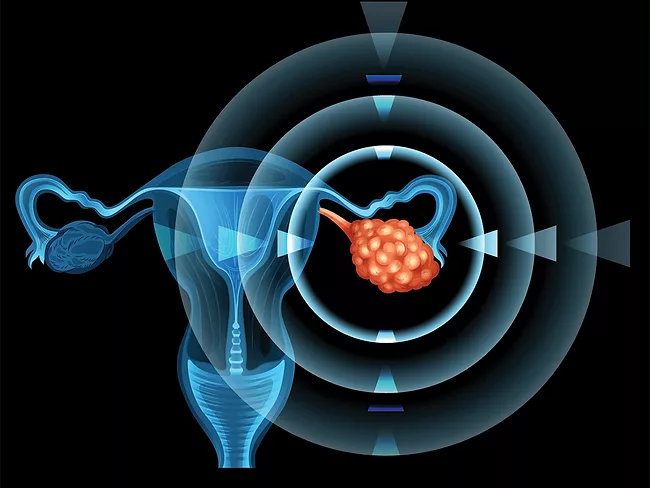
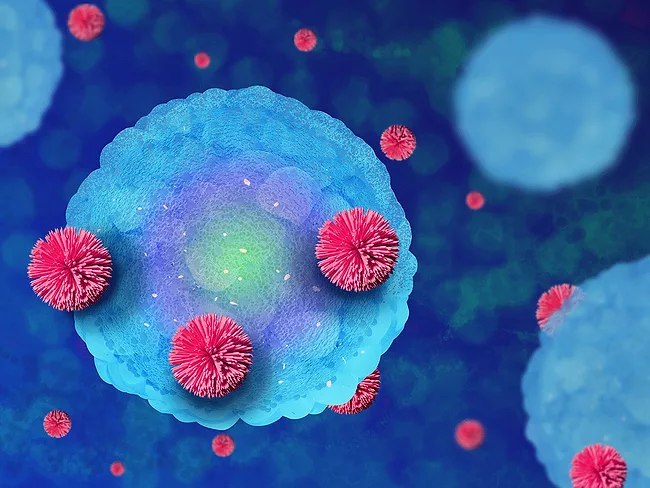
Overt Bio Inc. is advancing lead asset OVT-101 toward the clinic. The allogeneic, potential first-in-class, off-the-shelf γδ CAR T therapy targets claudin-6, which is present in the majority of ovarian cancers and several other solid tumors.
Glyconex Inc. has entered into a collaboration agreement with Nippon Kayaku Co. Ltd. to advance GNX201-ADC, a next-generation glycan-directed antibody-drug conjugate (ADC) candidate for the treatment of solid tumors.
Sichuan Kelun-Biotech Biopharmaceutical Co. Ltd. has announced IND approval by China’s National Medical Products Administration (NMPA) for SKB-103 for the treatment of advanced solid tumors.
Ewha Womans University has identified new imidazopyridine or imidazopyrazine derivatives acting as Bruton tyrosine kinase (BTK) inhibitors potentially useful for the treatment of cancer and autoimmune disease.
Daiichi Sankyo Co. Ltd. has disclosed new proteolysis targeting chimera (PROTAC) compounds comprising an E3 ubiquitin ligase-binding moiety covalently linked to a steroidogenic factor 1 (SF-1)-targeting moiety. They are reported to be potentially useful for the treatment of primary aldosteronism, Cushing syndrome and cancer.
Hangzhou Innogate Pharma Co. Ltd. and Innorace Biopharma Co. Ltd. have synthesized new peroxisome proliferator activated receptor γ (PPARγ) inverse agonists reported to be useful for the treatment of cancer.
Shanghai Qilu Pharmaceutical Research and Development Centre Ltd. has patented new probable global transcription activator SNF2L2 (SMARCA2; BAF190B; SNF2-α) inhibitors reported to be useful for the treatment of cancer.
Medullary thyroid carcinoma (MTC) is a rare, often aggressive, neuroendocrine thyroid tumor with limited targeted treatment options, arising from calcitonin-producing C cells and sometimes associated with RET mutations. Researchers from the Mayo Clinic reported the potential of targeting DLL3 as a therapeutic strategy in MTC.
Treeline Biosciences Inc. has synthesized new proteolysis targeting chimera (PROTAC) compounds comprising an E3 ubiquitin ligase-binding moiety covalently linked to transcriptional enhancer factor TEF (TEAD)-targeting moiety potentially useful for the treatment of cancer.
 RSS
RSS