G1 to S phase transition 1 (GSPT1) is a protein involved in cell cycle progression, translation termination, and protein homeostasis, and its overexpression has been implicated in various cancers. Although GSPT1 is considered a promising therapeutic target, the lack of conventional ligand-binding pockets has historically rendered it undruggable.
IL-2 is clinically validated as an immunotherapeutic, but its use is limited by toxicity issues. AZD-6750 is an approach from Astrazeneca plc that applies cis-guiding to deliver a modified IL-2 mutein to CD8+ T cells.
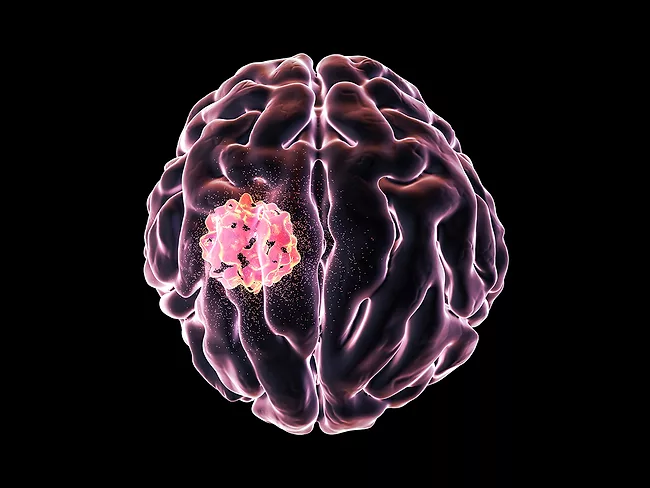
Treatment in glioblastoma usually fails due to tumor heterogeneity and persistence of glioblastoma multiforme stem-like cells (GSCs) within the tumor margin. Researchers from Trogenix Ltd. engineered TGX-007, an AAV1-mediated therapeutic that delivers both cytotoxic and immunomodulatory genetic payloads to the tumor.
Nuage Therapeutics SL has secured €2.7 million (US$3.1 million) in funding from the Spanish State Research Agency (AEI) of the Ministry of Science, Innovation and Universities that will support a research project focused on developing a new drug against the most common subtype of small-cell lung cancer (SCLC-A), in collaboration with the Spanish National Cancer Research Centre (CNIO), the European Molecular Biology Laboratory (EMBL), and the Vall d’Hebron Institute of Oncology (VHIO).
Chia Tai Tianqing Pharmaceutical Group Co. Ltd. has described Werner syndrome ATP-dependent helicase (WRN; RECQ3; RECQL2) inhibitors reported to be useful for the treatment of colorectal cancer.
HER2-targeted antibody-drug conjugates (ADCs) have significantly improved cancer therapy in recent decades. However, ADCs can cause toxicity and resistance, while T-cell engagers (TCEs) show promising antitumor activity in solid tumors but are limited by substantial adverse effects.
Allogeneic CAR T-cell therapy offers several advantages over an individualized autologous CAR T approach, thanks to the use of readily available, higher quality and quantity of starting donor T cells and the potential to generate multiple doses from a single manufacturing process.
Ideaya Biosciences Inc. has received IND clearance from the FDA for the initiation of a phase I trial to evaluate IDE-034, a bispecific B7H3/PTK7 TOP1 antibody-drug conjugate.
Researchers from Synthekine Inc. presented preclinical efficacy data on STK-012, a first-in-class IL-2 partial agonist engineered for preferential binding to the IL-2Rαβγ receptor.
High-grade gliomas, including glioblastomas, are aggressive cancers of the brain that usually recur despite standard treatment, including radiation therapy. These mechanisms conferring persistence to tumor cells may be explained by DNA damage response pathways, especially those relying on ataxia-telangiectasia mutated (ATM) and DNA-dependent protein kinase (DNA-PK), which induce the repair of radiation-induced DNA damage. The effects of the ATM/DNA-PK inhibitor XRD-0394 were evaluated in in vitro models of glioma.
 RSS
RSS