Researchers from Morphic Therapeutic Inc. and affiliated organizations published data from a study that aimed to assess the potential of using arginylglycylaspartic acid (RGD) integrins for the treatment of cardiovascular diseases, such as pulmonary arterial hypertension (PAH).
Heart disease remains the leading cause of death worldwide, and developing new therapeutic approaches constitutes an urgent healthcare priority. Almost one-third of patients surviving myocardial infarction (MI) develop heart failure (HF), in part due to damage caused by the accumulation of dysfunctional mitochondria.
Secondary lymphedema occurs when, after surgery or radiotherapy, the lymphatic system cannot drain interstitial fluid effectively, leading to inflammation and fluid accumulation in the limbs. Previous research has shown that insulin-like growth factor 1 (IGF-1) contributes to the promotion of lymphatic remodeling through IGF-1 receptor (IGF-1R) signaling.
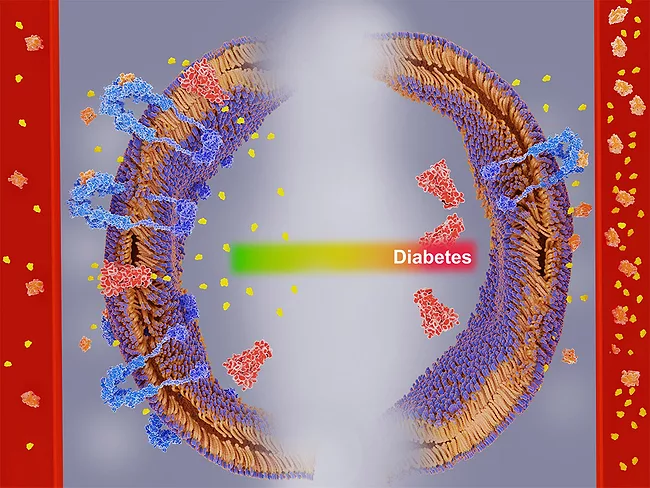
Adrenomedullin, a hormone first identified in an adrenal medullary tumor, disrupts the effect of insulin on the endothelium of blood vessels, leading to insulin resistance linked to obesity and type 2 diabetes. The clue to this discovery lies in a molecular pathway that could be blocked to restore insulin function.
Microglia play a crucial role in neuroinflammation after ischemic brain injury. Previous data have shown that leukocyte immunoglobulin-like receptor B4 (LILRB4) was upregulated in mice after middle cerebral artery occlusion (MCAO), but the role it plays here is not well understood. The role LILRB4 plays in ischemic brain injury was thus investigated. LILRB4 expression was measured in mice at different time points after MCAO.
Early dysfunction of the endothelial/blood-brain barrier (BBB) is involved in the pathogenesis of cerebral small vessel disease (SVD), which is a contributor to about 50% of dementias. Sphingosine-1-phosphate (S1P) is a sphingolipid that regulates the BBB integrity when bound to its receptor S1P1 on endothelial cells.
Researchers from Sun Yat-sen University and affiliated organizations published data from a study that aimed to assess the role of the TNF receptor-associated factor 6 (TRAF6), E3 ubiquitin ligase previously shown to be involved in cardiovascular diseases, in formation of abdominal aortic aneurysm (AAA).
Myocardial infarction remains one of the leading causes of mortality, which is usually complicated by the occurrence of ischemic ventricular arrhythmias, which in turn increase the risk of sudden cardiac death in patients with myocardial infarction.
 RSS
RSS