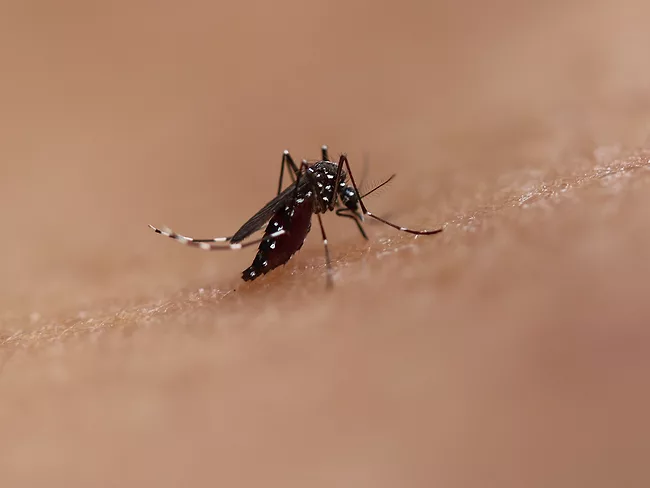
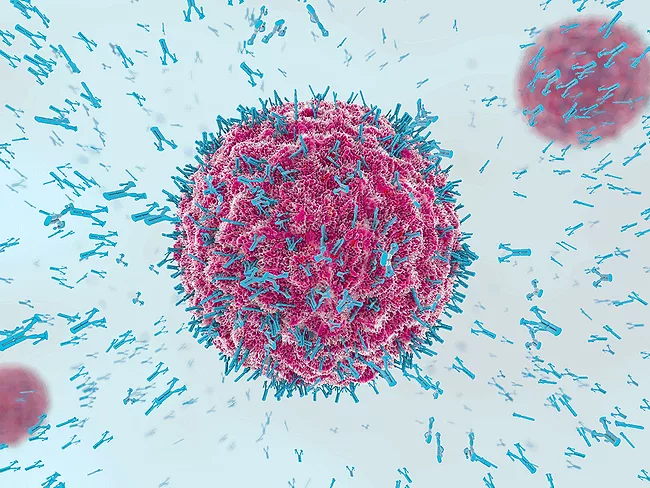
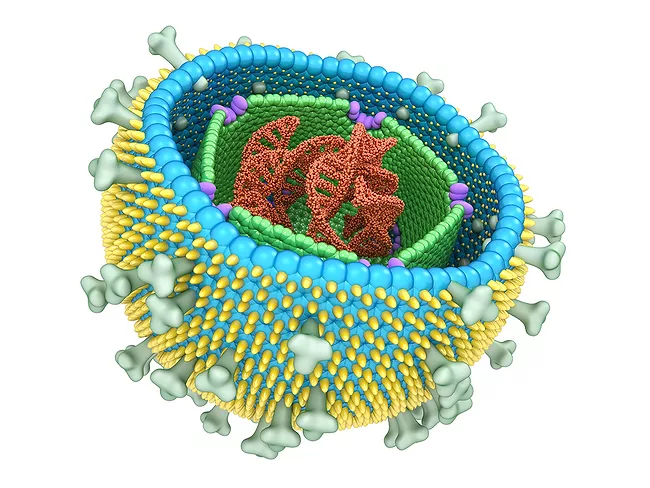
Dengue virus (DENV) is a member of the flavivirus family causing dengue fever, a mosquito-borne disease that can be life-threatening. Despite DENV’s widespread presence in over 80 countries and the significant health burden posed by the infection, there is still a critical need for therapeutics and vaccines, with current treatment options only providing supportive care.
CEPI is partnering with Astrazeneca plc to advance VHH-based multispecific antibodies targeting influenza, while Harbour Biomed Ltd. has entered into a global strategic collaboration with Astrazeneca to discover and develop next-generation multispecific antibodies for immunology, oncology and other diseases.
Multisystem inflammatory syndrome in children (MIS-C), a serious disorder that develops after SARS-CoV-2 infection, could arise from latent infection of another pathogen, the Epstein-Barr virus (EBV). Researchers at Charité – Universitätsmedizin Berlin and the German Rheumatology Research Center (DRFZ) have linked the inflammatory effect of this co-infection with transforming growth factor β (TGF-β), ruling out the possibility that MIS-C is caused by an autoimmune reaction, or persistence of the coronavirus in the body.
Hypothermia is a marker of injury severity in patients with sepsis and shock, and for which debate still exists regarding its harmfulness and need for treatment. Hypothermia is also considered for many a defense mechanism. Animals given bacterial endotoxins usually exhibit cold-seeking behaviors.
Although several vaccines and drugs are available against SARS-CoV-2, the search for effective therapeutic agents for COVID-19 and future zoonotic coronaviruses continues. The RNA-dependent RNA polymerase (RdRp) is a relevant drug target in several RNA viral infections, such as SARS-CoV-2 (targeted by the approved drugs remdesivir and molnupiravir), hepatitis C, influenza and dengue viruses.
Mucormycosis, a fungal infection caused by fungi from the order Mucorales, can cause severe disease, especially in immunocompromised subjects. These fungi are ubiquitous and can be found in environmental sources such as crop residues and soil. Among the multiple factors that increase the risk of mucormycosis infection are immunosuppression and diabetes mellitus.
Although safe and effective vaccines for SARS-CoV-2 have been successfully developed, there are currently no therapeutic approaches available for treating acute infection, particularly for individuals at high risk of severe disease progression, and for preparedness against a potential new coronavirus pandemic.
A combination of Epstein-Barr virus (EBV) antibodies and genetic factors may be linked to an increased risk of multiple sclerosis (MS), according to a study led by scientists at Karolinska Institutet and Stanford University. “The Epstein-Barr virus has been a suspect for many years for having a role in causing MS. The evidence for it has increased though one has not really reached complete proof of its role,” Tomas Olsson told BioWorld.
 RSS
RSS