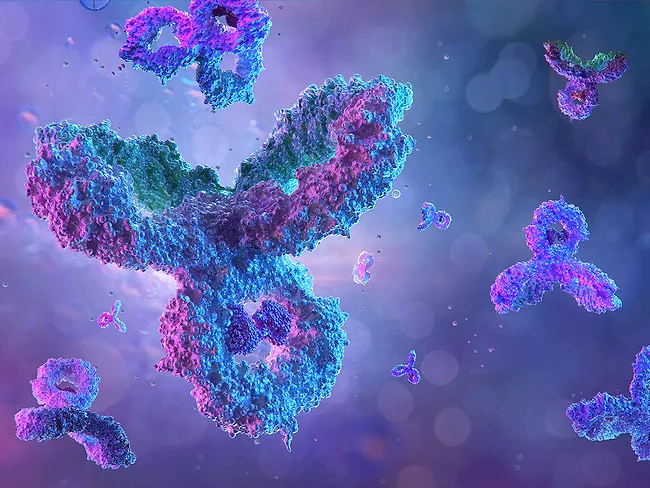
Researchers from Mount Sinai Center for Translational Medicine and Pharmacology at Icahn School of Medicine at Mount Sinai and colleagues have developed a therapeutic humanized antibody that blocks the action of follicle-stimulating hormone (FSH), a pituitary hormone previously thought to only play a role in fertility.
Aglaeapharma Inc. has described compounds acting as α2-adrenoceptor agonists reported to be useful for the treatment of rhinitis, pain, insomnia, inflammatory disorders, glaucoma, cancer, anesthesia and acute kidney injury, among others.
Aconcagua Bio Inc. has synthesized calcitonin receptor (CALCR; CT-R) and amylin receptor agonists reported to be useful for the treatment of pain, neurodegeneration, metabolic diseases, bone disease, periodontal disease, metabolic dysfunction-associated steatotic liver disease MASLD), osteogenesis imperfecta and cardiovascular disorders, among others.
Shanghai Shenshi Wise Technology Co. Ltd. has disclosed potassium voltage-gated channel subfamily A member 3 (KCNA3; Kv1.3) blockers reported to be useful for the treatment of Alzheimer’s disease, obesity, kidney fibrosis, type 2 diabetes and more.
The regulation of type I interferon (IFN-1) signaling is crucial for fine-tuning the innate immune response to combat pathogens, fight cancer and prevent autoimmune diseases. Disrupted IFN-1 signaling plays a key role in autoimmune and inflammatory diseases. Therefore, understanding how IFN-1 production and signaling are regulated could reveal new approaches for treating conditions driven by this pathway.
Neucore Bio Inc. has received a $350,000 STTR phase I grant from the National Center for Advancing Translational Sciences (NCATS) at the U.S. National Institutes of Health (NIH) to evaluate the company’s targeted exosome platform to deliver an RNA-based therapy to treat Charcot-Marie-Tooth disease type 1a (CMT1A).
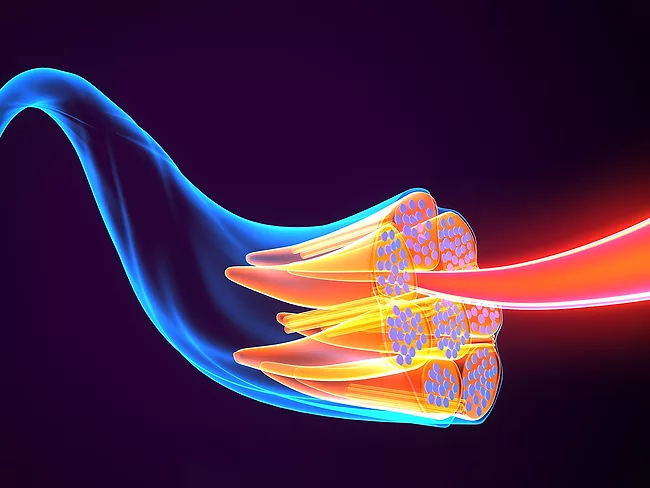
Researchers have identified a potential therapeutic target for muscular dystrophies, a group of genetic disorders characterized by progressive muscle weakness and degeneration. The study reveals that inhibiting the microRNA (miRNA) known as miRNA-33 can significantly improve muscle regeneration and ameliorate the dystrophic phenotype in animal models.
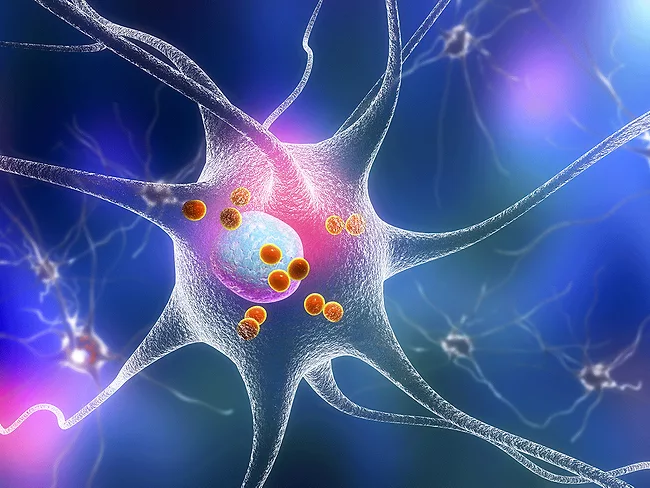
Arrowhead Pharmaceuticals Inc. has announced a global licensing and collaboration agreement with Novartis AG for ARO-SNCA, Arrowhead’s preclinical stage siRNA therapy for the treatment of synucleinopathies such as Parkinson’s disease, and for additional targets.
Shanghai Huilun Pharmaceutical Co. Ltd. has described sodium channel protein type 10 subunit α (SCN10A; Nav1.8) blockers reported to be useful for the treatment of pain, multiple sclerosis, Charcot-Marie-tooth disease and arrhythmia.

 RSS
RSS