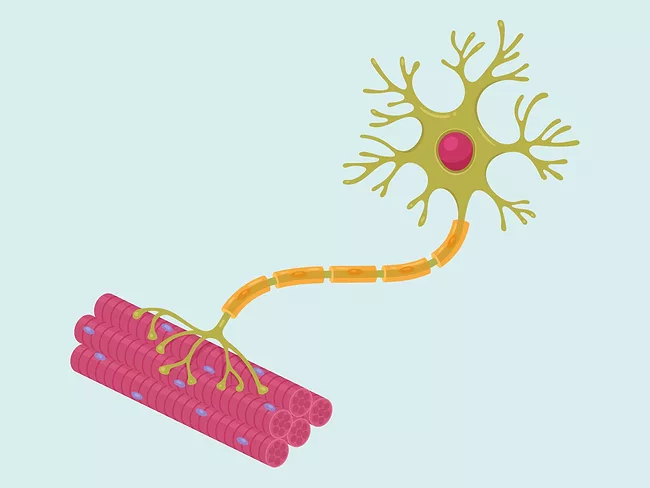
Keros Therapeutics Inc. has presented data regarding their activin receptor ligand trap, RKER-065, for the inhibition of the activin/myostatin signaling axis.
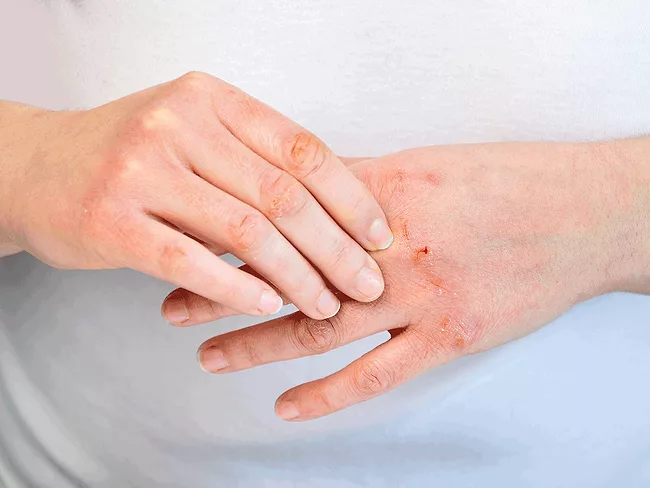
Atopic dermatitis (AD) is an inflammatory skin disease accompanied by pruritus, for which IL-13 and IL-31 are clinically validated targets. Earendil Labs Inc. has developed a bispecific antibody targeting both IL-13 and IL-31, HX-16108, with an extended half-life.
Casma Therapeutics Inc. has been awarded approximately $7.6 million in funding across two competitive grant programs from The Michael J. Fox Foundation for Parkinson’s Research (MJFF) to support Casma’s lead program, CSM-101.
Counterx Therapeutics Inc. has executed an exclusive licensing agreement with the University of Minnesota and the University of Washington for a portfolio of novel monoclonal antibody and vaccine candidates targeting fentanyl and opioid overdose.
Acurastem Inc. has received a two-year research grant from Target ALS to advance therapeutics targeting SYF2, a recently identified regulator of TDP-43 function. TDP-43 dysfunction is a central biological hallmark of amyotrophic lateral sclerosis (ALS).
Friedreich’s ataxia (FA) is an inherited neurodegenerative disorder caused by GAA repeat expansions in the FXN gene, which produces a mitochondrial protein vital for iron-sulfur cluster assembly and energy metabolism. Researchers at Solid Biosciences Inc. presented preclinical data supporting the first-in-human trial on SGT-212 gene therapy in FA models.
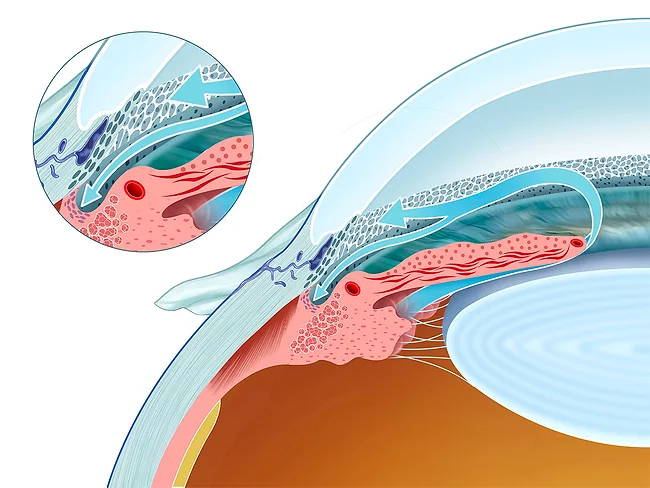
Scientists at Duke University have uncovered how macrophages help maintain intraocular pressure and have found that a specific type, resident macrophages, is essential for proper drainage of intraocular fluid. When these cells are removed, drainage becomes impaired and intraocular pressure rises, contributing to the development of glaucoma.
Nanjing Synnocare Pharmaceutical Technology Co. Ltd. and Shanghai Synnocare Biopharmaceuticals Co. Ltd. have patented ATP-dependent RNA helicase A (DHX9) inhibitors with potential for use in the treatment of cancer, autoimmune and viral infections.
F. Hoffmann-La Roche Ltd. and Hoffmann-La Roche Inc. have synthesized pyridone carboxamide-derived compounds acting as soluble epoxide hydrolase inhibitors. They are reported to be useful for the treatment of diabetic retinopathy, neuropathic pain and neurodegenerative diseases.
Work at Shanghai 3D Medicines Laboratory Co. Ltd. has led to the discovery of new sodium channel protein type 10 subunit α (SCN10A; Nav1.8) blockers designed for use in the treatment of pain.
 RSS
RSS