Although GLP-1 receptor agonists (GLP-1RAs) have significantly advanced obesity treatment, their limitations underscore the need for new therapies that promote weight loss while preserving muscle and supporting metabolic health. Researchers from Rivus Pharmaceuticals Inc. discussed the discovery and preclinical profile of RV-8451, a potentially first-in-class, oral, nonpeptide GLP-1RA.
Calidi Biotherapeutics Inc. has received pre-IND regulatory feedback from the FDA on Calidi’s IND-enabling preclinical plans and clinical strategy for CLD-401. The parties agreed on key aspects of the CMC and nonclinical programs, as well as the overall design for the proposed first-in-human study.
Opus Genetics Inc. is advancing a pipeline of gene therapies to restore vision and prevent blindness in patients with inherited retinal diseases, with three programs expected to enter clinical testing over the next 12-18 months.
Vedana Therapeutics has emerged from stealth with $46 million in series A financing. The company is developing next-generation, preventive therapies for migraine by leveraging pituitary adenylate cyclase-activating polypeptide (PACAP) biology, and highly selective combinatorial targeting of clinically validated pathways.
Arthrogryposis multiplex congenita (AMC) is a group of disorders defined by two or more contractures in different body areas; while genes encoding sarcomeric proteins are usually involved in its pathogenesis, the role of the dystrophin complex is not well studied in AMC. Utrophin, encoded by the UTRN gene, is an important fetal dystrophin homologue and was the focus of a recently presented study.
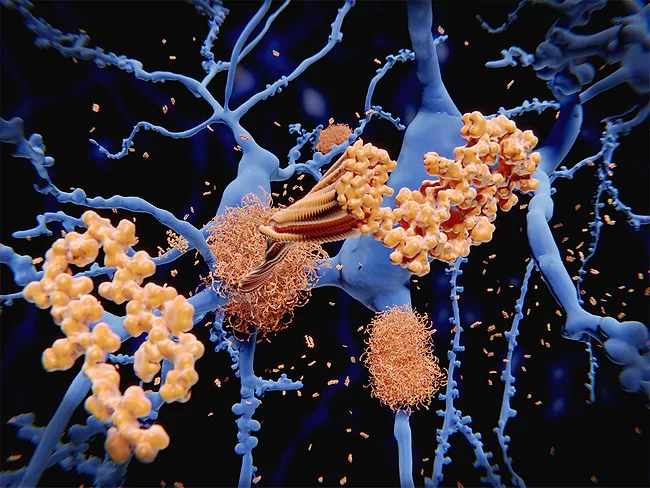
Acumen Pharmaceuticals Inc. has nominated ACU-301 and ACU-401 as development candidates in its Enhanced Brain Delivery (EBD) program as treatments for Alzheimer’s disease.
On the eve of the June 17 Vaccines and Related Biological Products Advisory Committee (VRBPAC) meeting, which will discuss Moderna Inc.’s mRNA-1010, researchers at Washington University School of Medicine in St. Louis have reported that the vaccine conferred broader and more durable protection than a standard flu shot.
Shanghai Huilun Pharmaceutical Co. Ltd. has identified new angiotensin AT2 receptor antagonists potentially useful for the treatment of neuropathic pain.
Chengdu Shibeikang Biological Medicine Technology Co. Ltd. has patented new platelet adhesion inhibitors reported to be useful for the treatment of cardiovascular and cerebrovascular disorders.
A patent from Jiangsu Hengrui Pharmaceuticals Co. Ltd. and Shanghai Hengrui Pharmaceutical Co. Ltd. has divulged new antibody-drug conjugates comprising antibodies covalently linked to N-myristoyltransferase 1 (NMT1) inhibitors for potential use in the treatment of cancer.
 RSS
RSS