Insmed Inc. has described cathepsin C (dipeptidyl peptidase I; DPP-1) inhibitors reported to be useful for the treatment of cancer, liver injury, osteoarthritis, heart failure, inflammatory bowel disease, rheumatoid arthritis, bronchiectasis and chronic obstructive pulmonary disease, among others.
Guangdong Yinzhu Pharmaceutical Technology Co. Ltd. and Guangzhou Yinzhu Biomedical Technology Co. Ltd. have divulged triazole compounds reported to be useful for the treatment of cancer, psoriasis, rheumatoid arthritis and inflammatory bowel disease.
Sunrise Oncology (Hong Kong) Ltd. has synthesized molecular glues acting as GTPase KRAS (and/or its mutant)/RAF proto-oncogene serine/RAF1 interaction inhibitors reported to be useful for the treatment of cancer.
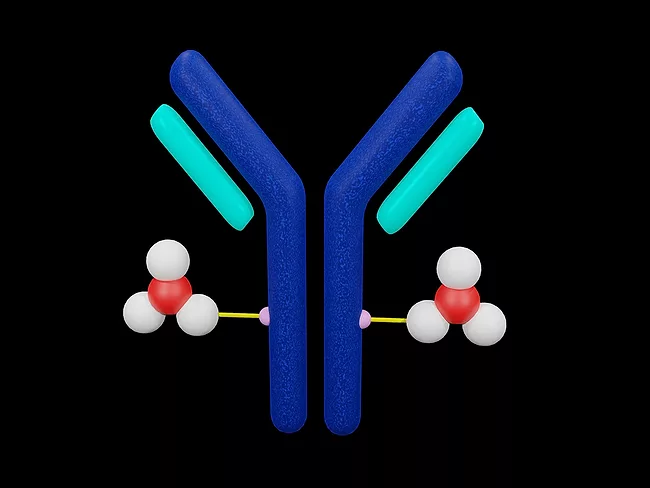
ADAM9 (a disintegrin and metalloproteinase 9) is overexpressed in several gastrointestinal cancers, with expression levels correlating with suppressive tumor microenvironment, metastasis and poor prognosis. DB-1317, under development at Duality Biologics (Suzhou) Co. Ltd., is an ADAM9-targeting antibody-drug conjugate including a topoisomerase inhibitor payload P1003 at a drug-antibody ratio of 8.
Alterations in HER2 are known oncogenic drivers in several solid tumors, including breast, lung and gastric cancers, among others. VRN-101099 is an oral and HER2-selective tyrosine kinase inhibitor developed by Voronoi Inc. that had demonstrated brain permeability and preclinical safety.
KIF18A is a kinesin motor protein that moves toward the plus-end of spindle microtubules during mitosis. Inhibition of KIF18A disrupts spindle microtubule dynamics and chromosome alignment, selectively inducing mitotic catastrophe in chromosomally unstable cancer cells while sparing normal cells.
Manifold Biotechnologies Inc. has signed a strategic research collaboration and license agreement with F. Hoffmann-La Roche Ltd. to develop next-generation brain shuttles for neurological diseases. The collaboration will apply Manifold’s proprietary tissue-targeting shuttle portfolio and mDesign AI-driven in vivo discovery engine.
Innovent Biologics Co. Ltd. presented data for IBI-3034, a chimeric Fc fusion protein comprising transmembrane activator and CAML interactor (TACI) and B-cell maturation antigen (BCMA) for the treatment of autoimmune diseases.

 RSS
RSS