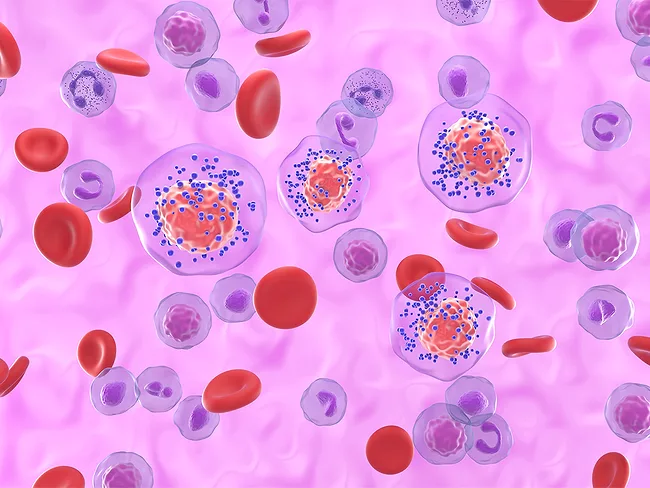
Lung cancer, which often occurs as lung adenocarcinoma, is the leading cause of cancer-related death worldwide. At least 70% of lung adenocarcinoma patients fail to show long-term benefit from immune checkpoint inhibitors, highlighting the need to identify in advance those more likely to benefit.
Researchers continue to search for how they can inhibit cancer metastasis as it can severely worsen prognosis, even if the primary tumor responded well to therapy. Researchers at Università degli Studi di Torino and collaborators previously showed that injecting an RNA aptamer targeting the miRNA miR-214, called anti-miR-214 sponge, reduced metastasis of tumors to lungs and liver. One drawback of this potential therapeutic approach was that the inhibitor oligo could enter all cells, not only tumors.
Triple-negative breast cancer (TNBC) accounts for a substantial proportion of all breast cancers and is the most aggressive form of the disease. Identifying potential therapeutic targets is critical because the cancer does not express the three surface receptors recognized by current targeted therapies.
Mabylon AG has raised a total of CHF30 million (US$37 million) to advance its pipeline and support its work using human-derived, multi-specific antibodies for the treatment of allergies. The funding combines equity investment and a convertible loan.
Sareum Holdings plc has entered into a strategic collaboration with Receptor.AI Ltd. to accelerate the discovery and optimization of blood-brain barrier (BBB)-permeable, isoform-selective TYK2/JAK1 inhibitors. The aim is to generate candidates suitable for preclinical development in neuroinflammatory indications, such as multiple sclerosis and Parkinson’s disease.
Equillium Inc. has entered into a definitive securities purchase agreement with health care investors that will provide up to $50 million in gross proceeds to Equillium. The private placement will enable the company to advance its selective aryl hydrocarbon receptor (AhR) modulator EQ-504 into the clinic.
Francisella tularensis, the causative agent of tularemia, is capable of causing severe illness at extremely low infectious doses through inhalation. No licensed tularemia vaccines exist in most Western countries, and current candidates lack efficacy against pneumonic forms. This highlights an urgent need for more effective vaccine strategies.
Temple University has described compounds acting as antioxidants and nuclear factor erythroid 2-related factor 2 (NFE2L2; NRF2) activators reported to be useful for the treatment of Alzheimer’s disease, Parkinson’s disease, Huntington’s disease, cerebral palsy, epilepsy and multiple sclerosis.
Chengdu Chipscreen Pharmaceutical Ltd. has divulged Werner syndrome ATP-dependent helicase (WRN; RECQ3; RECQL2) inhibitors reported to be useful for the treatment of cancer.
Open Source Therapeutics Co. Ltd. has identified bifunctional epoxide hydrolase 2 (EPHX2; sEH) inhibitors reported to be useful for the treatment of chronic obstructive pulmonary disease (COPD), Alzheimer’s disease, epilepsy, hypertension, psoriasis, rheumatoid arthritis, stroke and ulcerative colitis, among others.
 RSS
RSS