Primary open-angle glaucoma (POAG) is among the leading causes of irreversible blindness. Early detection and treatment are crucial for vision preservation, and research to identify genes associated with POAG is ongoing.
Do men’s and women’s brains age equally? Women are more often diagnosed with Alzheimer’s disease (AD) than men. Age is the primary known risk factor for AD prevalence, and both aging and AD are associated with brain atrophy, but it is still not clear whether men and women differ regarding brain decline in aging. There is mixed evidence regarding this topic, since most of the larger studies have shown an abrupt decay of total gray matter and hippocampal volume in men, but other studies have found steeper total gray matter decline in women.
Dianthus Therapeutics Inc. has joined the recent trend of companies licensing therapies in development from China. The company will pay as much as $1 billion to Nanjing Leads Biolabs Co. Ltd. for DNTH-212, a bifunctional BDCA2 and BAFF/APRIL inhibitor to treat autoimmune disorders. The payment comprises $30 million up front and some near-term milestones, plus an $8 million milestone for getting a phase I study underway. Leads Biolabs is in line to bring in another $962 million in milestones and royalties.
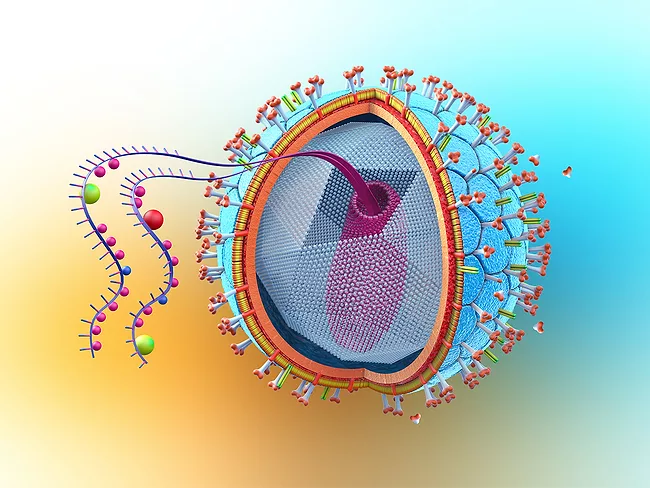
In vaccine development, one might think that targeting multiple epitopes increases the likelihood of improving outcomes. However, when several immunogens are administered together, the immune system does not always generate antibodies against all of them. Two parallel studies have overcome this challenge by using multiple simultaneous immunogens against HIV, effectively triggering various types of broadly neutralizing antibody (bnAb) precursors in two different preclinical animal models.
Beijing Fuyuan Medicine Co. Ltd. has described compounds acting as monocarboxylate transporter 4 (MCT4) inhibitors reported to be useful for the treatment of cancer, asthma, chronic obstructive pulmonary disease (COPD) and idiopathic pulmonary fibrosis.
Nippon Shinyaku Co. Ltd. has divulged quinazoline compounds acting as microsomal prostaglandin E2 synthase-1 (mPGES-1) inhibitors reported to be useful for the treatment of irritable bowel syndrome, psoriasis, arthritis, bacterial infection, systemic lupus erythematosus, pancreatitis, asthma and chronic obstructive pulmonary disease, among others.
Janssen Pharmaceutica NV has identified interleukin-17A (IL-17A)/IL-17 receptor A (IL-17RA) interaction inhibitors reported to be useful for the treatment of psoriasis, rheumatoid arthritis, radiographic axial spondyloarthritis (ankylosing spondylitis), multiple sclerosis, asthma, chronic obstructive pulmonary disease, atopic dermatitis and systemic lupus erythematosus, among others.
McMaster University has synthesized radiolabeled-drug conjugates comprising a glutamate carboxypeptidase 2 (FOLH1; NAALAD1; PSMA)-targeting moiety covalently linked to a DNA intercalating agent through a radiolabeling moiety reported to be useful for diagnosis and treatment of cancer.
Carbonic anhydrase IX (CAIX) is overexpressed in the hypoxic tumor environment and is thought to help drive tumor progression and metastasis by generating protons that acidify the area. Therefore, inhibiting the enzyme may be effective as an anticancer treatment.

 RSS
RSS