Astrazeneca AB has synthesized nicotinamide N-methyltransferase (NNMT) inhibitors reported to be useful for the treatment of chronic kidney disease, acute kidney injury and diabetic nephropathy.
Haisco Pharmaceutical Group Co. Ltd. has prepared and tested glucagon-like peptide 1 receptor (GLP-1R) agonists reported to be useful for the treatment of diabetes and obesity.
Casi Pharmaceuticals Inc. announced the U.S. FDA has cleared its IND application for CID-103, a monoclonal antibody targeting CD-38 for the prevention of antibody-mediated rejection (AMR) of kidney allografts. The company plans to initiate a phase I study in adults with active and chronic active renal allograft AMR.
At the Alzheimer's Association International Conference (AAIC) 2025, researchers from Acadia Pharmaceuticals Inc. have presented novel results on the assessment of the pharmacologic and pharmacokinetic (PK) properties and nonclinical safety of ACP-204.
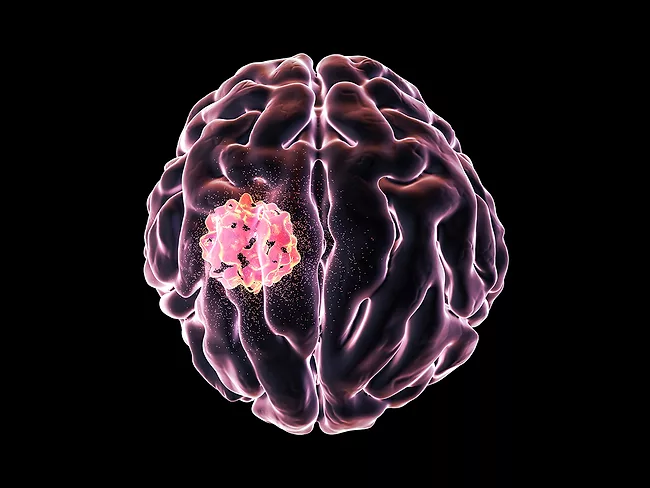
Hemispherian AS has received IND clearance for GLIX-1 for the treatment of glioblastoma from the U.S. FDA. GLIX-1 targets DNA repair mechanisms, specifically the enzyme TET2, selectively in tumor cells while sparing healthy tissues.
Purespring Therapeutics Ltd. has received the go-ahead for a phase I/II trial of its investigational gene therapy PS-002 from both the U.K. Medicines and Healthcare products Regulatory Agency (MHRA) and the National Health Service Health Research Authority and Research Ethics Committee.
Researchers from McMaster University and Espervita Therapeutics Inc. have identified the enzyme ATP citrate lyase (ACLY) as a key metabolic regulator of tumor-immune interactions in hepatocellular carcinoma (HCC) driven by metabolic dysfunction-associated steatohepatitis (MASH).
Subtyping is what made precision medicine in cancer a reality. And for successful drug discovery in all its stages, finding subtypes in Alzheimer’s disease is all but imperative. Prior to the approval of the modestly effective Lequembi (lecanemab, Biogen Inc./Eisai Co. Ltd.) Kisunla (donanemab, Eli Lilly and Co.), and the since-withdrawn Aduhelm (aducanumab, Biogen Inc./Eisai Co. Ltd.), more than a dozen failed phase III clinical trials were all that amyloid-targeting drugs had to show for themselves for decades of effort.

 RSS
RSS