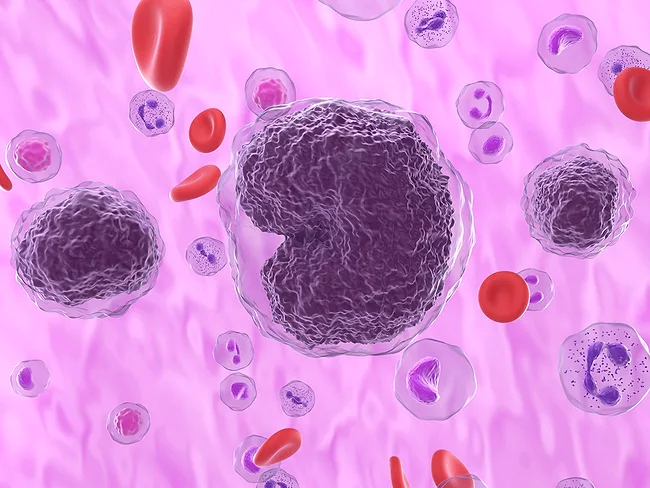
Taiho Oncology Inc., Taiho Pharmaceutical Co. Ltd. and Araris Biotech AG have announced completion by the FDA of the IND review period for ARC-02, enabling initiation of a phase I trial by Taiho Oncology.
CARB-X (Combating Antibiotic-Resistant Bacteria Biopharmaceutical Accelerator) is awarding US$2.6 million to Adjane Holding BV to advance the development of a vaccine candidate to prevent infections caused by Neisseria gonorrhoeae.
Fathom Therapeutics, formerly Atommap Corp., has raised $47 million in an oversubscribed series A financing to advance its work using physics-based simulations and AI to model protein motion and interactions at atomic resolution.
Researchers from Genfleet Therapeutics (Shanghai) Co. Ltd. reported the preclinical profile of GFH-276, a molecular glue designed to function as a pan-RAS(ON) inhibitor.
A major challenge in tissue engineering is not only achieving the correct cellular organization of an engineered tissue, but also expanding it to a clinically useful size after implantation. Researchers from the Wyss Institute at Harvard University have developed a synthetic biology platform that genetically programs tissues to grow large organ implants on demand. Building on a 2017 study suggesting engineered liver tissues could respond to regenerative signals released after injury, the researchers set out to identify and harness those cues.
“If we could figure out what those signals were, we could synthetically drive these factors locally in an implant to control its growth ourselves,” first author Amy Stoddard told BioWorld. Stoddard is a postdoctoral researcher at the Wyss Institute.
F. Hoffmann-La Roche Ltd. and Hoffmann-La Roche Inc. have prepared and tested new compounds acting as triggering receptor expressed on myeloid cells 2 (TREM2) agonists. As such, they are believed to be potentially useful for the treatment of rheumatoid arthritis, amyotrophic lateral sclerosis, frontotemporal dementia, multiple sclerosis, prion disease, stroke, Parkinson's and Alzheimer's disease.
Pfizer Inc. has patented new gastric inhibitory polypeptide receptor (GIPR) antagonists reported to be potentially useful for the treatment of type 2 diabetes and obesity.
A recent Ensem Therapeutics Inc. patent details the discovery of tricyclic derivatives acting as GTPase KRAS (mutant) inhibitors for use in the treatment of cancer.
Codeable Therapeutics Inc. has developed new antibody-drug conjugates comprising an antibody covalently linked to a cytotoxic drug for potential use in the treatment of cancer.
Work at Crinetics Pharmaceuticals Inc. has led to the identification of new thyroid-stimulating hormone (thyrotropin) receptor (TSHR) antagonists designed for use in the treatment of hyperthyroidism.
 RSS
RSS