Janssen Pharmaceutica NV has identified new endosomal/lysosomal proton channel TMEM175 activators that are potentially useful for the treatment of Parkinson’s disease.
Lysoway Therapeutics Inc. has been awarded an additional research grant from The Michael J. Fox Foundation for Parkinson’s Research (MJFF) to support development of its TMEM175 agonist program for Parkinson’s disease.
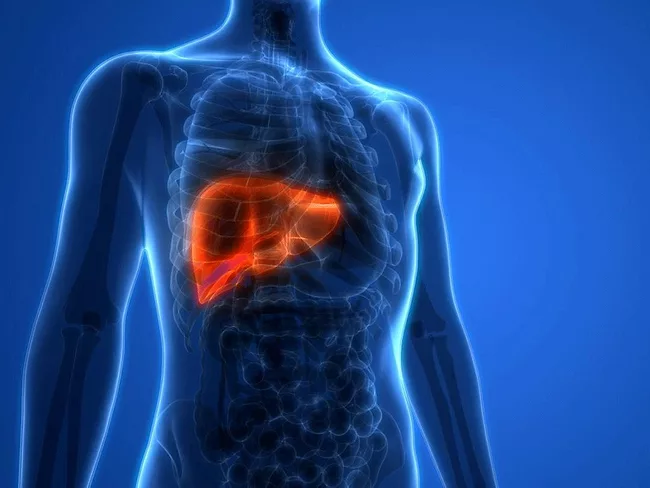
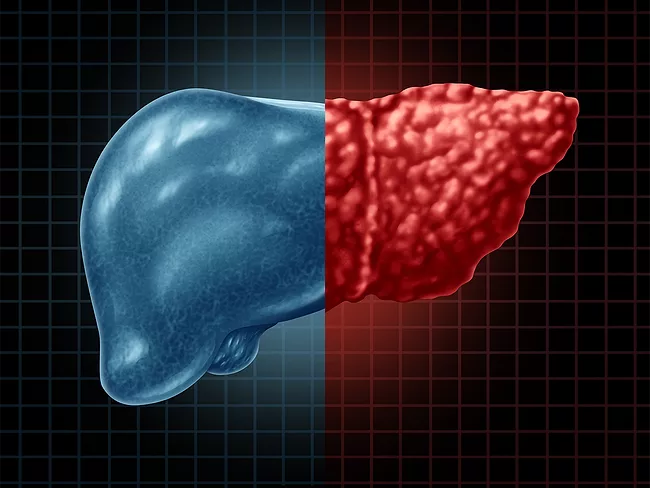
Alterations in PNPLA3, particularly the I148M variant, impair lipid metabolism in hepatocytes, leading to lipid accumulation and driving progression from steatosis to fibrosis and cirrhosis. Targeting this genetic driver may offer a strategy to reduce steatosis and limit disease progression.
Metabolic dysfunction-associated steatohepatitis (MASH) is characterized by lipid accumulation in the liver and inflammation. Sterol O-acyltransferase 2 (SOAT2) is a key enzyme in intestinal absorption and hepatic secretion of cholesterol. PRD Therapeutics Inc. has developed PRD-001, a selective SOAT2 inhibitor currently in phase I trials for MASH.
Iovance Biotherapeutics Inc. has received IND clearance from the FDA for IOV-5001, a next-generation interleukin-12 (IL-12)-tethered tumor-infiltrating lymphocyte (TIL) therapy.
Waypoint Bio has closed a $20 million series A financing round to support its work developing next-generation in vivo CAR T therapeutics for solid tumors using a platform that integrates AI, computer vision and spatial pooled screening.
Voyager Therapeutics Inc. has obtained IND clearance from the FDA for VY-1706, the company’s investigational gene therapy for the treatment of Alzheimer’s disease.
The Coalition for Epidemic Preparedness Innovations (CEPI) has announced funding and support to urgently accelerate development of three investigational vaccines targeting the Bundibugyo Ebola virus.

 RSS
RSS