SMARCA4-deficient cells have shown dependency on SMARCA2 for survival, suggesting SMARCA2 as a promising synthetic lethal target in SMARCA4-deficient cancers. Chinese researchers recently published data on a series of SMARCA2 PROTACs, among which compound [I] exerted good SMARCA2 degradation.
Simcere Zaiming Pharmaceutical Co. Ltd.’s SIM-0613 for injection has received clinical trial approval from China’s National Medical Products Administration (NMPA), enabling initiation of a clinical trial for advanced solid tumors.
Apertura Gene Therapy LLC and the TSC Alliance have established a collaboration to advance gene therapy programs designed to treat tuberous sclerosis complex (TSC).
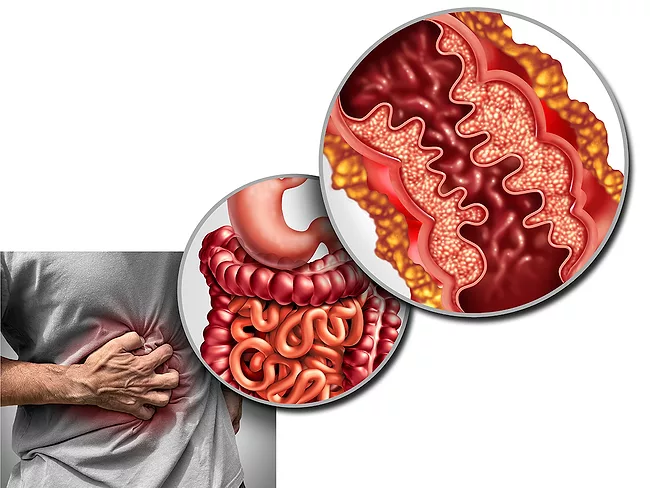
At the recently concluded Digestive Disease Week, researchers from Kymera Therapeutics Inc. presented preclinical efficacy data on KT-579, a selective oral IRF5 degrader, in models of IBD.
Researchers from Alzecure Pharma AB and collaborators reported preclinical efficacy data on ACD-137, a selective negative allosteric TrkA modulator in models of peripheral neuropathy and osteoarthritis.
Signadori Bio SAS has successfully completed its seed extension financing round, bringing to €11.1 million (US$13 million) the total raised to support its development of a next-generation, off-the-shelf, in vivo-engineered, monocyte immunotherapy platform to treat solid tumors.
Elaaj Bio, a wholly owned subsidiary of the nonprofit Loulou Foundation, has entered into a partnership with Viralgen Vector Core SL to advance a gene therapy program for CDKL5 deficiency disorder.
Researchers from Renbio Inc. and Louisiana State University investigated the delivery of plasmid DNA encoding new glucagon-like peptide-1(GLP-1)-based biologics with MYO (Make Your Own) technology as a new therapeutic strategy. This approach ensures the continuous production of GLP-1-based biologics for an extended period, overcoming the need for weekly dosing.
The classic origin story for a biotech startup is that of a scientist who nurtures his work out of a university and to commercial success. For Link Biologics Ltd. and its TSG6-based pipeline, the story is the other way around; it began with now-CEO Reuben Dawkins meeting University of Manchester scientists Tony Day and Caroline Milner while he was on the lookout for “great science that needs help to make it to patients.” The three are now co-founders of Link, which spun out of the University of Manchester in 2021 and has four programs in three indications, all based on TSG-6 biology.
Yuanyi Wise Tech (Ningbo) Ltd. has prepared and tested new tricyclic compounds acting as son of sevenless homolog 1 (SOS1)/GTPase KRAS (G12V mutant) interaction inhibitors potentially useful for the treatment of cancer.
 RSS
RSS