Kimia Therapeutics Inc. has disclosed new ATP-dependent RNA helicase A (DHX9) inhibitors potentially useful for the treatment of cancer, autoimmune and viral infections.
A Convalife Pharmaceuticals Co. Ltd. and Zhejiang Convalife Pharmaceutical Co. Ltd. patent describes new complement factor B (CFB) inhibitors potentially useful for the treatment of IgA nephropathy, paroxysmal nocturnal hemoglobinuria, atypical hemolytic uremic syndrome, age-related macular degeneration, cardiovascular disorder and cancer.
Shanghai Meiyue Biotech Development Co. Ltd. has synthesized new benzopyrimidine compounds acting as histone-lysine N-methyltransferase EHMT2 (H3-K9-HMTase 3; G9a) inhibitors potentially useful for the treatment of cancer, autoimmune disease, metabolic diseases, gastrointestinal and inflammatory disorders.
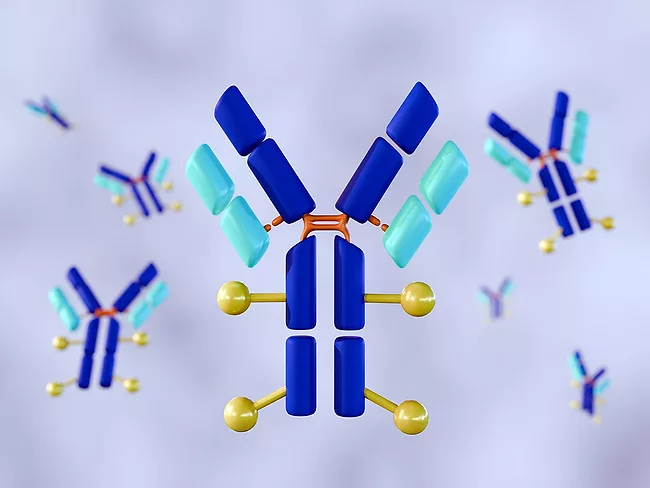
Iksuda Therapeutics Ltd. and UCL Business Ltd. have prepared new antibody-drug conjugates comprising antibodies targeting B7 homolog 3 (B7-H3, CD276) covalently linked to cytotoxic drug, designed for potential use in the treatment of cancer.
Antibody-drug conjugates (ADCs) with a dual payload, which deliver two distinct cytotoxic agents via a single antibody, are emerging therapeutics developed to address the limitations of classic ADCs. Primelink Biotherapeutics (Shenzhen) Co. Ltd. recently presented data for their dual-payload ADCs, highlighting PLB-015, which carries a TOP1 inhibitor and an ATR inhibitor with an anti-HER2 antibody and is designed to inhibit the DNA damage response activated by cancer cells when harmed.
Researchers at the School of Pharmacy and Biomolecular Sciences from the Royal College of Surgeons in Ireland and collaborating institutions have detailed the design, synthesis and biological evaluation of a new series of triazine-based multitarget inhibitors aimed at dual inhibition of PI3K and HDAC for breast cancer therapy.
Researchers from the Cleveland Clinic identified a new mechanism of AIC involving upregulated TOP2B expression and directly impacting cardiomyocyte function without the formation of TOP2B-anthracycline-DNA complexes in cardiomyocytes.
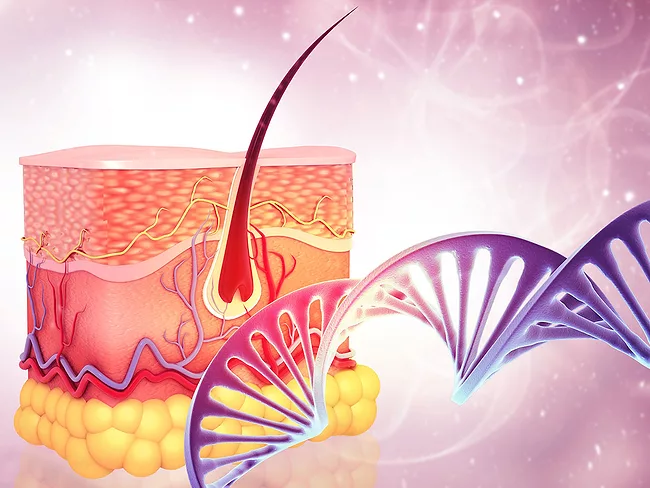
Netherton syndrome is a rare disease caused by loss of activity of the lympho-epithelial Kazal-type-related inhibitor (LEKTI) protein, which in turn is caused by mutations in its encoding gene, SPINK5. This deficiency leads to the triggering of the kallikrein (KLK) signaling cascade resulting in skin barrier dysfunction, inflammation and atopy. At the recent Society for Investigative Dermatology meeting, Biocryst Pharmaceuticals Inc. presented early data on BCX-17725, a KLK5/KLK14 inhibitor fusion protein developed to restore LEKTI functioning in patients with Netherton syndrome.
China’s National Medical Products Administration (NMPA) has granted clinical trial clearance to SYH-2095 tablets, a novel lysine acetyltransferase 6 (KAT6) inhibitor codeveloped by CSPC Pharmaceutical Group Ltd. and Hangzhou Innogate Pharma Co. Ltd. for the treatment of advanced malignant tumors. SYH-2095 received IND clearance in the U.S. last month.
Korro Bio Inc. has announced the selection of KRRO-111 as a development candidate for the treatment of alpha-1 antitrypsin deficiency (AATD), a genetic disorder most commonly caused by a single missense mutation in SERPINA1.

 RSS
RSS