Enveric Biosciences Inc. has released promising preclinical results for its lead neuroplastogen drug candidate, EB-003, in the open space forced swim test, a preclinical mouse model of severe depression and despair. In the first study, an oral dose of EB-003 at 30 mg/kg significantly reduced depression-like behavior within 30 minutes of administration.
Bardet-Biedl syndrome (BBS) is a group of rare autosomal recessive ciliopathies characterized by dysfunction of primary cilia, which affects multiple organ systems and leads to early-onset obesity, progressive retinal degeneration resulting in vision loss or blindness, and renal abnormalities that may progress to renal failure. Mutations in the BBS10 gene are the second most prevalent cause of BBS, accounting for over 20% of cases.
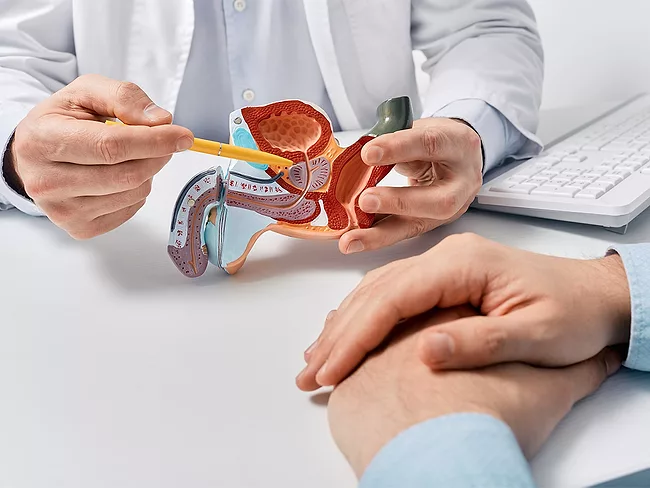
Archeus Technologies Inc. and the Wisconsin Alumni Research Foundation (WARF) have entered into a strategic collaboration to advance ART-101, a next-generation prostate-specific membrane antigen (PSMA)-targeting small molecule, into clinical development for prostate cancer.
Proteinqure Inc. has closed an $11 million series A financing round to support the initiation of the company’s first clinical trial for PQ-203, a first-in-class peptide-drug conjugate for triple-negative breast cancer (TNBC). The funds will also be used to advance additional pipeline programs in neurology and nephrology.
Researchers have identified KpsM as a virulence factor in Escherichia coli that was responsible for liver damage in alcohol-associated hepatitis (AH). A small-molecule inhibitor of KpsM reduced liver damage in animal models of AH.
University of Health Sciences and Pharmacy in St. Louis has described estrogen-related receptor α (ERR) modulators reported to be useful for the treatment of diabetes, amyotrophic lateral sclerosis, heart failure, breast cancer, renal disorders, metabolic diseases, Alzheimer’s disease and Parkinson’s disease, among others.
Monte Rosa Therapeutics Inc. has divulged molecular glues as cyclin-dependent kinase 2 (CDK2) degradation inducers reported to be useful for the treatment of cancer and amyloidosis.
Mayo Foundation for Medical Education and Research (MFMER) and University of Florida have identified atrial natriuretic peptide B (NPR2; guanylate cyclase B) receptor positive allosteric modulators (PAMs) reported to be useful for the treatment of fibrosis.
 RSS
RSS