Shenzhen Zhongge Biotechnology Co. Ltd. has synthesized serine/threonine-protein kinase ULK1 inhibitors reported to be useful for the treatment of cancer, lymphangioleiomyomatosis and tuberous sclerosis.
Kinoteck Therapeutics Co. Ltd. has disclosed Werner syndrome ATP-dependent helicase (WRN; RECQ3; RECQL2) inhibitors reported to be useful for the treatment of cancer.
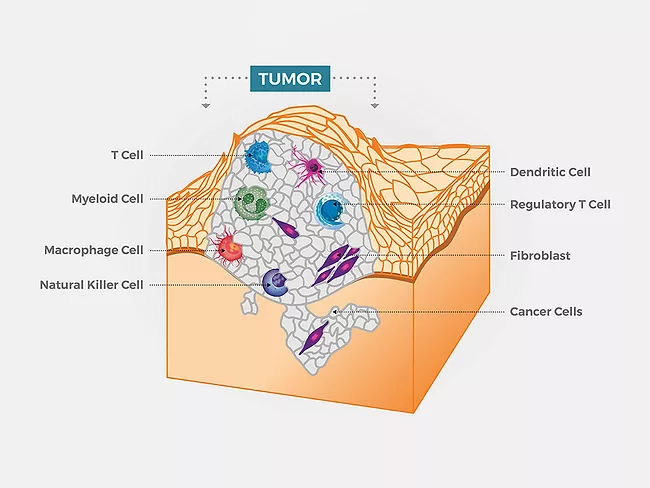
Diffuse intrinsic pontine gliomas (DIPGs) are aggressive pediatric brain tumors found in the pontine region of the brainstem. Due to their high intratumoral genetic and cellular heterogeneity and highly invasive phenotype, no curative strategies are currently available. Therefore, understanding how glioma cells interact with the tumor microenvironment (TME) to promote pathogenesis is crucial to developing novel therapeutic approaches.
Researchers from Shanghai Jiao Tong University and affiliated organizations have published their findings from studies that aimed to investigate the pathogenesis of idiopathic pulmonary fibrosis (IPF) and identify novel regulators of the disease.
Nephronophthisis (NPH) is a recessive cystic kidney disease responsible for 10% to 20% of pediatric end-stage renal disease cases. NPHP1 (nephrocystin 1) is the most frequently implicated among over 20 known causative genes. However, the pathogenesis of NPH remains unclear, and no effective therapies are available.
Smsbiotech Inc. has gained clearance in Australia to begin a phase I trial of its small mobile stem (SMS) cell therapy for chronic obstructive pulmonary disease (COPD).
Sarcopenia is an age-related condition in which muscle mass and strength decrease, leading to reduced overall physical performance. As fast-twitch muscle fibers are more impacted by age-related decline, strategies aimed at enhancing the regeneration and functionality of these fibers are essential to prevent the progression of sarcopenia.
Atherosclerosis is a chronic inflammatory condition and a known risk for the development of cardiovascular diseases. In animal models of atherosclerosis, macrophage pyroptosis is linked to the development and instability of atherosclerotic plaques, where gasdermin-D (GSDMD) plays a crucial role.
Hoth Therapeutics Inc. has released preclinical findings demonstrating the efficacy of HT-KIT, a novel targeted therapy for gastrointestinal stromal tumors (GIST).

 RSS
RSS