Ignite Biomedical Inc. and Liquid Biosciences have announced the discovery of biomarkers to diagnose substance use disorder (SUD). The set of biomarkers includes some that have not previously been associated with addiction and spans all 6 SUDs (opioid, cocaine, methamphetamine, alcohol, nicotine and cannabis use disorders).
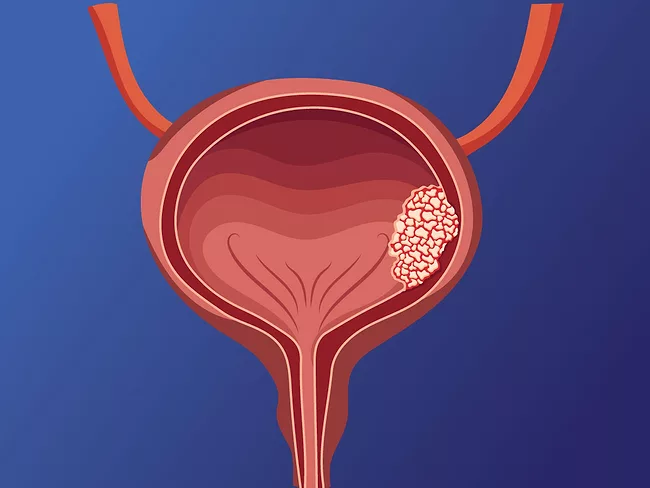
Evolveimmune Therapeutics Inc. has announced a translational research collaboration with Memorial Sloan Kettering Cancer Center (MSK) to investigate the expression of a new tumor target – UL binding protein 2 (ULBP2) – in muscle-invasive bladder cancer.
Transferrin receptor (TfR)-mediated transcytosis is a receptor-mediated mechanism for drug delivery to the brain or other tissues, where, after the antibody binds to transferrin, the therapeutic agent is internalized and released into the brain.
The current treatment strategies for neurodegenerative diseases focus on targeting Aβ in Alzheimer’s disease (AD), α-synuclein aggregates in Parkinson’s disease (PD) and anti-tau therapies, which are primarily used in AD but are also being explored for PD. At the 2025 International Conference of Alzheimer’s & Parkinson’s Disease and Related Neurological Disorders, Aditya Iyer, senior RD scientist from Amyl Therapeutics Srl, presented data on an option which could potentially serve as a pan-amyloid therapeutic.
Impact Therapeutics Inc. has synthesized poly(ADP-ribose) polymerase 1 (PARP-1; ARTD1) inhibitors reported to be useful for the treatment of neurologic cancer.
Newave Pharmaceutical LLC has disclosed GTPase KRAS (mutant) inhibitors reported to be useful for the treatment of cancer, autoimmune disease and inflammatory disorders.
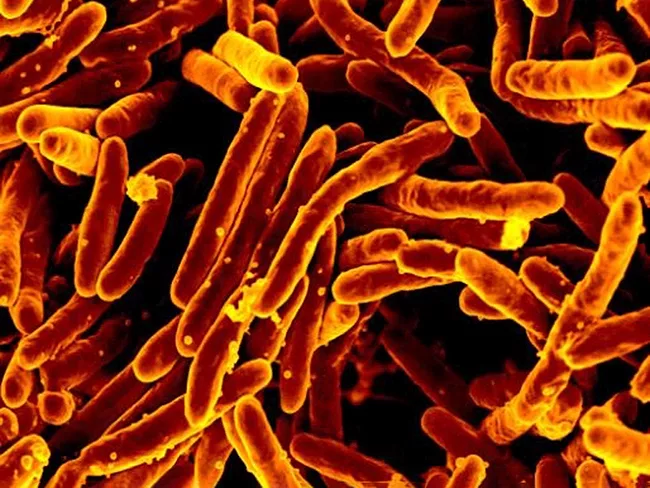
New vaccines to control tuberculosis (TB) are urgently needed to fight the global burden of the disease, the increase of resistant strains and the lack of effective vaccines to prevent latent TB infections.

 RSS
RSS