Kinase inhibitors have shown success in disease areas such as oncology, but their application in neurodegenerative diseases is still limited. This is mainly due to several challenges, such as the complexity of kinase networks, limited blood-brain barrier permeability and the lack of biomarkers.
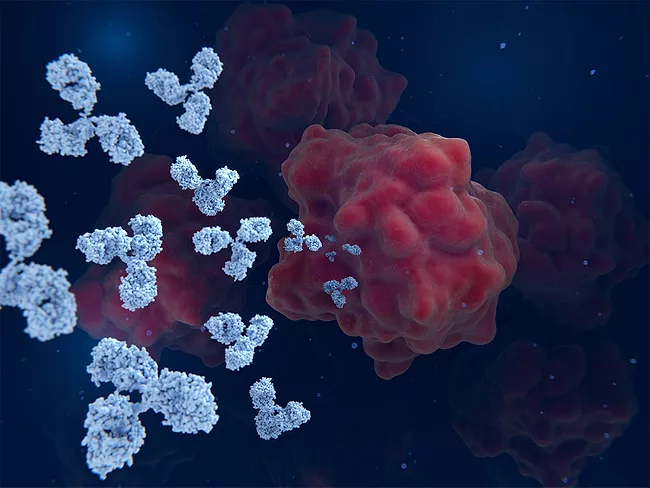
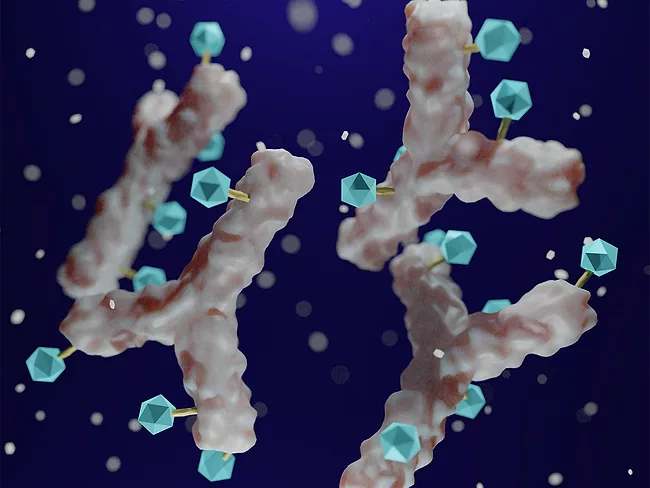
Researchers from Mabqi SAS presented the preclinical profile of MQI-181, an antibody-drug conjugate (ADC) composed of a human anti-CD30 antibody (18D03) linked to the cytotoxic payload monomethyl auristatin E (MMAE) via a cleavable MC-VC-PAB linker, with a drug-antibody ratio of 4.
Atopic dermatitis (AD) is a chronic inflammatory skin disorder associated with increased oxidative stress. In this context, pharmacological activation of the Keap1-Nrf2 pathway, a key regulator of antioxidant and cytoprotective gene expression, has emerged as a promising therapeutic strategy to re-establish redox homeostasis and reduce inflammation in AD. Researchers from the Korea Institute of Science and Technology reported the design and preclinical characterization of a novel Nrf2 activator in models of AD.
In previous work, researchers from the University of Georgia developed liposomes loaded with antifungal drugs and coated with the carbohydrate recognition domains of mouse dectin-1 and/or dectin-2, called Dectisomes. The murine Dectisomes efficiently bound and killed pathogenic fungi in vitro and in mouse disease models. In a new study, the team aimed to explore how to potentially move Dectisomes into the clinic with human dectin orthologues.
Canwell Pharma Inc. has obtained IND approval from the FDA for CAN-016, a novel antibody-drug conjugate (ADC). The company will initiate a phase I study in patients with HER2-expressing solid tumors who have experienced disease progression following prior ADC therapies.
Akari Therapeutics plc has established a strategic partnership with Wuxi XDC Cayman Inc. to accelerate the development of Akari’s novel PH1 payload. Akari’s lead program, AKTX-101, is initially targeting metastatic urothelial cancer.
Just over a month after emerging from stealth and disclosing a $150 million series A, Korsana Biosciences Inc. is making the leap to the public market via a merger with Cyclerion Therapeutics Inc. The agreement, which is backed by a $370 million private placement from Korsana’s investors, solidly positions the newly merged company as it heads toward the clinic with KRSA-028, a next-generation shuttled antibody targeting amyloid beta for the treatment of Alzheimer’s disease, and builds out a pipeline of neurodegenerative disease candidates.
Amgen Inc. has patented new GTPase KRAS (mutant) inhibitors, particularly, GTPase KRAS (G12D mutant) inhibitors that are potentially useful for the treatment of cancer.
Ocean University of China has discovered new androgen receptor N-terminal domain (AR-NTD) inhibitors reported to be useful for the treatment of prostate cancer.

 RSS
RSS