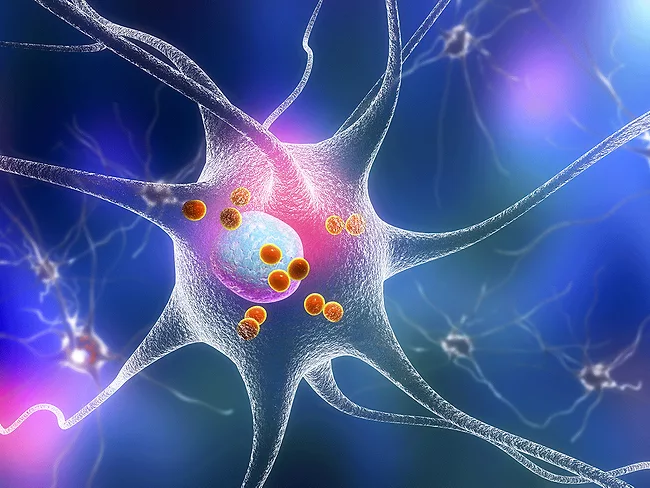
Researchers from Coave Therapeutics SA presented a novel conjugated AAV (coAAV)-GBA1 candidate for the treatment of patients suffering from PD related to GBA1 mutations.
Sparx Biopharmaceutical Corp. has received FDA approval of its IND application for SPX-303, a first-in-class anti-LILRB2/PD-L1 bispecific antibody drug candidate.
Researchers from Biontech SE and Genmab BV presented the discovery and preclinical evaluation of a novel Duobody-EpCAMx4-1BB (BNT314/GEN1059), a novel Fc-inert immunomodulatory bispecific antibody (bsAb) designed to boost antitumor immune responses through EpCAM-dependent 4-1BB agonistic activity.
Viridian Therapeutics Inc. has disclosed a preclinical portfolio of neonatal Fc receptor (FcRn) inhibitors designed for next-generation treatment of antibody-mediated autoimmune diseases.
Researchers from Centessa Pharmaceuticals plc presented the preclinical characterization of ORX-750, a novel selective orexin receptor 2 (OX2R) agonist aimed to be used for the treatment of narcolepsy.
Researchers from Shanghai Henlius Biotech Inc. presented the discovery and preclinical characterization of HLX-42, a next-generation EGFR-targeting antibody-drug conjugate (ADC) being developed for the treatment of cancer.
At the IDWeek 2023 infectious disease conference, Rachelle Koch, a medical student from the University of Texas Southwestern Medical Center, presented the work done in David Greenberg’s Lab on a new strategy to tackle Pseudomonas aeruginosa infections using D-peptide-conjugated phosphorodiamidate morpholino oligomers (D-PPMOs). P. aeruginosa is an opportunistic pathogen showing a multidrug-resistance (MDR) pattern that is at the root of significant morbidity and mortality, especially in immunocompromised patients with severe chronic lung diseases such as cystic fibrosis.
Additional early-stage research and drug discovery news in brief, from: Aviadobio, Boundless Bio, Maia Biotechnology, Meiragtx, Prime Medicine, Revelation Biosciences, Seraxis.
S-Adenosylmethionine synthase isoform type-2 (Mat2A) inhibitors have been described in a Shouyao Holdings (Beijing) Co. Ltd. patent to be useful for the treatment of cancer.
A team at Berrybio (Shanghai) Ltd. has prepared proteolysis targeting chimera (PROTAC) compounds comprising an E3 ubiquitin ligase binding moiety covalently linked to focal adhesion kinase (FAK)-targeting moiety through a linker.

 RSS
RSS