Wigen Biomedicine Technology (Shanghai) Co. Ltd. has synthesized compounds acting as poly(ADP-ribose) polymerase (PARP; ARTD) inhibitors, preferably PARP-1, reported to be useful for the treatment of cancer.
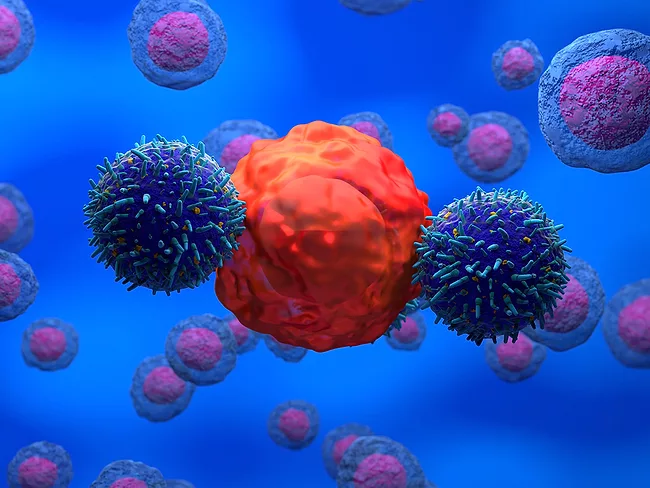
Verismo Therapeutics Inc. has entered into a licensing agreement with the University of Pennsylvania for worldwide exclusive rights for two newly discovered anti-CD19 binders, the result of a sponsored research agreement between the two parties.
Thymidylate synthase (TS) is an enzyme essential for DNA synthesis and cell proliferation and is a potential oncoprotein itself. Consequently, TS is considered a molecular target for malignant tumors.
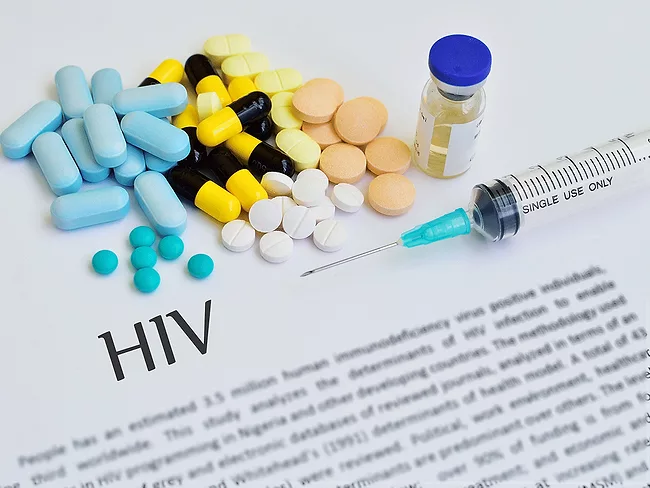
Exavir Therapeutics Inc. has received a US$3 million award from the National Institute of Allergy and Infectious Diseases (NIAID), a division of the National Institutes of Health, to support the development of XVIR-110.
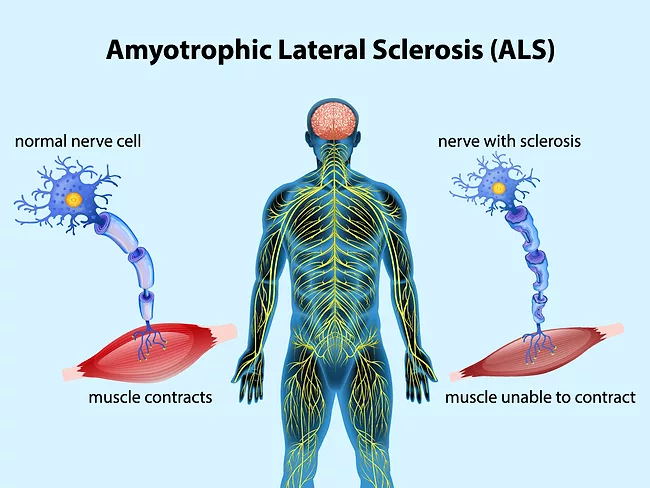
Akava Therapeutics Inc. has announced FDA clearance of its IND application for AKV-9 (formerly NU-9) for the treatment of amyotrophic lateral sclerosis (ALS). The company is planning a first-in-human phase I study in healthy subjects.
Most of the West African population is at risk of infection with Lassa virus (LASV), which leads to Lassa fever that causes thousands of deaths every...

 RSS
RSS