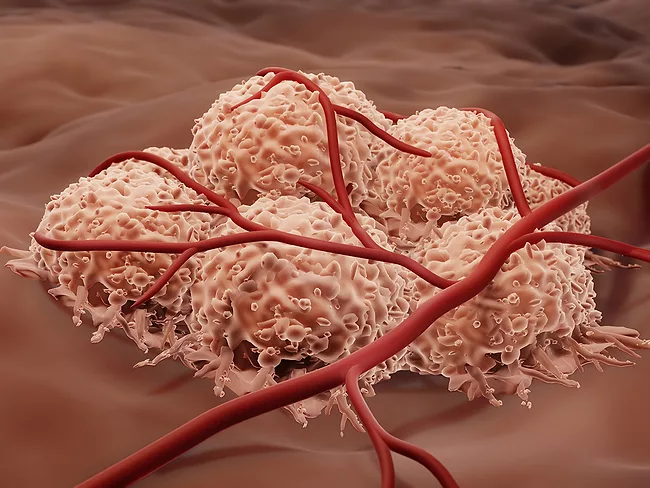
Ideaya Biosciences Inc. has announced FDA clearance of an IND for a GSK-sponsored phase I/II trial of GSK-101 (IDE-705), a small-molecule inhibitor of Polϴ helicase, in combination with GSK's PARP inhibitor niraparib tosylate monohydrate for the treatment of tumors with BRCA or other homologous recombination mutations or homologous recombination deficiency.
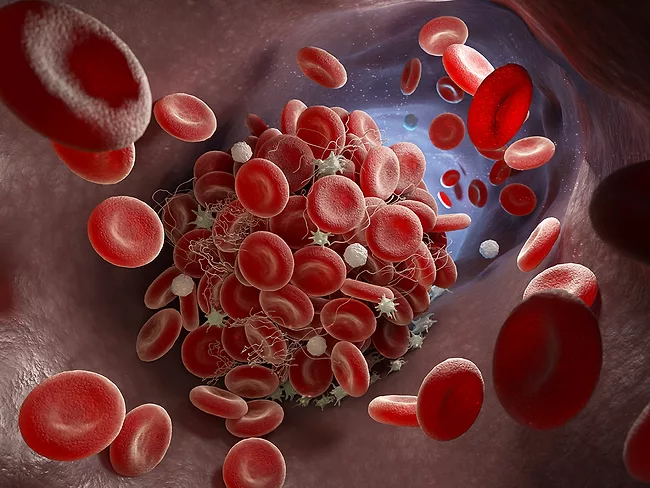
Protease form factor Xia (FXIa) is a therapeutic target for thrombosis prevention due to its well-known contribution to VTE and ischemic stroke in humans. Researchers from Janssen Pharmaceutica NV presented an antithrombotic target FXIa inhibitor obtained through a non-classical interactions strategy to improve the pharmacokinetic and pharmacological activity for the treatment of thrombosis. In the series, the potency was increased by using water-mediated hydrogen bonds to reduce polar hydrogen bond donors and using methyl to displace high-energy waters.
Mysthera Therapeutics AG has launched to develop first-in-class, oral therapeutics to treat complex autoimmune diseases. Seed capital will be used to advance its portfolio of preclinical stage, pan-PIM kinase inhibitors to modulate multi-lineage immune cell functions.
Phenylketonuria (PKU) is an inborn error of metabolism caused by heritable phenylalanine hydroxylase gene mutations that result in decreased metabolism of phenylalanine (Phe) causing brain damage. The most severe phenotype termed PKU occurs when untreated individuals achieve plasma Phe concentrations of >1200 microM/L, which are neurotoxic.
A study from Weill Cornell Medicine and The Jackson Laboratory has described the epigenetic mark SARS-CoV-2 left on immune system stem cells in the most severe cases of COVID-19 early in the pandemic, before the development of vaccines. In their work published in Cell on Aug. 18, 2023, the researchers presented a new methodology to analyze the epigenetic changes in monocytes and circulating hematopoietic stem and progenitor cells (HSPCs) that give rise to monocytes. That allowed corresponding author Steven Josefowicz and his colleagues to see if there were already changes induced by COVID-19 before HSPCs differentiated into monocytes.
Gasherbrum Bio Inc. has described glucagon-like peptide 1 receptor (GLP1R) agonists reported to be useful for the treatment of type 2 diabetes, dyslipidemia, hyperglycemia, hypertension, obesity, stroke, myocardial infarction and gout, among others.
Redx Pharma plc has identified Rho kinase 1 (ROCK 1; p160-ROCK) and/or rho kinase 2 (ROCK 2; ROCKα) inhibitors reported to be useful for the treatment of cancer, fibrosis, autoimmune, inflammatory and neurological disorders.
Silexon Intelligent Technology Co. Ltd. has synthesized heterocyclic compounds acting as mitogen-activated protein kinase kinase kinase kinase 1 (MAP4K1; HPK1; MEKKK1) inhibitors reported to be useful for the treatment of cancer and viral infections.
Shanghai Haihe Biopharma Co. Ltd. has disclosed phosphonic acid derivatives and their prodrugs reported to be useful for the treatment of cancer and infections.
 RSS
RSS